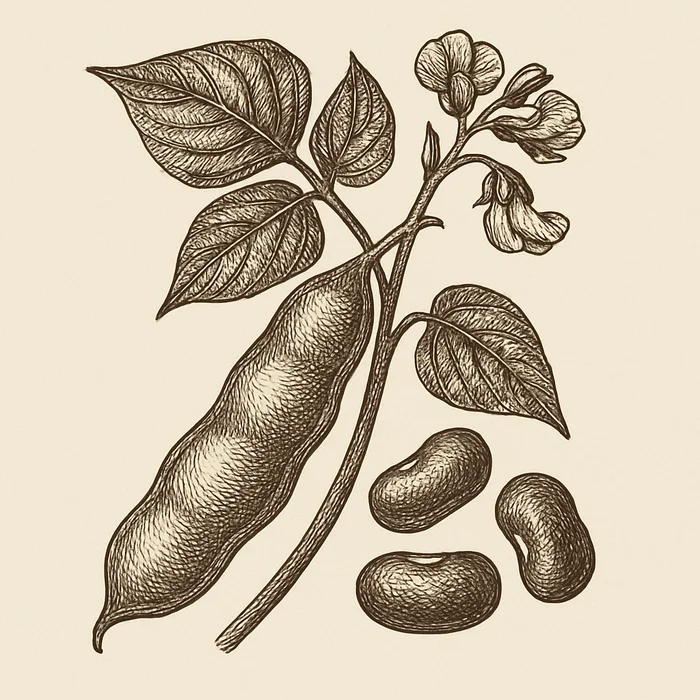
Kidney Beans
Source of folate (46 mcg per ½ cup canned, 12% DV), iron (2 mg per ½ cup canned, 11% DV), and magnesium (35 mg per ½ cup canned, 9% DV).
Why It Matters for Longevity
Kidney beans provide plant protein, dietary fiber, resistant starch, folate, iron, and magnesium -- a nutrient profile that directly supports the key longevity mechanisms of metabolic health, gut microbiome diversity, and cardiovascular protection.
Legume consumption is the single most consistent dietary predictor of longevity across five Blue Zone centenarian populations; each 20 g/day increase in legume intake is associated with a 7–8% reduction in mortality risk, establishing legumes including kidney beans as a cornerstone of longevity-oriented eating (Afshin et al., 2014, Am J Clin Nutr).
Regular legume consumption is inversely associated with type 2 diabetes incidence in prospective cohort studies; kidney beans and lentils specifically show favorable glycemic index effects through their resistant starch and soluble fiber content, which slow glucose absorption and improve postprandial insulin response (Becerra-Tomás et al., 2018, Clin Nutr).
In the PREDIMED cohort, legume consumption was associated with reduced all-cause, cardiovascular, and cancer mortality in a dose-dependent relationship, with the highest tertile of legume intake showing a 23% lower risk of all-cause mortality (Papandreou et al., 2019, Clin Nutr).
How to Use It
Pairs well with olive oil, lemon, lettuce. Use as a legume in daily meals according to the Longevity Diet guidelines. Soak dried beans for 8–12 hours before cooking to reduce phytates and improve mineral bioavailability. Always squeeze lemon juice over bean dishes to maximize iron absorption.
What to Pair It With
| Ingredient | Why | Tradition |
|---|---|---|
| Lemon | Vitamin C increases non-heme iron absorption from beans 3–6 fold | The Longevity Diet |
| Olive oil | Enhances satiety and fat-soluble nutrient absorption; foundational flavor pairing | The Longevity Diet |
| Lettuce | Classic longevity salad pairing; complementary textures and nutrients | The Longevity Diet |
| Rosemary | Traditional herb pairing in Mediterranean bean preparations | Mediterranean |
| Tomatoes | Vitamin C in tomatoes enhances iron absorption; lycopene from tomatoes is better absorbed with beans' fiber | Mediterranean |
Flavor Profile
Earthy, slightly nutty, mild, creamy when cooked. Aroma is neutral with a subtle earthy legume note. Texture is firm-tender with a mealy interior; skin holds shape well when cooked correctly.
The Science
- Afshin et al., 2014, Am J Clin Nutr: Legume consumption is the single most consistent dietary predictor of longevity in Blue Zone centenarian populations; each 20 g/day increase associated with 7–8% lower mortality risk.
- Becerra-Tomás et al., 2018, Clin Nutr: Legume consumption inversely associated with type 2 diabetes incidence in the PREDIMED-Plus cohort; kidney beans and lentils show favorable glycemic index effects through resistant starch.
- Papandreou et al., 2019, Clin Nutr: In PREDIMED, highest tertile of legume consumption associated with 23% lower all-cause mortality and significant reductions in cardiovascular and cancer mortality.
References
- Afshin A, Micha R, Khatibzadeh S, Mozaffarian D. Consumption of nuts and legumes and risk of incident ischemic heart disease, stroke, and diabetes: a systematic review and meta-analysis. Am J Clin Nutr. 2014;100(1):278-288. PMID: 24871476. doi:10.3945/ajcn.113.076901
- Becerra-Tomás N, Díaz-López A, Rosique-Esteban N, et al. Legume consumption is inversely associated with type 2 diabetes incidence in adults: A prospective assessment from the PREDIMED-Plus study. Clin Nutr. 2018;37(3):906-913. PMID: 28392166. doi:10.1016/j.clnu.2017.03.015
- Papandreou C, Becerra-Tomás N, Bulló M, et al. Legume consumption and risk of all-cause, cardiovascular, and cancer mortality in the PREDIMED study. Clin Nutr. 2019;38(1):348-356. PMID: 29352655. doi:10.1016/j.clnu.2017.12.019
Key Nutrients
| Nutrient | Per 100g | Notes |
|---|---|---|
| Dietary fiber | ~7.4 g (cooked) | High in both soluble fiber (cholesterol-lowering) and resistant starch (prebiotic); fermented in colon to produce butyrate |
| Plant protein | ~8.7 g (cooked) | Lower IGF-1 stimulation than animal protein; digestibility enhanced by cooking and soaking |
| Folate | ~33 mcg (cooked) | Folate is heat-sensitive; canned beans retain approximately 60–70% of original folate content |
| Iron (non-heme) | ~2.9 mg (cooked) | Absorption enhanced by vitamin C co-ingestion; inhibited by phytates in same meal |
| Magnesium | ~45 mg (cooked) | Bioavailability ~30–40%; soaking reduces phytate inhibition |