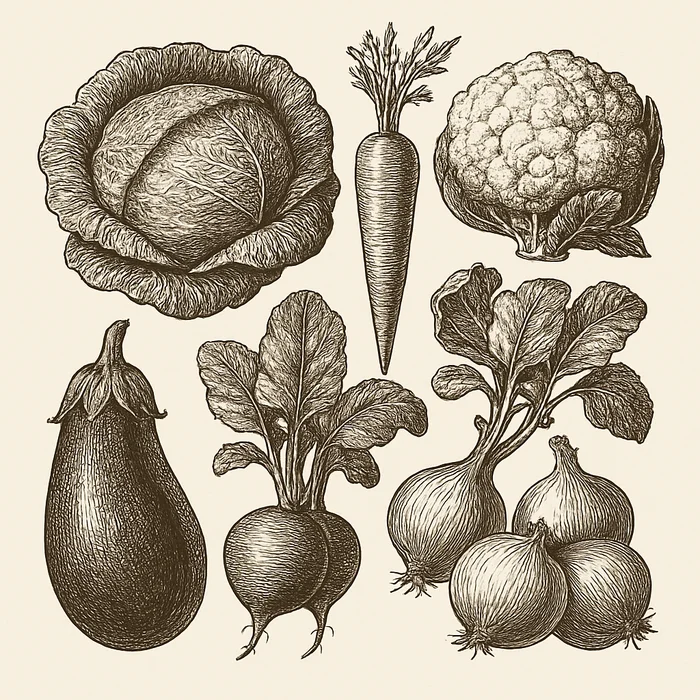
Vegetables (General)
Vegetables at every meal. That is the single most supported dietary recommendation for reducing chronic disease and extending healthspan.
Why It Matters for Longevity
A meta-analysis of 95 studies (Aune et al., 2017, PMID 28338764) found higher vegetable intake reduces cardiovascular disease, cancer, and all-cause mortality -- with an estimated 7.8 million premature deaths worldwide attributable to insufficient intake. Each daily portion cuts all-cause mortality by 4%, plateauing around 5 servings per day.
The mechanism is the fiber-microbiome axis: diverse vegetable fibers feed different gut bacteria, which produce protective short-chain fatty acids. No single vegetable replicates the effect of variety.
Deeper Dives
- Green Vegetables -- lowest glycemic impact, strongest cardiovascular association
- Tomatoes -- lycopene and prostate health
- Sweet Potatoes -- beta-carotene champions
- Pumpkin -- multi-carotenoid coverage
The Science
- Aune et al., 2017, Int J Epidemiol: Meta-analysis of 95 prospective studies (142 publications): higher vegetable intake dose-dependently reduces cardiovascular disease, cancer, and all-cause mortality; each 100g/day increment associated with 9% lower all-cause mortality.
References
- Aune D, Giovannucci E, Boffetta P, et al. Fruit and vegetable intake and the risk of cardiovascular disease, total cancer and all-cause mortality — a systematic review and dose-response meta-analysis of prospective studies. Int J Epidemiol. 2017;46(3):1029-1056. PMID: 28338764. doi:10.1093/ije/dyw319
How to Use It
Eat a mix of raw and cooked. Cooking breaks cell walls and increases bioavailability of carotenoids; raw preserves vitamin C. Dress with olive oil to absorb fat-soluble nutrients. Aim for diversity over volume — different colors mean different phytochemicals.