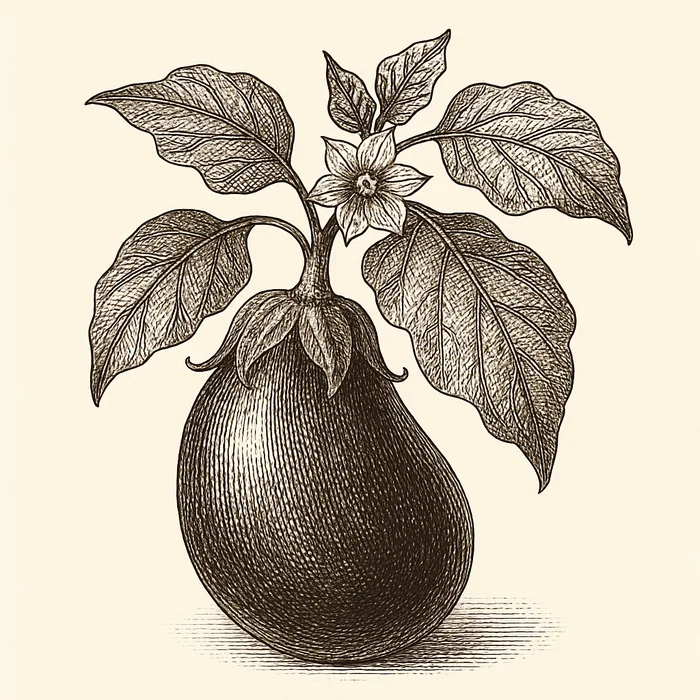
Eggplant
Vegetable used in two Longevity Diet dishes: grilled eggplant with feta and tomatoes, and Ligurian minestrone. Recommended serving: 250 g sliced and grilled, or 1 medium in soup.
Why It Matters for Longevity
Eggplant is a nightshade vegetable providing dietary fiber, antioxidant polyphenols (nasunin, chlorogenic acid), and a low-calorie, satiating base for longevity-aligned Mediterranean dishes. Most of the direct human evidence remains thin — the research base relies heavily on cell and animal models — but the mechanistic picture is detailed enough to understand what these compounds do and at what level of certainty.
Nasunin: Iron Chelation and Membrane Protection
Nasunin is a delphinidin-3-(p-coumaroylrutinoside)-5-glucoside — the anthocyanin that gives eggplant skin its purple color. Its primary protective mechanism is iron chelation rather than direct radical scavenging. Noda et al. demonstrated that nasunin chelates ferrous iron (Fe²⁺) and thereby suppresses the Fenton reaction, the process by which Fe²⁺ and hydrogen peroxide combine to generate hydroxyl radicals. Hydroxyl radicals are among the most reactive species in biology — they attack polyunsaturated fatty acids in cell membranes, initiating lipid peroxidation chain reactions that damage neuronal and cardiovascular tissue. In ESR spectrometry experiments, nasunin showed superoxide scavenging equivalent to 143 ± 8 SOD units/mg and, at concentrations below 50 µM, protected rat brain homogenate from H₂O₂-induced lipid peroxidation, measured as reduction in malondialdehyde formation (Noda et al., 2000, Toxicology). This iron-chelating mechanism is distinct from simple DPPH or ORAC antioxidant assays; it addresses a pro-oxidant pathway particularly active in aging tissue where iron accumulates.
Komatsu et al. confirmed a complementary mechanism: nasunin suppresses LPS-induced NF-κB and AP-1 transcription factor activation in macrophages, reducing production of nitric oxide, TNF-α, and other pro-inflammatory mediators — the same inflammatory pathways linked to accelerated vascular and neurological aging (Komatsu et al., 2017, Biosci Biotechnol Biochem). Both mechanisms depend on the skin being intact: nasunin is concentrated in the purple pigment and is largely absent in peeled eggplant.
In human colon cell lines (HT-29 and HCT-116), nasunin and its delphinidin derivatives protected cells from DNA damage in a dose-dependent manner, though the same study found that nasunin's glycosylation pattern made it less potent at reactive oxygen species reduction than simpler delphinidin glucosides (Jing et al., 2015, Food Chem). The cell line evidence has obvious limits, but it adds a data point on colon epithelium that cannot be obtained through dietary epidemiology.
Chlorogenic Acid and Glucose Homeostasis
Eggplant flesh contains roughly 30–60 mg chlorogenic acid per 100 g fresh weight, concentrated mainly around the seeds. Chlorogenic acid inhibits alpha-glucosidase and glucose transporter activity, mechanisms that slow intestinal glucose absorption and attenuate postprandial glucose spikes. A 2021 narrative review of eggplant's effects on metabolic syndrome components found consistent support for these alpha-amylase and alpha-glucosidase inhibition effects across cell and animal studies; the same review also identified ACE-inhibitory activity (relevant to blood pressure) and antihyperlipidemic effects, though human trial data remained sparse (Yarmohammadi et al., 2021, Iran J Basic Med Sci).
Human evidence for chlorogenic acid on postprandial glycemia does exist, though it comes from studies using chlorogenic acid alongside green tea catechins — not eggplant as a food source. A randomized, double-blind, placebo-controlled crossover trial in 11 healthy men found that three weeks of combined intake (620 mg catechins + 373 mg chlorogenic acid/day) significantly improved postprandial glucose control and increased GLP-1 response while enhancing insulin sensitivity versus placebo (Yanagimoto et al., 2022, Nutrients). A follow-up acute dose-response RCT (n = 18 per arm) identified 150 mg chlorogenic acid as the minimum effective dose when combined with 540 mg catechins (Yanagimoto et al., 2023, Nutrients). Both trials were conducted by Kao Corporation employees and should be interpreted accordingly. Crucially, a 250 g serving of raw eggplant provides only ~75–150 mg chlorogenic acid — within the range tested, but the polyphenol mix in a meal is not the same as a pharmaceutical extract, and there are no standalone RCTs isolating eggplant or eggplant-derived chlorogenic acid in humans.
The practical implication is modest but real: eggplant eaten as part of a meal, rather than alone, contributes chlorogenic acid that may slow glucose absorption via enzyme inhibition. This fits well with its role in mixed vegetable dishes like minestrone.
Dietary Fiber and Gut Health
Per 100 g, eggplant provides approximately 3 g of dietary fiber — a mix of soluble pectin (which forms a gel in the intestinal lumen, slowing glucose and cholesterol absorption) and insoluble cellulose and hemicellulose (which bulk stool and reduce gut transit time). Soluble fiber is fermented by colonic bacteria into short-chain fatty acids including butyrate, propionate, and acetate. Butyrate is the primary fuel for colonocytes, maintains gut barrier integrity, and suppresses NF-κB-driven inflammation in the colon wall. There is no published human study specifically examining eggplant intake and gut microbiome composition, so claims about eggplant being a prebiotic food rest on the general fiber fermentation literature rather than eggplant-specific evidence. Eggplant does contribute meaningfully to total daily fiber, but it is not a concentrated fiber source — to reach the 25–38 g/day associated with reduced cardiovascular and colorectal cancer risk, it needs to sit alongside legumes, whole grains, and other vegetables.
The Mediterranean Pattern Context
No single food makes a longevity diet, and eggplant is no exception. Its value in the Longevity Diet is as much about what it replaces (meat, high-calorie foods) as what it delivers. In the traditional Ligurian and broader Mediterranean dietary pattern, eggplant is eaten in combination with olive oil, tomatoes, garlic, and herbs — a food matrix that increases the bioavailability of fat-soluble polyphenols. Nasunin is lipophilic; its absorption improves when eaten with fat. Extra-virgin olive oil provides the fat matrix, and its own polyphenols (oleocanthal, hydroxytyrosol) have complementary anti-inflammatory mechanisms. The compound effects of the whole meal pattern exceed what any individual food analysis can capture, which is why the Mediterranean diet's cardiovascular evidence is stronger at the pattern level than for any single component.
An ex vivo study using an isolated perfused rat heart model found that 30 days of dietary supplementation with freeze-dried raw or grilled eggplant reduced myocardial infarct size and cardiomyocyte apoptosis following ischemia-reperfusion — grilled eggplant showed higher nasunin content than raw but no additional cardioprotective benefit (Das et al., 2011, Food Funct). This is animal data with a specific endpoint, not a human cardiovascular outcome trial, and should not be used to claim that eggplant prevents heart attacks. What it does suggest is that the polyphenol content survives cooking and that the compounds reach cardiac tissue in concentrations sufficient to show measurable biological activity.
How to Use It
Grill at high heat with olive oil. Grilling concentrates nasunin (water evaporates, dry weight increases) and the Maillard reaction develops savory umami notes. Brush slices with extra-virgin olive oil before grilling — fat enhances polyphenol absorption. High heat for 3–4 minutes per side at 230°C is enough; longer cooking reduces chlorogenic acid content by 20–40%.
Leave the skin on. Nasunin is essentially absent in peeled eggplant. The purple skin also contains the highest density of chlorogenic acid. Peeling removes most of the compound value.
Salt before cooking if texture matters, not for bitterness. The traditional salting step draws out water, improves texture and browning, and reduces oil absorption during frying. Modern eggplant varieties have had much of the solanine-adjacent bitterness bred out; salting is now more relevant for texture than flavor or safety. For grilling or roasting, it is optional.
Roasting whole. Roasting a whole eggplant directly over flame or under a broiler until the skin chars and the interior collapses (baba ghanoush method) preserves polyphenols well and produces a smoky, concentrated flavor. The charred skin is discarded, so nasunin from the skin is lost in this preparation.
In soup. Eggplant cut into cubes and simmered into minestrone contributes fiber and polyphenols to the broth. Cooking temperatures in soup (90–95°C) are lower than grilling, which somewhat better preserves water-soluble chlorogenic acid. Add the eggplant in the final 15 minutes to avoid complete dissolution.
Cooking method and polyphenol retention summary: Grilling at high heat > roasting (skin-on) > steaming > boiling for nasunin retention. For chlorogenic acid: steaming ≈ raw > roasting > grilling > boiling (high water loss leaches water-soluble chlorogenic acid into the cooking liquid).
What to Pair It With
| Ingredient | Why | Tradition |
|---|---|---|
| Extra-virgin olive oil | Fat enhances absorption of fat-soluble nasunin and polyphenols | Mediterranean |
| Feta | Classic Longevity Diet combination; calcium and protein complement | The Longevity Diet |
| Tomato | Chlorogenic acid and lycopene act synergistically on LDL oxidation | Mediterranean |
| Garlic | Allicin adds cardiovascular benefit; traditional roasting pair | Mediterranean |
Flavor Profile
Mild and slightly bitter raw, rich and savory when cooked, umami when roasted. Aroma is neutral raw, smoky when grilled. Texture is spongy raw, creamy when fully cooked, silky when roasted. High water content means salting before cooking reduces bitterness and improves texture.
The Science
- Noda et al., 2000, Toxicology: Nasunin chelates ferrous iron, suppressing the Fenton reaction; scavenges superoxide at 143 ± 8 SOD-equivalent U/mg; protects rat brain lipids from H₂O₂-induced lipid peroxidation at <50 µM.
- Komatsu et al., 2017, Biosci Biotechnol Biochem: Nasunin inhibits LPS-induced NF-κB and AP-1 activation in RAW264 macrophages, reducing nitric oxide and pro-inflammatory cytokine production.
- Di Sotto et al., 2018, Molecules: Polyphenol-rich extract from Solanum melongena peel shows DPPH antioxidant activity and alpha-glucosidase inhibition in vitro.
- Jing et al., 2015, Food Chem: Nasunin protects human colon cells (HT-29, HCT-116) from DNA damage in a dose-dependent manner, though less potent at ROS reduction than simpler delphinidin glucosides.
- Das et al., 2011, Food Funct: Freeze-dried raw and grilled eggplant supplementation for 30 days reduced myocardial infarct size and cardiomyocyte apoptosis in an isolated rat heart ischemia-reperfusion model; no difference between raw and grilled.
- Yarmohammadi et al., 2021, Iran J Basic Med Sci: Narrative review of eggplant on metabolic syndrome; summarizes antidiabetic (alpha-amylase/alpha-glucosidase inhibition), antihypertensive (ACE inhibition), and antihyperlipidemic effects from cell and animal studies.
- Yanagimoto et al., 2022, Nutrients: RCT (n=11, industry-funded): three weeks of combined catechins (620 mg) + chlorogenic acid (373 mg)/day improved postprandial glycemic control, GLP-1 response, and insulin sensitivity in healthy men.
- Yanagimoto et al., 2023, Nutrients: Acute dose-response RCT (n=18, industry-funded): minimum effective chlorogenic acid dose was 150 mg combined with 540 mg catechins for postprandial glucose suppression.
References
- Noda Y, Kneyuki T, Igarashi K, Mori A, Packer L. Antioxidant activity of nasunin, an anthocyanin in eggplant peels. Toxicology. 2000;148(2-3):119-23. PMID: 10962130. doi:10.1016/s0300-483x(00)00202-x
- Komatsu W, Miura Y, Yagasaki K. Nasunin inhibits the lipopolysaccharide-induced pro-inflammatory mediator production in RAW264 macrophages by suppression of NF-κB and AP-1 activation. Biosci Biotechnol Biochem. 2017;81(10):1997-2003. PMID: 28812425. doi:10.1080/09168451.2017.1362973
- Di Sotto A, Mastrogiacomo G, Giusti AM, et al. A Polyphenol Rich Extract from Solanum melongena L. DR2 Peel Exhibits Antioxidant Properties and Anti-Inflammatory Activity in LPS-Stimulated RAW 264.7 Macrophages. Molecules. 2018;23(8):2066. PMID: 30126139. doi:10.3390/molecules23082066
- Jing P, Qian B, Zhao S, et al. Effect of glycosylation patterns of Chinese eggplant anthocyanins and other derivatives on antioxidant effectiveness in human colon cell lines. Food Chem. 2015;172:183-9. PMID: 25442541. doi:10.1016/j.foodchem.2014.08.100
- Das S, Raychaudhuri U, Falchi M, Bertelli A, Braga PC, Das DK. Cardioprotective properties of raw and cooked eggplant (Solanum melongena L). Food Funct. 2011;2(7):395-9. PMID: 21894326. doi:10.1039/c1fo10048c
- Yarmohammadi F, Ghasemzadeh Rahbardar M, Hosseinzadeh H. Effect of eggplant (Solanum melongena) on the metabolic syndrome: A review. Iran J Basic Med Sci. 2021;24(4):420-427. PMID: 34094022. doi:10.22038/ijbms.2021.50276.11452
- Yanagimoto A, Matsui Y, Yamaguchi T, et al. Effects of Ingesting Both Catechins and Chlorogenic Acids on Glucose, Incretin, and Insulin Sensitivity in Healthy Men: A Randomized, Double-Blinded, Placebo-Controlled Crossover Trial. Nutrients. 2022;14(23):5063. PMID: 36501092. doi:10.3390/nu14235063
- Yanagimoto A, Matsui Y, Yamaguchi T, Saito S, Hanada R, Hibi M. Acute Dose-Response Effectiveness of Combined Catechins and Chlorogenic Acids on Postprandial Glycemic Responses in Healthy Men: Results from Two Randomized Studies. Nutrients. 2023;15(3):777. PMID: 36771483. doi:10.3390/nu15030777
Key Nutrients
| Nutrient | Per 100g | Notes |
|---|---|---|
| Nasunin (delphinidin-3-rutinoside) | ~750 mg/kg dry | Concentrated in purple skin; significantly reduced by peeling; iron chelator and lipid peroxidation inhibitor via Fenton reaction suppression |
| Chlorogenic acid | ~30–60 mg | Partially absorbed in small intestine; inhibits alpha-glucosidase and intestinal glucose transporters; water-soluble and leaches into cooking liquid |
| Dietary fiber | ~3 g | Mixed soluble (pectin) and insoluble (cellulose) fiber; pectin fermented to butyrate and propionate by colonic bacteria |