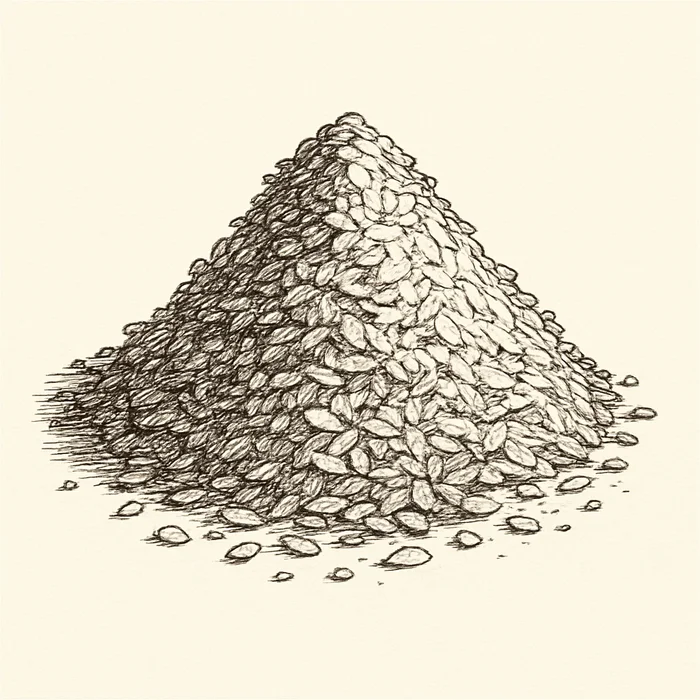
Nutritional Yeast
Red Star T6635+ Vegetarian Support Formula nutritional yeast is listed as a vegan vitamin B12 source (1 mcg per 2 g serving, 17% DV) in the Longevity Diet. Baker's yeast is also listed as a folate source (23 mcg per ¼ tsp, 6% DV). Fortified nutritional yeast makes B12 accessible to vegans who cannot obtain it from animal products.
Why It Matters for Longevity
Vitamin B12 is essential for neurological function, DNA synthesis, and red blood cell formation. Deficiency — common in vegans without supplementation — raises homocysteine, an independent cardiovascular and cognitive risk factor. Fortified nutritional yeast is one of the few plant-derived foods that provides bioavailable B12; surveys of vegetarian populations confirm that fermented and fortified yeast products can maintain serum B12 in the normal range.
A comprehensive review of plant food B12 sources confirmed that fortified nutritional yeast (particularly strains such as Red Star T6635+) contains bioavailable cyanocobalamin that is absorbed comparably to supplement forms and is effective at preventing deficiency and hyperhomocysteinaemia in vegetarians and vegans (Watanabe et al., 2014, Nutrients).
Beta-glucans from Saccharomyces cerevisiae — the same yeast species used in nutritional yeast — modulate innate immune function via dectin-1 receptor activation, reducing the incidence of upper respiratory tract infections. A double-blind RCT of yeast-derived β-1,3/1,6-glucan (250 mg/day) demonstrated significantly fewer cold and flu episodes and reduced severity compared with placebo, supporting the immune-resilience benefits relevant to healthy aging (Fuller et al., 2017, Nutrition).
Beta-Glucan: Mechanism and Clinical Evidence
The cell wall of Saccharomyces cerevisiae is approximately 50–60% beta-glucan by dry weight, with the physiologically active fraction being the β-1,3/1,6-linked polymer. This branched polysaccharide binds to pattern-recognition receptors — primarily dectin-1 on macrophages, dendritic cells, and natural killer cells — triggering a signaling cascade through Syk kinase and NF-κB that primes innate immune cells toward a more responsive state. This phenomenon, now termed "trained immunity," results in enhanced cytokine production and faster pathogen clearance for weeks to months after initial exposure.
In a double-blind, randomized, placebo-controlled multicenter trial with 162 healthy adults receiving 900 mg of insoluble yeast (1,3)-(1,6)-beta-glucan daily for 16 weeks, supplementation reduced the number of symptomatic common cold infections by 25% compared to placebo (p=0.041 in the per-protocol population). Both physicians and participants rated the treatment superior to placebo on global efficacy assessments (p=0.004 and p=0.012, respectively), and the treatment group also reported significantly improved sleep quality (Auinger et al., 2013, Eur J Nutr). The dose in this trial (900 mg insoluble glucan) exceeds what typical nutritional yeast servings provide, but the mechanism is the same.
B-Vitamin Profile Beyond B12
Nutritional yeast is unusually rich in the full water-soluble B-vitamin complex. Unfortified varieties naturally contain substantial thiamine (B1), riboflavin (B2), niacin (B3), pantothenic acid (B5), pyridoxine (B6), and folate (B9). In fortified versions, cyanocobalamin (B12) is added back after the inactivation process that deactivates the live yeast.
Each of these vitamins serves as a coenzyme in metabolic pathways relevant to aging:
- Thiamine (B1) is the obligatory cofactor for pyruvate dehydrogenase and alpha-ketoglutarate dehydrogenase — two rate-limiting complexes in the citric acid cycle. Thiamine deficiency in older adults produces clinically significant impairment of mitochondrial ATP synthesis even without the severe beriberi phenotype associated with frank deficiency.
- Riboflavin (B2) is the precursor to flavin adenine dinucleotide (FAD) and flavin mononucleotide (FMN), prosthetic groups for Complexes I and II of the mitochondrial electron transport chain. Riboflavin insufficiency directly reduces respiratory chain capacity and raises mitochondrial reactive oxygen species production.
- Folate (B9) at ~2,340 mcg per 100 g (unfortified dry yeast) provides the one-carbon units required for purine and thymidylate synthesis, DNA repair, and methylation of histones and cytosines via S-adenosylmethionine (SAM). Low folate is the most common nutritional trigger of elevated homocysteine in omnivores as well as vegans.
A 2018 review of B vitamins and aging noted that insufficiency of this vitamin group — increasingly prevalent in older adults due to reduced gastric acid production limiting B12 absorption and lower dietary variety — has been mechanistically linked to cardiovascular disorders, cognitive dysfunction, methylation disorders, and accelerated mitochondrial decline (Mikkelsen & Apostolopoulos, 2018, Subcell Biochem).
Chromium and Glucose Metabolism
Nutritional yeast is a natural source of chromium, the mineral that acts as a cofactor for insulin receptor signaling. In a double-blind randomized controlled trial of 36 subjects with type 2 diabetes receiving 400 mcg chromium/day as chromium-enriched yeast for 12 weeks, the supplemented group showed a significant decrease in fasting serum glucose (p<0.01) and greater reduction in fasting insulin (-16.5% versus -9.5% in the placebo group). The treatment also prevented the decline in glutathione peroxidase activity and reduced glutathione levels observed in the placebo group, suggesting an additional antioxidant-sparing effect (Racek et al., 2006, Biol Trace Elem Res). The chromium content of nutritional yeast varies by manufacturer and strain; typical values range from 30–100 mcg per 2-tablespoon serving.
Umami from Glutamates
Nutritional yeast develops its characteristic cheesy, savory flavor during the deactivation process when yeast cells lyse and release free glutamic acid — the same compound responsible for the umami taste of Parmesan, miso, and soy sauce. This makes it a useful tool for building the hedonic palatability of plant-forward, lower-protein Longevity Diet dishes without adding animal protein. Because glutamate stimulates the same taste receptors as added salt and fat, liberal use of nutritional yeast can reduce the need for excess sodium or saturated fat to make vegetable-forward meals satisfying.
How to Use It
Sprinkle 2 g (approximately 1 tablespoon of flakes) over pasta, popcorn, soups, or grain bowls as a vegan umami seasoning. Use as a partial substitute for Parmesan in Longevity Diet pasta dishes. Choose a B12-fortified strain (Red Star T6635+ or equivalent) — unfortified nutritional yeast contains no active vitamin B12.
What to Pair It With
| Ingredient | Why | Tradition |
|---|---|---|
| Pasta | Vegan Parmesan substitute; adds B12 and umami to grain dishes | The Longevity Diet |
| Legumes | Adds complete amino acid profile and umami to plant-protein meals | General |
| Popcorn | Classic whole-grain snack format; absorbs flakes well | American |
| Omega-3 sources | B12 is required for normal homocysteine metabolism alongside omega-3s | General |
Flavor Profile
Umami, cheesy, nutty, and savory. Aroma is yeasty and mildly nutty. Texture is fine flakes or powder. Category: condiment / flavoring / supplement.
The Science
- Watanabe et al., 2014, Nutrients: Review of plant food B12 sources confirmed fortified nutritional yeast contains bioavailable cyanocobalamin effective at preventing B12 deficiency and elevated homocysteine in vegetarians and vegans.
- Fuller et al., 2017, Nutrition: Double-blind RCT of yeast-derived β-1,3/1,6-glucan demonstrated significantly fewer upper respiratory tract infections and reduced symptom severity versus placebo, supporting immune-resilience benefits of yeast beta-glucans.
- Auinger et al., 2013, Eur J Nutr: Double-blind RCT (n=162, 16 weeks) — 900 mg/day insoluble yeast (1,3)-(1,6)-beta-glucan reduced symptomatic common cold infections by 25% versus placebo (p=0.041); both physician and participant global efficacy ratings favored treatment (p<0.012).
- Racek et al., 2006, Biol Trace Elem Res: Double-blind RCT (n=36, 12 weeks) — 400 mcg/day chromium as chromium-enriched yeast significantly reduced fasting serum glucose and preserved antioxidant enzyme activity versus placebo in subjects with type 2 diabetes.
- Mikkelsen & Apostolopoulos, 2018, Subcell Biochem: Review — B vitamin insufficiency in aging linked to cardiovascular disorders, cognitive dysfunction, methylation disorders, and mitochondrial decline; optimization may prevent degenerative disease progression.
References
- Watanabe F, Yabuta Y, Bito T, Teng F. Vitamin B12-containing plant food sources for vegetarians. Nutrients. 2014;6(5):1861-1873. PMID: 24803097. doi:10.3390/nu6051861
- Fuller R, Moore MV, Lewith G, et al. Yeast-derived β-1,3/1,6 glucan, upper respiratory tract infections and innate immunity in older adults. Nutrition. 2017;39-40:30-35. PMID: 28606567. doi:10.1016/j.nut.2017.03.012
- Auinger A, Riede L, Bothe G, Busch R, Gruenwald J. Yeast (1,3)-(1,6)-beta-glucan helps to maintain the body's defence against pathogens: a double-blind, randomized, placebo-controlled, multicentric study in healthy subjects. Eur J Nutr. 2013;52(8):1913-1918. PMID: 23340963. doi:10.1007/s00394-013-0492-z
- Racek J, Trefil L, Rajdl D, Mudrová V, Hunter D, Senft V. Influence of chromium-enriched yeast on blood glucose and insulin variables, blood lipids, and markers of oxidative stress in subjects with type 2 diabetes mellitus. Biol Trace Elem Res. 2006;109(3):215-230. PMID: 16632892. doi:10.1385/BTER:109:3:215
- Mikkelsen K, Apostolopoulos V. B Vitamins and Ageing. Subcell Biochem. 2018;90:451-470. PMID: 30779018. doi:10.1007/978-981-13-2835-0_15
Key Nutrients
| Nutrient | Per 100g | Notes |
|---|---|---|
| Vitamin B12 (cyanocobalamin, fortified) | ~50 mcg (fortified variety) | Bioavailability comparable to supplement cyanocobalamin; must be a B12-fortified strain (e.g., Red Star T6635+); unfortified strains contain no active B12 |
| Beta-glucans | ~1–5 g | Immune-modulating polysaccharides; bind dectin-1 receptors on macrophages and NK cells; clinical RCTs of isolated yeast glucan show 25% reduction in cold incidence |
| Protein (complete) | ~50 g (dry weight) | Contains all essential amino acids; relatively high PDCAAS for a plant source |
| Folate | ~2340 mcg (unfortified yeast) | High folate content; essential for single-carbon metabolism, DNA repair, and homocysteine conversion via SAM pathway |
| Chromium | ~30–100 mcg per 2 tbsp serving | Insulin receptor signaling cofactor; chromium-enriched yeast RCT shows significant fasting glucose reduction in T2D subjects |