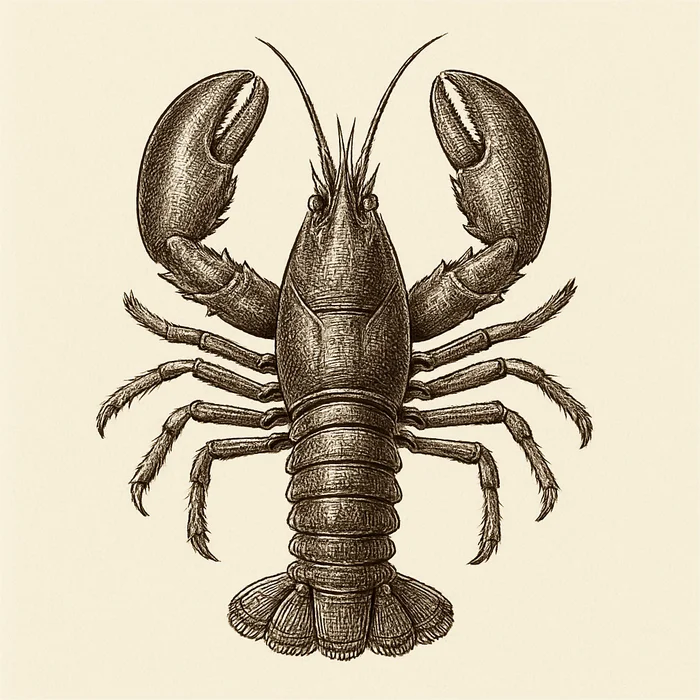
Lobster
Lobster is a lean shellfish providing marine omega-3 fatty acids (EPA and DHA), selenium, zinc, copper, and complete protein at low caloric density. Its nutritional profile addresses several mechanistic pathways relevant to cardiovascular longevity and antioxidant defense.
Why It Matters for Longevity
Lobster provides 20 g complete protein, ~0.5 g EPA+DHA, ~42 mcg selenium, ~3.4 mg zinc, and ~1.8 mg copper per 100 g cooked. The combination of lean marine protein with micronutrients that participate directly in antioxidant enzyme systems (glutathione peroxidase, superoxide dismutase, cytochrome c oxidase) makes lobster nutritionally distinct from terrestrial meat proteins.
Cardiovascular Risk Reduction from Shellfish Consumption
Among 191,558 participants across 58 countries, fish and shellfish consumption of 175–350 g/week was associated with significantly lower risk of cardiovascular mortality and myocardial infarction; marine omega-3s from shellfish including lobster contributed to the observed cardiovascular protection (Mohan et al., 2021, JAMA Intern Med).
A dose-response meta-analysis of 25 prospective cohort studies in over 2 million participants (Jiang et al., 2021, Nutrients) found that each 20 g/day increase in fish and seafood intake was associated with a 4% lower cardiovascular mortality risk (RR 0.96; 95% CI 0.94–0.99). Marine n-3 PUFA — the primary bioactive in shellfish omega-3s — were separately associated with a 13% lower CVD mortality risk at the highest intake levels (RR 0.87; 95% CI 0.85–0.89).
Selenium and the Glutathione Peroxidase System
Lobster is a rich source of selenium at approximately 42 mcg per 100 g cooked — roughly 76% of the adult recommended dietary allowance in a single serving. Selenium is the enzymatic cofactor of all five mammalian glutathione peroxidase (GPx) isoforms, which catalyze the reduction of hydrogen peroxide and lipid hydroperoxides to water and lipid alcohols, protecting cell membranes and DNA from oxidative damage. GPx activity is rate-limited by selenium availability at intakes below approximately 55–70 mcg/day, the range where selenoprotein P and GPx plateau. Seafood selenium is present primarily as selenomethionine and selenocysteine, forms with high bioavailability (>80%) compared to inorganic sodium selenite.
The importance of adequate selenium for cardiovascular protection is supported by a meta-analysis of 43 RCTs in 9,423 studies (Jenkins et al., 2020, Am J Clin Nutr): when selenium was included in antioxidant mixtures, the analysis found a significant reduction in CVD mortality (RR 0.77; 95% CI 0.62–0.97; p=0.02) and all-cause mortality (RR 0.90; 95% CI 0.82–0.98; p=0.02). Antioxidant mixtures without selenium did not show benefit — and those without selenium actually showed increased all-cause mortality risk (RR 1.09; 95% CI 1.04–1.13). This underscores that selenium's role in the antioxidant system is not redundant with other antioxidant nutrients.
Zinc, Copper, and Enzyme Cofactor Roles
Lobster's zinc content (~3.4 mg/100 g) supports multiple longevity-relevant enzymes. Zinc is the catalytic or structural component of over 300 enzymes, including copper-zinc superoxide dismutase (CuZnSOD), which converts superoxide radicals (O₂⁻) to hydrogen peroxide, protecting mitochondria and cytosol from free-radical damage. Zinc also regulates the transcription factor NF-κB, with adequate zinc status associated with lower pro-inflammatory cytokine production. Zinc from shellfish is associated with animal-protein food matrices that include sulfur amino acids, which chelate zinc for intestinal absorption — making shellfish zinc more bioavailable than equivalent amounts from legumes or grains, where phytate forms insoluble zinc complexes.
Copper at ~1.8 mg per 100 g makes lobster one of the highest dietary copper sources. Copper is a co-factor of cytochrome c oxidase (Complex IV of the mitochondrial electron transport chain), ceruloplasmin (iron metabolism and ferroxidase activity), and copper-zinc SOD. The high copper content requires attention to dietary balance: the tolerable upper intake for copper is 10 mg/day, and typical lobster portions of 150–200 g remain well within safe ranges. Shellfish provide a comprehensive nutritional profile supporting human health through high-quality complete protein, bioavailable omega-3 phospholipids, heme-associated zinc, selenium for glutathione peroxidase antioxidant defense, and copper for cytochrome c oxidase (Venugopal and Gopakumar, 2017, Compr Rev Food Sci Food Saf).
Dietary Cholesterol: What the Evidence Actually Shows
Lobster contains approximately 70–95 mg dietary cholesterol per 100 g cooked — a figure that has historically prompted concern about cardiovascular risk. The contemporary evidence does not support restriction for most adults. Dietary cholesterol raises serum LDL-C modestly in clinical trials (net LDL increase ~6.7 mg/dL per incremental dietary cholesterol increase in one meta-analysis), but shellfish cholesterol is accompanied by marine sterols and phospholipids that inhibit intestinal cholesterol absorption. In a controlled crossover study of shellfish species, lobster and crab consumed in large quantities produced only mild LDL elevation in normolipidemic men — substantially less than equivalent cholesterol from other animal foods (Childs et al., 1990, Am J Clin Nutr). Lower-cholesterol shellfish (oysters, mussels, clams) actually reduced serum LDL and VLDL cholesterol in the same study. The current dietary guidelines do not set a specific cholesterol limit, and the evidence base does not support avoiding lobster for its cholesterol content in the context of an otherwise plant-forward diet.
Lean Protein and IGF-1
Lobster's protein (20 g/100 g, complete amino acid profile) generates a lower insulin-like growth factor 1 (IGF-1) stimulus than equivalent red meat protein. Sustained high IGF-1 during mid-life is associated with accelerated aging and increased cancer risk in mechanistic and epidemiological frameworks. Lean marine protein is explicitly preferred over red and processed meats in longevity dietary patterns, including the Longevity Diet, partly on this basis. The lean nature of lobster (2–3 g total fat per 100 g) also means it contributes minimal saturated fatty acids compared to land-animal protein equivalents.
How to Use It
Pairs well with lemon, olive oil, and fennel. Simpler preparations (steamed, boiled, or grilled) preserve the shellfish's natural flavor profile and avoid the added saturated fat of butter-based preparations. Cold-water North Atlantic lobster (Homarus americanus) tends to be higher in EPA/DHA than warm-water spiny lobster (Panulirus spp.), reflecting differences in prey and metabolic adaptation to cold temperatures.
What to Pair It With
| Ingredient | Why | Tradition |
|---|---|---|
| Lemon | Vitamin C enhances mineral absorption from shellfish; acidity balances richness | Mediterranean |
| Olive oil | Monounsaturated fats enhance absorption of fat-soluble nutrients; reduces pro-oxidative potential of PUFAs | Mediterranean |
| Fennel | Anti-inflammatory anethole complements EPA/DHA; classic Italian seafood pairing | Italian |
| Grapes | Traditional accompaniment; polyphenol complement to shellfish protein | Mediterranean |
| Lettuce | Classic lobster salad preparation; fiber and micronutrients complement lean shellfish protein | Traditional |
Flavor Profile
Sweet, briny, rich, and delicate. Aroma is oceanic and slightly sweet. Texture is firm, tender, and succulent. Category: shellfish / luxury seafood.
The Science
- Mohan et al., 2021, JAMA Intern Med: Among 191,558 participants in 58 countries, fish and shellfish consumption of 175–350 g/week associated with lower cardiovascular mortality and myocardial infarction risk.
- Jiang et al., 2021, Nutrients: 25 cohort studies, >2 million participants — each 20 g/day seafood increment lowers CVD mortality 4%; marine n-3 PUFA reduces CVD mortality (RR 0.87).
- Jenkins et al., 2020, Am J Clin Nutr: 43 RCTs — selenium-containing antioxidant mixtures reduce CVD mortality (RR 0.77) and all-cause mortality (RR 0.90); effect absent without selenium.
- Venugopal and Gopakumar, 2017, Compr Rev Food Sci Food Saf: Comprehensive review of shellfish nutritional value — high-quality protein, bioavailable omega-3 phospholipids, heme zinc, selenium, and copper profile makes shellfish among the most nutrient-dense foods per calorie.
- Childs et al., 1990, Am J Clin Nutr: Controlled crossover in normolipidemic men — lobster and crab produced mild LDL elevation well below that of other cholesterol-containing foods; oysters, clams, and mussels reduced LDL.
References
- Mohan D, Mente A, Dehghan M, et al. Associations of Fish Consumption With Risk of Cardiovascular Disease and Mortality Among Individuals With or Without Vascular Disease From 58 Countries. JAMA Intern Med. 2021;181(5):631-649. PMID: 33683310. doi:10.1001/jamainternmed.2021.0036
- Jiang L, Wang J, Xiong K, Xu L, Zhang B, Ma A. Intake of Fish and Marine n-3 Polyunsaturated Fatty Acids and Risk of Cardiovascular Disease Mortality: A Meta-Analysis of Prospective Cohort Studies. Nutrients. 2021;13(7):2342. PMID: 34371852. doi:10.3390/nu13072342
- Jenkins DJA, Spence JD, Giovannucci EL, et al. Selenium, antioxidants, cardiovascular disease, and all-cause mortality: a systematic review and meta-analysis of randomized controlled trials. Am J Clin Nutr. 2020;112(6):1642-1652. PMID: 33053149. doi:10.1093/ajcn/nqaa245
- Venugopal V, Gopakumar K. Shellfish: Nutritive Value, Health Benefits, and Consumer Safety. Compr Rev Food Sci Food Saf. 2017;16(6):1219-1242. PMID: 33371588. doi:10.1111/1541-4337.12312
- Childs MT, Dorsett CS, King IB, Ostrander JG, Yamanaka WK. Effects of shellfish consumption on lipoproteins in normolipidemic men. Am J Clin Nutr. 1990;51(6):1020-1027. PMID: 2349916. doi:10.1093/ajcn/51.6.1020
Key Nutrients
| Nutrient | Per 100g | Notes |
|---|---|---|
| EPA + DHA (omega-3) | ~0.5 g (cooked) | Marine omega-3s; phospholipid-bound form in shellfish is highly bioavailable |
| Calcium | ~96 mg (cooked) | Bioavailability approximately 30%; contributes to daily calcium needs especially in low-dairy diets |
| Selenium | ~42 mcg (cooked) | ~76% RDI; selenomethionine form is >80% bioavailable; essential cofactor for glutathione peroxidase (GPx) |
| Zinc | ~3.4 mg (cooked) | Animal-matrix zinc is more bioavailable than plant-source zinc; structural component of CuZnSOD antioxidant enzyme |
| Copper | ~1.8 mg (cooked) | High copper source; cytochrome c oxidase cofactor (mitochondrial Complex IV) and CuZnSOD |
| Protein (complete) | ~20 g (cooked) | Complete amino acid profile; lower IGF-1 stimulation than red meat; 2–3 g total fat |