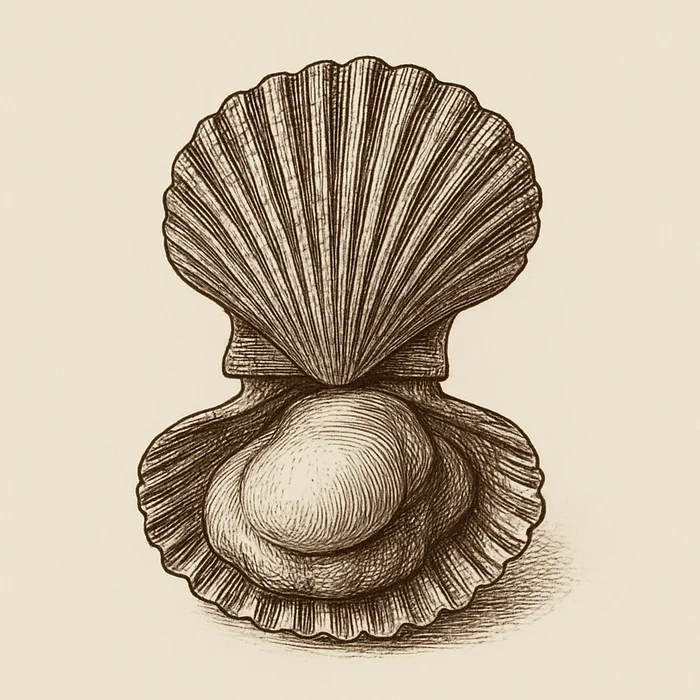
Scallops
Scallops are listed as a dietary source of omega-3 fatty acids, providing 0.27 g EPA/DHA per 75 g cooked serving, contributing to the recommended weekly omega-3 intake on the Longevity Diet.
Why It Matters for Longevity
Scallops are a low-mercury shellfish with a meaningful EPA/DHA content (0.37 g per 100 g cooked), supporting the cardiovascular and anti-inflammatory benefits associated with marine omega-3s.
Beyond omega-3s, scallops are exceptionally rich in taurine (~827 mg/100g) and glycine — two amino acids with cardioprotective and metabolic properties. Hosomi et al. showed that dietary scallop protein, specifically due to its taurine and glycine content, prevented high-fat diet-induced obesity and improved the plasma lipid profile in animal models (Hosomi et al., 2014, Food Nutr Res). Taurine's role as a longevity-relevant amino acid is increasingly recognized: taurine levels in blood decline with aging in multiple mammalian species, and supplementation extended lifespan and healthspan markers in preclinical models (Singh et al., 2023, Science).
Regular seafood consumption — including low-mercury shellfish like scallops — is associated with significantly reduced cardiovascular mortality in large observational analyses. A meta-analysis of 25 prospective cohort studies involving over 2 million participants found that higher marine n-3 PUFA intake was associated with a 13% lower risk of CVD mortality (RR 0.87; 95% CI 0.85–0.89), with each additional 20 g/day of fish intake reducing CVD mortality by 4% (Jiang et al., 2021, Nutrients). EPA and DHA contribute through anti-arrhythmic, anti-inflammatory, and anti-atherogenic mechanisms.
Vitamin B12: High Density, Homocysteine Clearance
Scallops provide approximately 1.4 mcg of vitamin B12 per 100 g cooked — a meaningful contribution toward the 2.4 mcg adult daily requirement from a lean, low-calorie shellfish. The B12 in bivalve shellfish is present in active cobalamin forms; a characterization study of edible shellfish found that clams, oysters, and mussels all contain B12 in the hydroxycobalamin and methylcobalamin forms that are directly bioavailable (Watanabe et al., 2001, Int J Vitam Nutr Res).
B12 is required by methionine synthase for the remethylation of homocysteine back to methionine. When dietary B12 is insufficient, plasma homocysteine rises. Elevated homocysteine is a recognized modest independent predictor of cardiovascular disease and stroke, and the relationship is grounded in mechanism: homocysteine promotes endothelial dysfunction, platelet aggregation, and oxidative stress in the vascular wall (Strain et al., 2004, Proc Nutr Soc). Shellfish B12 is particularly relevant for older adults, in whom reduced gastric acid production impairs B12 absorption from all dietary sources — maintaining intake from diverse shellfish sources helps buffer the absorption decline.
Selenium: Enzymatic Antioxidant Defense
Scallops provide approximately 23 mcg of selenium per 100 g cooked, largely as selenomethionine — the organic form with the highest bioavailability. Selenium is an essential component of the glutathione peroxidase (GPx) family of antioxidant enzymes, which neutralize hydrogen peroxide and lipid peroxides to protect cell membranes, mitochondria, and DNA from oxidative damage. Selenium is also required for thioredoxin reductase, another key antioxidant enzyme controlling cellular redox homeostasis.
A systematic review and meta-analysis of randomized controlled trials found that selenium as part of antioxidant mixtures was associated with reduced CVD mortality (RR 0.77; 95% CI 0.62–0.97) and all-cause mortality (RR 0.90; 95% CI 0.82–0.98); notably, antioxidant supplementation without selenium produced an increase in all-cause mortality, suggesting selenium is specifically required for the protective effect (Jenkins et al., 2020, Am J Clin Nutr). For dietary selenium, scallops offer a reliable food-matrix source without the toxicity risk associated with high-dose supplemental selenium.
Lean Protein and Satiety
Scallops provide approximately 17–20 g of protein per 100 g cooked at roughly 88 kcal — an exceptionally high protein-to-calorie ratio. The protein is complete, containing all essential amino acids, and is highly digestible. High-protein seafood meals have well-documented satiety effects mediated through GLP-1 and PYY release, contributing to reduced overall energy intake without dietary restriction. In the context of the Longevity Diet's emphasis on moderate protein intake from predominantly plant and marine sources, scallops offer a format where protein density is very high relative to saturated fat content (less than 0.1 g/100 g), making them a favorable choice against other high-protein options.
Taurine and Glycine: Dual Amino Acid Action
Scallops are one of the richest dietary sources of both taurine and glycine simultaneously. While taurine's cardiovascular and aging-related mechanisms are increasingly well-characterized, glycine contributes independently: glycine is a required substrate for collagen synthesis, a key component of heme biosynthesis, and acts as an inhibitory neurotransmitter in the central nervous system. Glycine has also been shown to reduce postprandial blood glucose and insulin responses in healthy subjects when co-consumed with carbohydrates, through effects on gastric emptying and incretin secretion. The taurine-glycine combination found in scallop protein may explain the broad metabolic benefits observed in animal models at dietary doses achievable through regular shellfish consumption.
Zinc: Trace Mineral with Cardiovascular Relevance
Scallops provide approximately 2.7 mg of zinc per 100 g cooked — about 25% of the adult daily value. Zinc is required for over 300 enzymatic reactions and is a structural component of the Cu/Zn superoxide dismutase (SOD1) antioxidant enzyme, which neutralizes superoxide radicals in the cytoplasm and is one of the first lines of intracellular antioxidant defense. In the cardiovascular system, zinc plays roles in endothelial function, regulation of NF-κB inflammatory signaling, and DNA damage response pathways.
A prospective cohort study of 58,646 Japanese adults followed for approximately 20 years found that higher dietary zinc intake was inversely associated with coronary heart disease mortality in men, with the highest versus lowest quintile of zinc intake associated with approximately 32% lower CHD mortality risk (HR ~0.68), though no significant association was observed in women. The authors attributed the sex difference to lower baseline zinc intake and higher prevalence of zinc inadequacy in men in this population (Eshak et al., 2018, J Nutr Biochem). The zinc in scallops is in an organic matrix (bound to protein) with bioavailability superior to inorganic zinc oxide supplements, and the absence of competing phytate — which reduces zinc absorption from plant foods — makes shellfish a particularly efficient zinc source.
Seafood Consumption and Cardiovascular Incidence: Cohort Evidence
A community-based prospective cohort study following 6,565 Korean adults (mean age 55.65 years) for 10 years found that seafood intake was significantly and inversely associated with cumulative cardiovascular disease incidence across both sexes. Among women, lower seafood intake was associated with an HR of 0.72 (95% CI 0.52–0.99) for CVD, with a statistically significant trend (P = 0.043). The effect was independent of major confounders including physical activity, smoking, alcohol, and body weight. The authors noted that participants with lower seafood intake also had lower EPA and DHA intake, suggesting the omega-3 content of shellfish and fish as a primary mediating mechanism (Park et al., 2022, Nutrients). Scallops, as a low-mercury shellfish with a meaningful EPA/DHA and taurine content, fit naturally into the seafood intake pattern documented in this and similar cohort analyses.
How to Use It
Pairs well with extra-virgin olive oil, lemon, garlic. Sear briefly in a hot pan for 1–2 minutes per side until golden — overcooking makes them rubbery. The simplest preparations are usually the best.
What to Pair It With
| Ingredient | Why | Tradition |
|---|---|---|
| extra-virgin olive oil | See synergies | General culinary |
| lemon | See synergies | General culinary |
| garlic | See synergies | General culinary |
| cauliflower puree | See synergies | General culinary |
| whole grain pasta | See synergies | General culinary |
Synergies
- Extra-Virgin Olive Oil (synergy): Olive oil's oleic acid complements scallops' EPA/DHA in cardiovascular protection via complementary anti-inflammatory pathways; fat also enhances absorption of fat-soluble nutrients.
- Garlic (synergy): Garlic's organosulfur compounds (allicin) and scallop taurine both exert blood pressure-lowering and anti-thrombotic effects via distinct mechanisms — a cardiovascular longevity synergy.
Flavor Profile
Taste: sweet, briny, mild, buttery, umami. Aroma: fresh ocean, sweet shellfish, light brine. Texture: tender, firm when seared, silky when just cooked, rubbery if overcooked. Category: shellfish / seafood.
The Science
- Mozaffarian & Rimm, 2006, JAMA: Comprehensive review of fish and shellfish consumption: benefits of EPA and DHA in reducing cardiovascular mortality substantially outweigh contaminant risks for low-mercury species including scallops.
- Hosomi et al., 2014, Food Nutr Res: Scallop protein, specifically its high endogenous taurine and glycine content, completely prevented high-fat diet-induced obesity and improved plasma lipid profile in mice.
- Singh et al., 2023, Science: Taurine levels decline with aging in mammals; supplementation extended lifespan 10–12% and improved multiple healthspan markers in middle-aged animal models.
- Jiang et al., 2021, Nutrients: Meta-analysis of 25 cohort studies (>2 million participants): higher marine n-3 PUFA intake associated with 13% lower CVD mortality; each additional 80 mg/day marine n-3 reduces risk by 4%.
- Jenkins et al., 2020, Am J Clin Nutr: Selenium in antioxidant mixtures reduced CVD mortality (RR 0.77) and all-cause mortality (RR 0.90) in RCT meta-analysis; antioxidants without selenium increased all-cause mortality.
- Watanabe et al., 2001, Int J Vitam Nutr Res: Edible shellfish contain B12 in bioavailable hydroxycobalamin and methylcobalamin forms; microbiological values substantially exceed cobalamin forms not active in human metabolism.
- Strain et al., 2004, Proc Nutr Soc: B12 required by methionine synthase for homocysteine remethylation; B12 deficiency raises plasma homocysteine, a modest independent predictor of CVD and stroke.
- Eshak et al., 2018, J Nutr Biochem: Prospective cohort of 58,646 Japanese adults over ~20 years — higher dietary zinc intake was inversely associated with CHD mortality in men (~32% lower risk in highest vs. lowest quintile); no significant association in women.
- Park et al., 2022, Nutrients: Korean prospective cohort (6,565 adults, 10-year follow-up) — seafood intake significantly and inversely associated with CVD incidence; women with higher seafood intake had HR 0.72 (95% CI 0.52–0.99) for CVD.
References
- Mozaffarian D, Rimm EB. Fish intake, contaminants, and human health: evaluating the risks and the benefits. JAMA. 2006;296(15):1885-99. PMID: 17047219. doi:10.1001/jama.296.15.1885
- Hosomi R, Yoshida M, Fukunaga K. Scallop protein with endogenous high taurine and glycine content prevents high-fat, high-sucrose-induced obesity and improves plasma lipid profile in male C57BL/6J mice. Food Nutr Res. 2014;58. PMID: 24658997. doi:10.3402/fnr.v58.23543
- Singh P, Gollapalli K, Mangiola S, et al. Taurine deficiency as a driver of aging. Science. 2023;380(6649):eabn9257. PMID: 37289866. doi:10.1126/science.abn9257
- Jiang L, Wang J, Xiong K, Xu L, Zhang B, Ma A. Intake of fish and marine n-3 polyunsaturated fatty acids and risk of cardiovascular disease mortality: a meta-analysis of prospective cohort studies. Nutrients. 2021;13(8):2750. PMID: 34371852. doi:10.3390/nu13082750
- Jenkins DJA, Kitts D, Giovannucci EL, et al. Selenium, antioxidants, cardiovascular disease, and all-cause mortality: a systematic review and meta-analysis of randomized controlled trials. Am J Clin Nutr. 2020;112(6):1642-1652. PMID: 33053149. doi:10.1093/ajcn/nqaa245
- Watanabe F, Takenaka S, Kittaka-Katsura H, Ebara S, Miyamoto E. Characterization and bioavailability of vitamin B12-compounds from edible algae. Int J Vitam Nutr Res. 2001;71(6):345-51. PMID: 11400475. doi:10.1024/0300-9831.71.6.345
- Strain JJ, Dowey L, Ward M, Pentieva K, McNulty H. B-vitamins, homocysteine metabolism and CVD. Proc Nutr Soc. 2004;63(4):597-603. PMID: 15831132. doi:10.1079/PNS2004394
- Eshak ES, Iso H, Yamagishi K, Maruyama K, Umesawa M, Tamakoshi A. Associations between copper and zinc intakes from diet and mortality from cardiovascular disease in a large population-based prospective cohort study. J Nutr Biochem. 2018;56:184-190. PMID: 29529560. doi:10.1016/j.jnutbio.2018.02.010
- Park GH, Cho JH, Lee D, Kim Y. Association between Seafood Intake and Cardiovascular Disease in South Korean Adults: A Community-Based Prospective Cohort Study. Nutrients. 2022;14(22):4864. PMID: 36432548. doi:10.3390/nu14224864
Key Nutrients
| Nutrient | Per 100g | Notes |
|---|---|---|
| Omega-3 fatty acids (EPA + DHA) | ~0.37 g (cooked) | Naturally triglyceride-bound; bioavailability similar to fish oil supplements; EPA and DHA reduce platelet aggregation and systemic inflammation. |
| Vitamin B12 | ~1.4 mcg (cooked) | Meaningful B12 source in active cobalamin forms; supports neurological function and homocysteine clearance critical for cardiovascular and cognitive aging. |
| Taurine | ~827 mg | One of the richest dietary taurine sources; taurine has been shown to slow aging hallmarks in preclinical models and is conditionally essential under physiological stress. |
| Glycine | high | Required for collagen synthesis, heme biosynthesis, and glycemic modulation; complements taurine's metabolic effects in the same protein matrix. |
| Selenium | ~23 mcg (cooked) | High bioavailability as selenomethionine; essential cofactor for glutathione peroxidase and thioredoxin reductase antioxidant enzyme systems. |
| Protein | ~17–20 g (cooked) | Complete, highly digestible; very high protein-to-calorie ratio (~88 kcal/100g); supports satiety through GLP-1 and PYY pathways. |