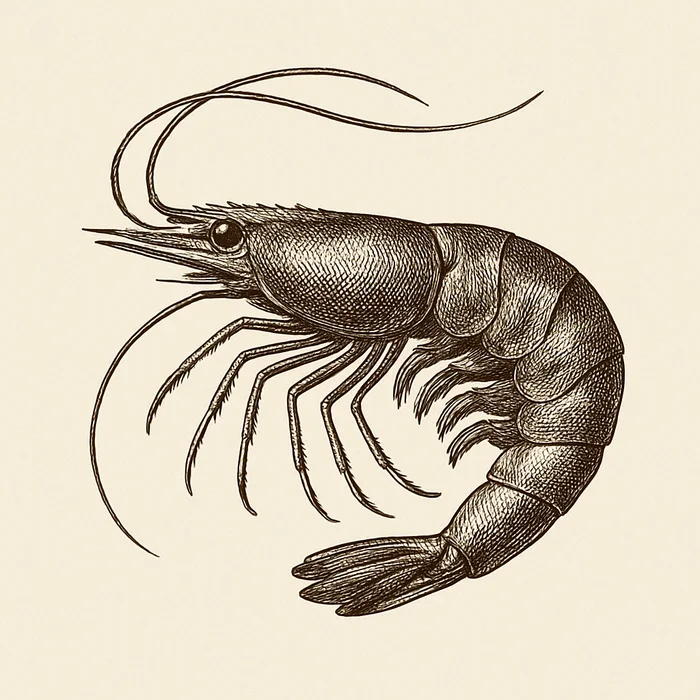
Shrimp
Shrimp is used in the Longevity Diet's black rice with zucchini and shrimp dish, providing 0.24 g EPA/DHA per 75 g cooked, with lean protein, high selenium, and low mercury.
Why It Matters for Longevity
Shrimp is a lean, low-mercury crustacean with an unusually good nutritional profile per calorie — high in complete protein, selenium, B12, and iodine, with a meaningful marine omega-3 content.
Cardiovascular Profile
The cardiovascular profile of shrimp is nuanced but favorable when examined carefully. Childs et al. (1990) conducted a controlled crossover study in normolipidemic men and found that shrimp consumption raised LDL-C but simultaneously raised HDL-C and reduced triglycerides significantly compared to a low-fat diet — the net cardiovascular lipid effect is considered favorable (Childs et al., 1990, Am J Clin Nutr). This result reflects a broader reframing of dietary cholesterol research: for most people without familial hypercholesterolemia, dietary cholesterol from seafood has a substantially smaller impact on cardiovascular risk than saturated fat intake.
A large meta-analysis of 38 RCTs involving 149,051 participants confirmed that marine omega-3 fatty acids (EPA + DHA) — present at 0.32 g per 100 g cooked shrimp — are associated with a 7% reduction in non-fatal myocardial infarction (RR 0.87, 95% CI 0.81–0.93) and a 7% reduction in cardiovascular mortality (RR 0.93, 95% CI 0.88–0.98) compared to control (Khan et al., 2021, EClinicalMedicine). The protective signal operates through EPA/DHA's role in reducing platelet aggregation, lowering triglycerides via PPAR-α activation, and modulating inflammatory eicosanoid synthesis.
Astaxanthin: Antioxidant Mechanism
Shrimp is one of the richer dietary sources of astaxanthin, the xanthophyll carotenoid that gives crustaceans their pink-red color after cooking. Unlike beta-carotene, astaxanthin spans the full lipid bilayer, neutralizing reactive oxygen species (ROS) on both the intracellular and extracellular faces of cell membranes — a geometry that gives it antioxidant activity roughly 100-fold greater than vitamin E against lipid peroxidation (Ambati et al., 2014, Mar Drugs).
A meta-analysis of nine RCTs (n = 380) found that astaxanthin supplementation significantly reduced plasma malondialdehyde (a lipid peroxidation marker) with a standardized mean difference of −1.32 μmol/L (95% CI −1.92 to −0.72; p < 0.0001), reduced isoprostane by SMD −3.10 ng/mL (95% CI −4.69 to −1.51; p < 0.0001), and increased superoxide dismutase activity (SMD 1.57 U/mL, 95% CI 0.57–2.56; p = 0.002). High-dose astaxanthin (≥20 mg/day) consistently drove the antioxidant effects; low-dose supplementation (<20 mg/day) showed no significant benefit in these trials (Wu et al., 2020, Int J Vitam Nutr Res). Dietary amounts from shrimp are substantially lower than supplement doses, meaning astaxanthin's benefit from food consumption operates through lower but continuous oxidative load reduction rather than acute supplementation effects.
A subsequent meta-analysis of 12 RCTs (n = 380) extended these findings, reporting that astaxanthin significantly reduced IL-6 concentrations in type 2 diabetic patients (weighted mean difference −0.70 pg/mL, 95% CI −1.29 to −0.11; p = 0.02) and reduced malondialdehyde with SMD −0.95 (95% CI −1.67 to −0.23; p = 0.01) — indicating both antioxidant and anti-inflammatory activity (Ma et al., 2022, Nutr Res).
Selenium and GPx Pathway
Shrimp provides 39.6 mcg selenium per 100 g cooked — roughly 72% of the US Dietary Reference Intake in a single serving. This selenium occurs primarily as selenocysteine incorporated into selenoproteins, notably glutathione peroxidase (GPx) and thioredoxin reductase. A large US cohort analysis (n = 25,801 NHANES participants) found that adults aged ≥50 years with the highest selenium intake quartile had a hazard ratio of 0.75 (95% CI 0.60–0.93; p = 0.009) for all-cause mortality compared to the lowest intake quartile, with the association driven by reduced cardiovascular and metabolic disease mortality (Zhang et al., 2024, Front Nutr). The biological mechanism runs through GPx-catalyzed reduction of hydrogen peroxide and lipid hydroperoxides, preventing oxidative damage to DNA, mitochondrial membranes, and vascular endothelium.
The astaxanthin antioxidant system and the selenium/GPx system are complementary: astaxanthin provides non-enzymatic, membrane-localized free radical scavenging, while selenoproteins handle enzymatic peroxide clearance in aqueous cellular compartments. Both pathways converge on reducing the accumulation of oxidized lipids and proteins implicated in cellular aging.
Iodine and Thyroid Function
Shrimp provides approximately 35 mcg iodine per 100 g cooked — about 23% of the recommended dietary intake. Iodine is required for synthesis of the thyroid hormones thyroxine (T4) and triiodothyronine (T3), which regulate basal metabolic rate, mitochondrial biogenesis, and cellular oxygen consumption. Populations with low seafood intake frequently show iodine insufficiency, and even moderate deficiency raises TSH and impairs thyroid hormone output. In a controlled context, both inadequate and excessive iodine intake increase thyroid disease risk, making food sources like shrimp — which deliver iodine in moderate, bioavailable amounts alongside selenium (which protects the thyroid from oxidative stress during hormone synthesis) — preferable to high-dose iodine supplements.
How to Use It
Pairs well with black rice, zucchini, garlic. Cook shrimp quickly — 1–2 minutes per side over high heat until pink and just opaque. Overcooking makes them tough. Works well in stir-fries, pasta, rice dishes, and salads.
What to Pair It With
| Ingredient | Why | Tradition |
|---|---|---|
| black rice | See synergies | The Longevity Diet |
| zucchini | See synergies | The Longevity Diet |
| garlic | See synergies | culinary tradition |
| lemon | See synergies | culinary tradition |
| olive oil | See synergies | culinary tradition |
Synergies
- Black Rice (complement): Black rice anthocyanins and shrimp astaxanthin provide complementary antioxidant protection — a Longevity Diet meal combination.
- Garlic (synergy): Garlic allicin and shrimp selenium together activate antioxidant pathways more effectively than either alone.
- Lemon Juice (synergy): Vitamin C from lemon improves absorption of shrimp's non-heme iron component and brightens the flavor profile.
Flavor Profile
Taste: sweet, briny, mild umami. Aroma: oceanic, subtle sweetness when cooked, neutral raw. Texture: firm, slightly springy, juicy when not overcooked. Category: shellfish / crustacean.
The Science
- Childs et al., 1990, Am J Clin Nutr: Shellfish consumption raised LDL but simultaneously raised HDL and reduced triglycerides more than a low-fat diet in normolipidemic men — the net cardiovascular lipid effect is favorable.
- Ambati et al., 2014, Mar Drugs: Astaxanthin from crustaceans has 100x greater antioxidant capacity than vitamin E against lipid peroxidation and shows anti-inflammatory and cardioprotective effects in experimental models.
- Wu et al., 2020, Int J Vitam Nutr Res: Meta-analysis of 9 RCTs — astaxanthin supplementation reduced plasma malondialdehyde (SMD −1.32 μmol/L), isoprostane (SMD −3.10 ng/mL), and increased superoxide dismutase (SMD 1.57 U/mL); effects driven by high-dose (≥20 mg/day) use.
- Ma et al., 2022, Nutr Res: Meta-analysis of 12 RCTs — astaxanthin significantly reduced malondialdehyde (SMD −0.95) and IL-6 in type 2 diabetic patients (WMD −0.70 pg/mL), confirming anti-inflammatory effect alongside antioxidant activity.
- Khan et al., 2021, EClinicalMedicine: Meta-analysis of 38 RCTs (149,051 participants) — marine omega-3 associated with 13% lower non-fatal MI (RR 0.87) and 7% lower cardiovascular mortality (RR 0.93).
- Zhang et al., 2024, Front Nutr: NHANES cohort (n = 25,801) — highest selenium intake quartile associated with HR 0.75 (95% CI 0.60–0.93) for all-cause mortality in adults ≥50, mediated through selenoprotein/GPx antioxidant pathways.
References
- Childs MT, Dorsett CS, King IB, Ostrander JG, Yamanaka WK. Effects of shellfish consumption on lipoproteins in normolipidemic men. Am J Clin Nutr. 1990;51(6):1020-7. PMID: 2349916. doi:10.1093/ajcn/51.6.1020
- Ambati RR, Phang SM, Ravi S, Aswathanarayana RG. Astaxanthin: sources, extraction, stability, biological activities and its commercial applications — a review. Mar Drugs. 2014;12(1):128-52. PMID: 24402174. doi:10.3390/md12010128
- Wu D, Xu H, Chen J, Zhang L. Effects of astaxanthin supplementation on oxidative stress. Int J Vitam Nutr Res. 2020;90(3-4):179-189. PMID: 30982442. doi:10.1024/0300-9831/a000497
- Ma B, Lu J, Kang T, Zhu M, Xiong K, Wang J. Astaxanthin supplementation mildly reduced oxidative stress and inflammation biomarkers: a systematic review and meta-analysis of randomized controlled trials. Nutr Res. 2022;99:40-50. PMID: 35091276. doi:10.1016/j.nutres.2021.12.008
- Khan SU, Lone AN, Khan MS, et al. Effect of omega-3 fatty acids on cardiovascular outcomes: A systematic review and meta-analysis. EClinicalMedicine. 2021;38:100997. PMID: 34505026. doi:10.1016/j.eclinm.2021.100997
- Zhang M, Meng Y, Yu X, Bi Y, Tian H, Zhang L. Associations of dietary selenium intake with the risk of chronic diseases and mortality in US adults. Front Nutr. 2024;11:1369000. PMID: 38978702. doi:10.3389/fnut.2024.1369000
Key Nutrients
| Nutrient | Per 100g | Notes |
|---|---|---|
| Protein | 24 g (cooked) | Complete protein with all essential amino acids; high digestibility |
| Selenium | 39.6 mcg (cooked) | Organic selenocysteine form; highly bioavailable; critical for glutathione peroxidase and thioredoxin reductase selenoproteins |
| EPA + DHA (omega-3) | 0.32 g (cooked) | Lower than fatty fish but bioavailable marine omega-3s that reduce triglycerides via PPAR-α and modulate inflammatory eicosanoids |
| Astaxanthin | ~1–4 mg (cooked) | Xanthophyll carotenoid; spans full lipid bilayer; ~100x greater antioxidant capacity than vitamin E against lipid peroxidation |
| Vitamin B12 | 1.1 mcg (cooked) | Animal-sourced B12; highly bioavailable |
| Iodine | 35 mcg (cooked) | Supports thyroid hormone synthesis (T4/T3); moderate food dose avoids excess thyroid stimulation |