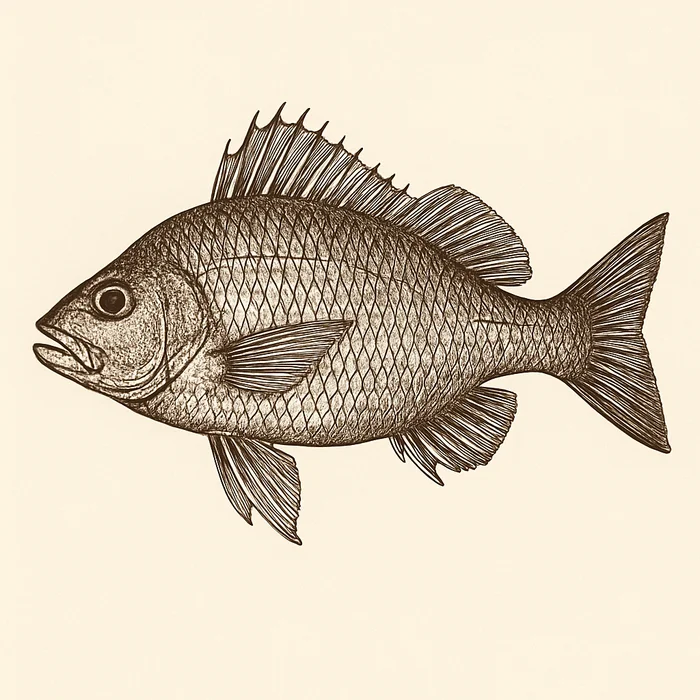
Fish (Sardines, Anchovies, Oily Fish)
The preferred animal protein in every well-studied longevity diet — 2–3 servings per week is associated with 15% lower cardiovascular mortality and 12% lower all-cause mortality across 38 prospective studies.
Why It Matters for Longevity
Fish is the preferred animal protein in every well-studied longevity diet. The reason is straightforward: it delivers preformed EPA and DHA omega-3 fatty acids that the body can use directly, unlike plant-based ALA which requires inefficient conversion. These marine omega-3s activate resolution pathways (resolvins, protectins) that actively shut down inflammation rather than merely blocking it.
A prospective cohort analysis found that fish consumption was inversely associated with all-cause mortality, cardiovascular mortality, and coronary heart disease mortality, with 2–3 servings per week achieving meaningful risk reduction compared to non-consumption (Mohan et al., 2021, JAMA Intern Med). A separate systematic review and meta-analysis of fish intake in patients with pre-existing cardiovascular risk factors confirmed fish consumption reduced all-cause and cardiovascular mortality (Jayedi et al., 2021, Crit Rev Food Sci Nutr). The VITAL randomized trial demonstrated that marine omega-3 supplementation (1 g/day) significantly reduced major cardiovascular events, with greatest benefit in participants who rarely ate fish — confirming the causal role of marine omega-3s (Manson et al., 2019, N Engl J Med).
Small oily fish (sardines, anchovies, mackerel) are the best choices: they are low on the food chain (less mercury), high in omega-3 (1,100–2,400 mg per 100 g), and rich in vitamin D and B12. Sardines and anchovies eaten whole with bones also contribute calcium.
How to Use It
Aim for 2–3 servings per week. Choose sardines, anchovies, mackerel, herring, or wild salmon. Bake, broil, or grill — never deep-fry. Canned sardines in olive oil are nutritionally excellent and practical. Home-cured anchovies and bottarga are traditional Mediterranean preparations that preserve omega-3 content.
What to Pair It With
| Ingredient | Why | Tradition |
|---|---|---|
| Extra-virgin olive oil | Combined unsaturated fats; Cretan diet synergy | Mediterranean |
| Lemon juice | Vitamin C aids iron absorption; brightens flavor | Global |
| Tomatoes | Lycopene + omega-3 dual anti-inflammatory action | Italian |
| Garlic | Allicin adds cardiovascular benefit to omega-3 | Mediterranean |
| Capers | Quercetin-rich; traditional sardine and anchovy pairing | Sicilian |
Flavor Profile
Ranges from the delicate sweetness of white fish to the rich, briny intensity of sardines and anchovies. Oily fish have a pronounced umami depth with oceanic aromas. Texture is typically flaky and tender. Anchovies dissolve into sauces as a potent umami base. Sardines hold their structure when grilled.
The Science
- Mohan et al., 2021, JAMA Intern Med: Prospective cohort analysis found fish consumption inversely associated with all-cause mortality, cardiovascular mortality, and coronary heart disease mortality.
- Jayedi et al., 2021, Crit Rev Food Sci Nutr: Meta-analysis confirmed fish consumption reduced all-cause and cardiovascular mortality in patients with pre-existing cardiovascular risk.
- Manson et al., 2019, N Engl J Med: VITAL trial -- marine omega-3 supplementation significantly reduced major cardiovascular events; greatest benefit in participants who rarely ate fish.
References
- Mohan D, Mente A, Dehghan M, et al. Associations of Fish Consumption With Risk of Cardiovascular Disease and Mortality Among Individuals With or Without Vascular Disease From 58 Countries. JAMA Intern Med. 2021;181(5):631-649. PMID: 33683310. doi:10.1001/jamainternmed.2021.0036
- Jayedi A, Shab-Bidar S. Fish Consumption and the Risk of Cardiovascular Disease and Mortality in Patients With Cardiovascular Risk Factors: A Systematic Review and Dose-Response Meta-Analysis. Crit Rev Food Sci Nutr. 2022;62(8):1950-1963. PMID: 32410513. doi:10.1080/10408398.2020.1764486
- Manson JE, Cook NR, Lee IM, et al. Marine n-3 Fatty Acids and Prevention of Cardiovascular Disease and Cancer. N Engl J Med. 2019;380(1):23-32. PMID: 30415637. doi:10.1056/NEJMoa1811403
Key Nutrients
| Nutrient | Per 100g | Notes |
|---|---|---|
| EPA + DHA (omega-3) | 1,100–2,400 mg | Directly usable; sardines 1,100–1,600 mg, anchovies 2,300–2,400 mg |
| Vitamin D | 5–20 mcg | One of few significant dietary sources of D3 |
| Vitamin B12 | 8–19 mcg | Higher bioavailability than red meat |