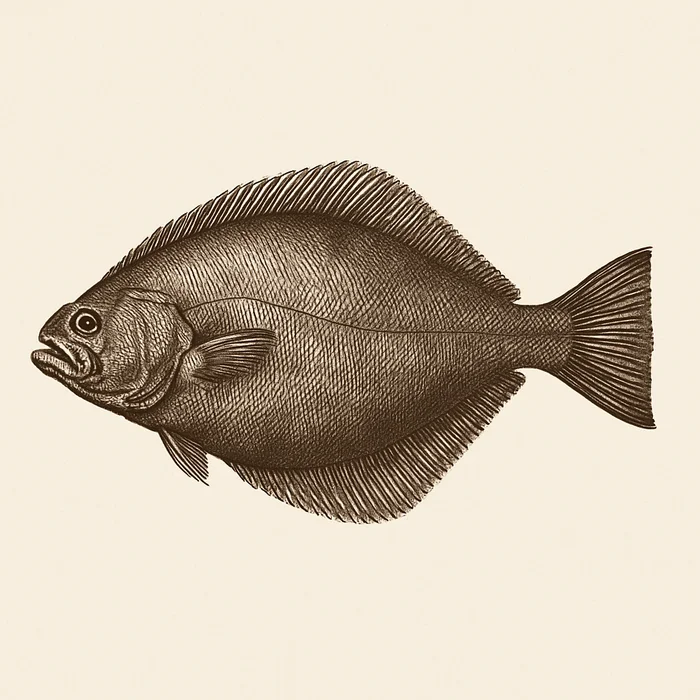
Halibut
A lean white fish providing omega-3 fatty acids (350–880 mg EPA+DHA per 100 g cooked), high-quality complete protein (~23 g/100 g), magnesium, selenium, niacin, and vitamins B6 and B12 — with an important caveat: halibut bioaccumulates methylmercury at concentrations averaging 0.24 ppm, placing it in the FDA/EPA "Good Choices" tier (up to 1 serving/week for pregnant women; up to 2 servings/week for the general population).
Why It Matters for Longevity
Halibut occupies a nuanced position in longevity nutrition. It delivers a meaningful cluster of protective nutrients — lean complete protein, marine omega-3s, magnesium, B vitamins, and selenium — within a low-calorie, low-saturated-fat package. The trade-off is mercury: as a large flatfish, halibut sits several trophic levels above anchovies or sardines, accumulating mercury at roughly 10–15× those species' concentrations. Understanding what halibut specifically contributes — and where its limits lie — is essential to using it intelligently.
1. Protein Quality and Satiety: High DIAAS and Leucine-Driven Anabolism
Halibut delivers approximately 23 g of complete protein per 100 g cooked, with a digestible indispensable amino acid score (DIAAS) comparable to other animal proteins (>1.0 against infant reference patterns). The leucine content of fish protein — a primary trigger for mTORC1-mediated muscle protein synthesis — makes halibut a practical tool against age-related sarcopenia. Leucine activates the mTORC1 pathway upstream of p70S6K and 4E-BP1, initiating translation of contractile proteins; the threshold for robust activation in older skeletal muscle is estimated at 2–3 g leucine per meal, which a 150 g portion of halibut meets.
Fish-derived protein has been investigated as a particularly promising protein source for aging populations. A 2020 narrative review concluded that fish protein hydrolysates, with their well-balanced essential amino acid profiles and high digestibility, hold promise for supporting skeletal muscle anabolism and countering the catabolic trajectory of sarcopenia (Lees & Carson, 2020, Nutrients).
Beyond muscle, halibut protein generates measurable satiety. A crossover RCT in normal-weight men found that a fish-protein lunch produced an 11% lower energy intake at the subsequent evening meal compared with a beef-protein lunch of matched protein content (2,765 vs 3,080 kJ; P<0.01), suggesting a satiating effect beyond caloric equivalence — possibly mediated by differential GLP-1 or CCK secretion (Borzoei et al., 2006, Eur J Clin Nutr). For caloric-restriction strategies that target fat loss while preserving lean mass, lean fish protein is mechanistically well suited.
2. Omega-3 Contribution in Context: Modest but Additive
Halibut provides 350–880 mg EPA+DHA per 100 g cooked, substantially less than oily fish (salmon: ~2,000–2,500 mg; sardines: ~1,400 mg) but meaningfully more than chicken or red meat. The American Heart Association target for secondary cardiovascular prevention is 1 g combined EPA+DHA per day — a 150 g halibut portion contributes roughly half that target.
The cardiovascular case for marine omega-3 is now supported by randomized trial evidence. The VITAL trial randomized 25,871 participants to 1 g/day marine omega-3 vs. placebo and found a significant 28% reduction in myocardial infarction (HR 0.72, 95% CI 0.59–0.90), confirming a causal protective effect rather than a confounding artifact of healthy dietary patterns (Manson et al., 2019, N Engl J Med). Mechanistically, EPA and DHA reduce hepatic VLDL triglyceride secretion, decrease platelet aggregation, suppress pro-inflammatory eicosanoid synthesis via competitive inhibition of arachidonic acid pathways, and modulate cardiac membrane ion channel kinetics to reduce arrhythmia susceptibility.
At population scale, fish consumption — including lean white fish — associates with dose-dependent reductions in cardiovascular and all-cause mortality. An analysis spanning 58 countries and >190,000 participants found fish intake inversely associated with both cardiovascular and all-cause mortality, with dose-response relationships apparent even at moderate consumption frequencies (Mohan et al., 2021, JAMA Intern Med). Halibut's omega-3 contribution is additive within this framework, even if it cannot replace higher-omega-3 species as a primary source.
3. B Vitamin Profile: Niacin, B6, and B12 in Cardiovascular and Neurological Function
Per 100 g cooked, halibut provides approximately 8 mg niacin (NE), 0.55 mg vitamin B6, and 1.1 mcg vitamin B12. A 150 g portion covers ~60–65% of the RDA for niacin, ~45% for B6, and ~55% for B12. These three B vitamins operate in converging metabolic pathways relevant to longevity.
Niacin (B3) is a precursor to NAD⁺ and NADP⁺, coenzymes central to mitochondrial electron transport, poly-ADP-ribose polymerase (PARP)-mediated DNA repair, and sirtuin deacetylase activity — pathways that sit at the intersection of cellular energy metabolism and aging biology. Dietary niacin from whole foods avoids the flushing and hepatotoxicity associated with pharmacological niacin doses.
Vitamin B6 (pyridoxine) is a cofactor in over 100 enzymatic reactions including transamination, the methionine cycle, and serotonin/dopamine synthesis. B12 is essential for remethylation of homocysteine to methionine and for maintaining myelin integrity via methylmalonyl-CoA mutase. Elevated plasma homocysteine — resulting from insufficient B6, B9, or B12 — is independently associated with cardiovascular disease, cognitive decline, and peripheral neuropathy. A 2021 meta-analysis confirmed that B-vitamin supplementation significantly reduces homocysteine and yields an 11% reduction in combined risk of stroke, myocardial infarction, and vascular death in high-risk patients (Zhao et al., 2021, Front Nutr). Obtaining B6 and B12 through whole-food sources like halibut provides these co-factors within a matrix of complementary nutrients rather than in isolation.
4. Magnesium Content and CVD Mortality Data
Halibut provides approximately 28–32 mg magnesium per 100 g cooked — roughly 7–8% of the adult RDA per serving. Magnesium is a cofactor for over 300 enzymatic reactions including ATP synthesis, DNA replication, RNA transcription, and membrane stabilization. In cardiovascular physiology, adequate intracellular magnesium supports normal vascular smooth muscle relaxation, inhibits calcium-mediated vasoconstriction, and helps maintain resting membrane potential in cardiomyocytes, reducing susceptibility to arrhythmia.
Epidemiological data linking dietary magnesium intake to cardiovascular outcomes are substantial. A 2016 dose-response meta-analysis of 40 prospective cohort studies (>1 million participants) found that each 100 mg/day increment in dietary magnesium was associated with a 22% reduction in heart failure risk (RR 0.78, 95% CI 0.69–0.89), a 7% reduction in stroke risk (RR 0.93, 95% CI 0.89–0.97), and a 10% reduction in all-cause mortality (RR 0.90, 95% CI 0.81–0.99) (Fang et al., 2016, BMC Medicine). A subsequent 2021 systematic review of 19 studies (1.16 million participants) confirmed the all-cause mortality association (6% reduction per 100 mg/day dietary magnesium; P<0.05) and found a significant 5% reduction in cancer mortality (Bagheri et al., 2021, Adv Nutr).
Halibut does not deliver magnesium at the doses investigated in these meta-analyses (100 mg/day increment), but as a component of a diet spanning multiple magnesium-containing foods, its contribution (55–65 mg per 150 g portion) is meaningfully additive. The broader lesson from the literature is that population-level magnesium deficiency — estimated to affect 45–50% of Americans — is a modifiable cardiovascular risk factor, and animal-food sources like halibut deliver magnesium alongside protein and other co-nutrients that support absorption.
5. Cognitive Health: Fish Consumption and Dementia Prevention
The epidemiological evidence connecting regular fish consumption to lower dementia risk has strengthened considerably. A 2024 updated dose-response meta-analysis synthesized 35 observational studies (total N ~849,000 individuals) and found:
- Cognitive impairment/decline: RR 0.82 (95% CI 0.75–0.90) for highest vs. lowest fish consumption categories
- Dementia: RR 0.82 (95% CI 0.73–0.93)
- Alzheimer's disease: RR 0.80 (95% CI 0.67–0.96)
- Dose-response: risk continued to decline at intakes up to 150 g/day, reaching RR 0.70 (95% CI 0.52–0.95) at that intake level
(Godos et al., 2024, Aging Clin Exp Res)
The proposed mechanisms are multiple and likely synergistic: DHA is the dominant polyunsaturated fatty acid in neuronal membranes and synaptic vesicles, where it modulates membrane fluidity and supports neurotransmitter receptor function; EPA suppresses neuroinflammatory signaling through competitive prostaglandin/leukotriene inhibition; B12 and B6 from fish protein lower circulating homocysteine, reducing oxidative stress on cerebrovascular endothelium; and selenium (45 mcg per 100 g in halibut — ~82% RDA) supports glutathione peroxidase activity, a key antioxidant defense in neuronal tissue. Halibut delivers all four of these neuroprotective components simultaneously.
6. Mercury Context and Safe Consumption Frequency
Halibut's average methylmercury concentration is 0.24 ppm (µg/g wet weight) based on FDA monitoring data — well below the FDA action level of 1.0 ppm, but approximately 10× higher than sardines (~0.013 ppm) and 6× higher than salmon (~0.022 ppm). The FDA/EPA joint guidance classifies halibut as a "Good Choices" species: adults can consume up to 2 servings (226 g total) per week; pregnant women and children are advised to limit consumption to 1 serving per week from this category and prioritize "Best Choices" species.
Methylmercury is a neurotoxin with particular developmental risk for fetuses and young children, as it crosses the placenta and blood-brain barrier and interferes with neuronal migration during critical developmental windows. For adults without pregnancy or pediatric concerns, the calculus is different: at 1–2 servings per week, the nutritional benefits of halibut substantially outweigh the mercury risk for most individuals. The selenium co-present in halibut (45 mcg/100 g) may partially offset mercury toxicity via selenomercury complex formation, reducing bioavailability of methylmercury to brain tissue — though this interaction should not be used to justify higher consumption than guidelines recommend.
The practical recommendation: use halibut as one component of a varied fish diet. Alternate with low-mercury, high-omega-3 species (sardines, mackerel, anchovies, wild salmon) to maximize benefit while minimizing cumulative mercury exposure.
How to Use It
Limit to 1–2 servings per week due to moderate mercury content. Prefer lower-mercury alternatives (sardines, anchovies, salmon) when possible. Bake or grill with olive oil, lemon, and capers. Halibut is a good alternative for those who find oily fish too intense in flavor, and its firm texture makes it suitable for grilling, roasting, or pan-searing without falling apart.
What to Pair It With
| Ingredient | Why | Tradition |
|---|---|---|
| Lemon | Vitamin C enhances mineral absorption; classic pairing | Mediterranean |
| Extra-virgin olive oil | Provides MUFA and polyphenols; traditional preparation | Mediterranean |
| Capers | Quercetin-rich; traditional white fish pairing | Mediterranean |
| Fennel | Classic Italian pairing with white fish | Italian |
Flavor Profile
Mild, sweet, delicate white flesh. Aroma is clean and oceanic. Texture is firm and meaty with large flakes. Milder than oily fish with no pronounced fishiness. Takes on seasonings readily. Dense enough to grill without falling apart.
The Science
- Godos et al., 2024, Aging Clin Exp Res: Updated dose-response meta-analysis (35 studies, ~849,000 individuals) found fish consumption associated with 18–20% lower risk of cognitive impairment, dementia, and Alzheimer's disease; dose-response plateaued around 150 g/day.
- Mohan et al., 2021, JAMA Intern Med: Fish consumption inversely associated with all-cause mortality and cardiovascular mortality across 58 countries in prospective cohort analysis.
- Bagheri et al., 2021, Adv Nutr: Systematic review of 19 prospective studies (1.16M participants) found dietary magnesium associated with 6% lower all-cause mortality per 100 mg/day increment.
- Fang et al., 2016, BMC Medicine: 40 prospective cohort studies found each 100 mg/day increment in dietary magnesium associated with 22% lower heart failure risk, 7% lower stroke risk, and 10% lower all-cause mortality.
- Zhao et al., 2021, Front Nutr: Meta-analysis of B-vitamin RCTs in stroke patients found 11% reduction in combined cardiovascular events, 13% reduction in stroke; B6+B12 lower homocysteine by ~32%.
- Manson et al., 2019, N Engl J Med: VITAL trial found marine omega-3 (1 g/day) significantly reduced myocardial infarction (HR 0.72), confirming causal cardiovascular benefit of EPA and DHA.
- Lees & Carson, 2020, Nutrients: Review concludes fish-derived protein supports skeletal muscle anabolism in aging via leucine-mTORC1 signaling and favorable amino acid profiles.
- Borzoei et al., 2006, Eur J Clin Nutr: RCT found fish-protein lunch produced 11% lower subsequent energy intake vs. beef-protein (P<0.01), demonstrating superior satiety.
References
- Godos J, Micek A, Currenti W, et al. Fish consumption, cognitive impairment and dementia: an updated dose-response meta-analysis of observational studies. Aging Clin Exp Res. 2024. PMID: 39162889. doi:10.1007/s40520-024-02823-6
- Mohan D, Mente A, Dehghan M, et al. Associations of Fish Consumption With Risk of Cardiovascular Disease and Mortality Among Individuals With or Without Vascular Disease From 58 Countries. JAMA Intern Med. 2021;181(5):631-649. PMID: 33683310. doi:10.1001/jamainternmed.2021.0036
- Bagheri A, Naghshi S, Sadeghi O, Larijani B, Esmaillzadeh A. Total, Dietary, and Supplemental Magnesium Intakes and Risk of All-Cause, Cardiovascular, and Cancer Mortality: A Systematic Review and Dose-Response Meta-Analysis of Prospective Cohort Studies. Adv Nutr. 2021;12(4):1315-1326. PMID: 33684200. doi:10.1093/advances/nmaa163
- Fang X, Wang K, Han D, et al. Dietary magnesium intake and the risk of cardiovascular disease, type 2 diabetes, and all-cause mortality: a dose-response meta-analysis of prospective cohort studies. BMC Medicine. 2016;14(1):210. PMID: 27927203. doi:10.1186/s12916-016-0742-z
- Zhao M, Wang G, Li W, Varma DS, Zhao L. Effect of Vitamin B6, B9, and B12 Supplementation on Homocysteine Level and Cardiovascular Outcomes in Stroke Patients: A Meta-Analysis of Randomized Controlled Trials. Front Nutr. 2021;8:671227. PMID: 34123655. doi:10.3389/fnut.2021.671227
- Manson JE, Cook NR, Lee IM, et al. Marine n-3 Fatty Acids and Prevention of Cardiovascular Disease and Cancer. N Engl J Med. 2019;380(1):23-32. PMID: 30415637. doi:10.1056/NEJMoa1811403
- Lees MJ, Carson BP. The Potential Role of Fish-Derived Protein Hydrolysates on Metabolic Health, Skeletal Muscle Mass and Function in Ageing. Nutrients. 2020;12(9):2575. PMID: 32823615. doi:10.3390/nu12092575
- Borzoei S, Neovius M, Barkeling B, Teixeira-Pinto A, Rössner S. A comparison of effects of fish and beef protein on satiety in normal weight men. Eur J Clin Nutr. 2006;60(7):897-902. PMID: 16482079. doi:10.1038/sj.ejcn.1602393
Key Nutrients
| Nutrient | Per 100g (cooked) | Notes |
|---|---|---|
| EPA + DHA (omega-3) | 350–880 mg | Lower than oily fish; meaningful contribution to weekly marine omega-3 intake |
| Protein | 23 g | Complete protein; high DIAAS; leucine-rich for muscle protein synthesis |
| Magnesium | 28–32 mg | Cofactor for >300 reactions; supports vascular tone and cardiac rhythm |
| Niacin (B3) | ~8 mg NE | NAD⁺ precursor; supports mitochondrial function and DNA repair |
| Vitamin B6 | ~0.55 mg | Methionine cycle cofactor; ~45% RDA per 100 g |
| Vitamin B12 | ~1.1 mcg | Homocysteine remethylation; myelin synthesis; ~46% RDA per 100 g |
| Selenium | ~45 mcg | Glutathione peroxidase cofactor; ~82% RDA per 100 g |
| Methylmercury | ~0.24 ppm avg | FDA "Good Choices" tier; max 2 servings/week (adults); 1 serving/week (pregnant) |