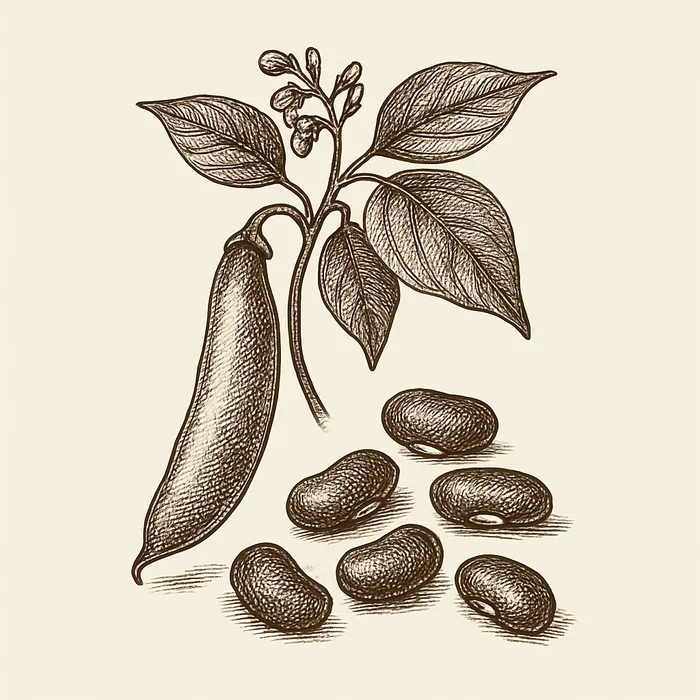
Red Beans
Red beans are listed in the Longevity Diet as a calcium source (25 mg per 1/2 cup cooked, ~3% DV) and a plant protein source, recommended at approximately 1/2 cup cooked per serving. As legumes, they are a longevity-associated food across all documented centenarian populations.
Why It Matters for Longevity
Legumes including red beans are among the most consistent longevity foods across Blue Zone populations. They provide plant protein, fiber, folate, resistant starch, and polyphenols — a combination that supports gut microbiome diversity, blood sugar regulation, cardiovascular protection, and reduced all-cause mortality. Red varieties are particularly rich in anthocyanins and proanthocyanidins in their seed coats.
Legume consumption 4+ times per week was associated with 22% lower coronary heart disease risk in 9,632 US adults followed in the NHANES I Epidemiologic Follow-up Study, supporting legumes — including red beans — as a core longevity food (Bazzano et al., 2001, Arch Intern Med).
Nutritional and health benefits of dried beans include plant protein (complete when combined with grains), prebiotic fiber, resistant starch, folate, and bioactive compounds that support gut health and metabolic disease prevention (Messina, 2014, Am J Clin Nutr).
Legume consumption was inversely associated with type 2 diabetes incidence in adults in a prospective study meta-analysis, with each 100 g/day increment in legume intake associated with a 5% reduction in T2D risk (Becerra-Tomás et al., 2018, Clin Nutr).
How to Use It
Use 1/2 cup cooked per serving in soups, stews, and grain bowls. Combine with rice or other grains for complete amino acid profiles. Soak dried beans overnight and cook from scratch to retain maximum nutrient density; canned beans are an acceptable convenience option.
What to Pair It With
| Ingredient | Why | Tradition |
|---|---|---|
| Rice | Classic complementary protein pairing; together provide complete essential amino acid profile | Latin American / Asian |
| Garlic | Garlic fructooligosaccharides complement bean fiber for gut microbiome diversity | Mediterranean |
| Cumin | Classic aromatic; complementary phytonutrients | Latin American / Middle Eastern |
| Peppers | Vitamin C enhances non-heme iron absorption from beans | General |
Flavor Profile
Taste: mildly sweet, earthy, nutty, subtly floral (adzuki). Aroma: mild bean aroma, slightly sweet when cooked. Texture: soft when cooked, slightly firm skin, creamy interior. Category: cooked legume.
The Science
- Bazzano et al., 2001, Arch Intern Med: Legume consumption 4+ times per week associated with 22% lower coronary heart disease risk in the NHANES I follow-up study of 9,632 US adults.
- Messina, 2014, Am J Clin Nutr: Dried beans provide plant protein, prebiotic fiber, resistant starch, folate, and bioactive compounds supporting gut health and metabolic disease prevention.
- Becerra-Tomás et al., 2018, Clin Nutr: Legume consumption inversely associated with type 2 diabetes incidence in prospective studies; each 100 g/day increment associated with 5% lower T2D risk.
References
- Bazzano LA, He J, Ogden LG, et al. Legume consumption and risk of coronary heart disease in US men and women: NHANES I Epidemiologic Follow-up Study. Arch Intern Med. 2001;161(21):2573-2578. PMID: 11718588. doi:10.1001/archinte.161.21.2573
- Messina V. Nutritional and health benefits of dried beans. Am J Clin Nutr. 2014;100 Suppl 1:437S-442S. PMID: 24871476. doi:10.3945/ajcn.113.071472
- Becerra-Tomás N, Díaz-López A, Rosique-Esteban N, et al. Legume consumption is inversely associated with type 2 diabetes incidence in adults: A prospective assessment from the PREDIMED-Plus study. Clin Nutr. 2018;37(3):906-913. PMID: 28392166. doi:10.1016/j.clnu.2017.03.015
Key Nutrients
| Nutrient | Per 100g | Notes |
|---|---|---|
| Plant protein | 7.5 g (cooked) | Complete amino acid profile when paired with grains; particularly rich in lysine, a limiting amino acid in cereal grains |
| Anthocyanins + proanthocyanidins | ~100–200 mg (cooked) | Primarily in seed coat; red/purple color intensity is a visual proxy for polyphenol content |
| Folate | 128 mcg (cooked) | Important for DNA methylation and homocysteine metabolism; cooking reduces folate ~40% vs. raw |
| Resistant starch | ~5–6 g (cooked) | Prebiotic effect; increases further when cooked and cooled |