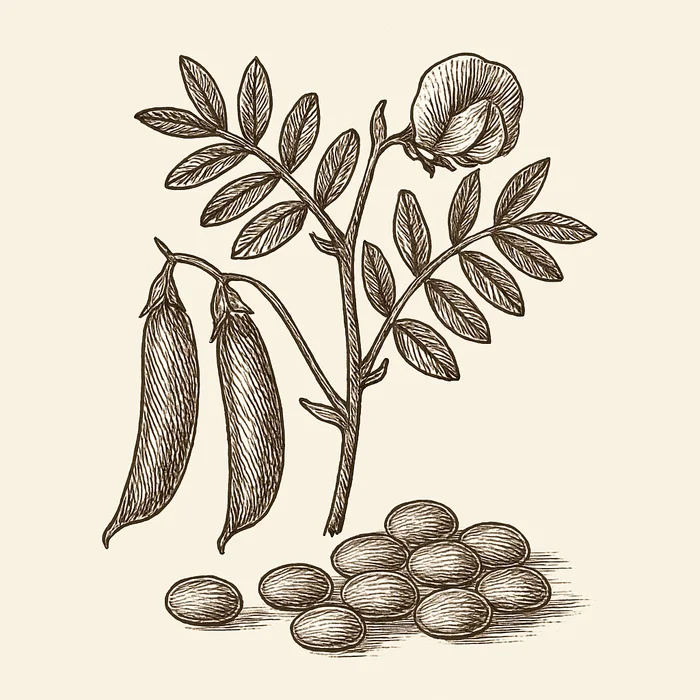
Lentils
The fastest-cooking legume, the highest in polyphenols, and the second highest in protein. Lentils are the weeknight workhorse of every longevity diet.
Why It Matters for Longevity
A meta-analysis by Messina (2014, Am J Clin Nutr) documented the broad cardiovascular and metabolic benefits of daily pulse consumption including lentils: reductions in LDL cholesterol, blood glucose, and blood pressure across multiple trials. A large prospective study (Papandreou et al., 2019, Clin Nutr) confirmed that higher legume consumption is independently associated with lower all-cause, cardiovascular, and cancer mortality. Becerra-Tomás et al. (2018, Clin Nutr) further found legume intake inversely associated with type 2 diabetes incidence in adults at high cardiovascular risk.
Lentils also have the highest phenolic content among common pulses — condensed tannins, flavonols, and hydroxycinnamic acids with demonstrated anti-cancer activity. Darker varieties (green, brown, black) contain the most. One cup cooked delivers 18g protein, 16g fiber (over 50% RDA), and 90% of your daily folate. Replacing starchy carbohydrates with lentils also meaningfully reduces postprandial blood glucose response.
LDL Reduction: The Pulse Meta-Analysis Evidence
A systematic review and meta-analysis of 26 randomized controlled trials enrolling 1,037 participants found that dietary pulse intake — at a median dose of roughly 130 g/day (about one serving) — reduced LDL cholesterol by a mean of 0.17 mmol/L (95% CI: −0.25 to −0.09) compared to control diets (Ha et al., 2014, CMAJ). The effect was independent of baseline LDL levels and held across diverse trial populations. While 0.17 mmol/L is modest in absolute terms, it is clinically meaningful when sustained daily over years. The mechanism involves both soluble fiber binding bile acids in the gut (forcing hepatic cholesterol catabolism) and plant sterols in lentil cell walls that compete with intestinal cholesterol absorption.
Glycemic Index and Insulin Resistance
Lentils have a glycemic index of approximately 27–32 on the glucose scale — among the lowest of any carbohydrate-containing food. In a randomized crossover trial of 48 healthy adults, replacing half the available carbohydrate in a meal with lentils reduced the postprandial glycemic response by approximately 20% when substituted for rice and by approximately 35% when substituted for potato (both p < 0.0001) (Moravek et al., 2018, J Nutr). Both green and split red varieties produced comparable reductions, suggesting the fiber-protein matrix rather than variety-specific starch is the key driver.
The effects extend to longer-term metabolic outcomes. An 8-week randomized clinical trial in 30 metabolically at-risk adults (mean BMI 35.1) found that consuming 300 g/week of cooked green lentils reduced HOMA-IR by 0.9 units (p = 0.03), while 600 g/week reduced it by 1.5 units (p < 0.01) — while the control group's HOMA-IR worsened by 1.2 units over the same period (Wilson et al., 2022, Nutr Res). The dose-response relationship and the divergence from the control group's trajectory suggest a true metabolic effect rather than noise, likely mediated by resistant starch slowing glucose absorption and SCFA-driven improvements in hepatic insulin sensitivity.
Polyphenols: Procyanidins, Quercetin, and Cardioprotection
Lentils are the richest common pulse in phenolic compounds. Catechins and procyanidins (condensed tannins) constitute approximately 69% of the total phenolic content in raw lentils; quercetin glycosides (primarily quercetin 3-O-rutinoside and myricetin 3-O-rhamnoside) are the dominant flavonols. Darker seed coats — green, brown, and black varieties — accumulate substantially more polyphenols than red or yellow lentils, which have had the seed coat removed (Mustafa et al., 2022, Pharmaceuticals).
These compounds work through complementary pathways: procyanidins inhibit LDL oxidation and reduce endothelial inflammation; quercetin inhibits platelet aggregation and modulates NF-κB signaling; phenolic acids (caffeic, ferulic, p-coumaric) scavenge reactive oxygen species. Lentil saponins provide an additional cholesterol-lowering effect by forming non-absorbable complexes with bile acids in the gut. The combined contribution of all three compound classes — polyphenols, saponins, and phytosterols — makes lentils a functionally dense food for cardiovascular risk reduction beyond their fiber content alone.
Resistant Starch and the Gut Microbiome
Lentils contain 2–5% resistant starch (type 3, retrograded after cooking), which escapes digestion in the small intestine and reaches the colon largely intact. There, Bifidobacterium, Lactobacillus, Ruminococcus, and Roseburia species ferment it into short-chain fatty acids — predominantly butyrate, acetate, and propionate. Butyrate is the primary fuel source for colonocytes, maintains intestinal barrier integrity, and suppresses pro-inflammatory NF-κB signaling. Propionate reaches the liver via the portal vein and inhibits cholesterol synthesis. Research in humanized aging murine models confirmed that lentil-derived resistant starch selectively elevated butyrate production and suppressed choline-to-trimethylamine (TMA) conversion — a key pathway linking red meat consumption to elevated cardiovascular risk (Kadyan et al., 2023, Sci Rep). The suppression of TMA conversion is especially notable: it reduces circulating trimethylamine N-oxide (TMAO), which promotes atherosclerosis by stimulating foam cell formation in arterial walls.
How to Use It
Red and yellow lentils cook in 15-20 minutes with no soaking — ideal for quick dal, soups, and stews. Green and brown lentils hold their shape in 25-35 minutes, perfect for salads and grain bowls. French Puy lentils are the most elegant, firm enough to dress without turning to mush.
What to Pair It With
| Ingredient | Why | Tradition |
|---|---|---|
| Brown rice | Complementary amino acids for complete protein | Indian / Middle Eastern (mujaddara) |
| Cumin | Essential spice in dal and lentil soups | Indian / Middle Eastern |
| Tomatoes | Acid brightens earthy lentils | Mediterranean / Indian |
| Lemon juice | Vitamin C dramatically improves iron absorption | Mediterranean |
| Turmeric | Anti-inflammatory synergy; standard in all Indian dal | Indian |
| Spinach | Complementary iron sources (palak dal) | Indian |
Flavor Profile
Earthy, peppery, mild, with a slight sweetness. Aroma is warm and subtle. Texture ranges from firm (green/brown) to creamy (red/yellow).
The Science
- Messina, 2014, Am J Clin Nutr: Comprehensive review of nutritional and health benefits of dried beans/pulses including LDL reduction, glucose control, and cardiovascular risk.
- Papandreou et al., 2019, Clin Nutr: Legume consumption associated with lower all-cause, cardiovascular, and cancer mortality in prospective cohort.
- Becerra-Tomás et al., 2018, Clin Nutr: Legume intake inversely associated with type 2 diabetes incidence in high-cardiovascular-risk adults.
- Ha et al., 2014, CMAJ: Meta-analysis of 26 RCTs (1,037 participants); one serving of pulses/day reduced LDL by 0.17 mmol/L; mechanism involves soluble fiber binding bile acids and plant sterol competition with cholesterol absorption.
- Moravek et al., 2018, J Nutr: Randomized crossover trial (n=48); replacing half of rice carbohydrate with lentils reduced postprandial glucose AUC by ~20%; replacing potato by ~35% (p < 0.0001 for both).
- Wilson et al., 2022, Nutr Res: 8-week RCT (n=30 metabolically at-risk adults); 600 g/week lentils reduced HOMA-IR by 1.5 units (p < 0.01) while controls worsened; dose-dependent response.
- Mustafa et al., 2022, Pharmaceuticals: Catechins and procyanidins comprise ~69% of lentil phenolic content; quercetin glycosides are the dominant flavonols; darker varieties contain the most; saponins provide additional cholesterol-lowering via bile acid complexation.
- Kadyan et al., 2023, Sci Rep: Lentil resistant starch elevated butyrate production and suppressed choline-to-TMA conversion in aged humanized murine model, reducing TMAO precursor load.
References
- Messina V. Nutritional and health benefits of dried beans. Am J Clin Nutr. 2014;100(Suppl 1):437S-442S. PMID: 24871476. doi:10.3945/ajcn.113.071472
- Papandreou C, Becerra-Tomás N, Bulló M, et al. Legume consumption and risk of all-cause, cardiovascular, and cancer mortality in the PREDIMED study. Clin Nutr. 2019;38(1):348-356. PMID: 29352655. doi:10.1016/j.clnu.2017.12.019
- Becerra-Tomás N, Díaz-López A, Rosique-Esteban N, et al. Legume consumption is inversely associated with type 2 diabetes incidence in adults: A prospective assessment from the PREDIMED-Plus study. Clin Nutr. 2018;37(3):906-913. PMID: 28392166. doi:10.1016/j.clnu.2017.03.015
- Ha V, Sievenpiper JL, de Souza RJ, et al. Effect of dietary pulse intake on established therapeutic lipid targets for cardiovascular risk reduction: a systematic review and meta-analysis of randomized controlled trials. CMAJ. 2014;186(8):E252-E262. PMID: 24710915. doi:10.1503/cmaj.131727
- Moravek D, Duncan AM, VanderSluis LB, et al. Carbohydrate Replacement of Rice or Potato with Lentils Reduces the Postprandial Glycemic Response in Healthy Adults in an Acute, Randomized, Crossover Trial. J Nutr. 2018;148(4):535-541. PMID: 29659967. doi:10.1093/jn/nxy018
- Wilson SMG, Peterson EJ, Gaston ME, Kuo WY, Miles MP. Eight weeks of lentil consumption attenuates insulin resistance progression without increased gastrointestinal symptom severity: A randomized clinical trial. Nutr Res. 2022;106:12-22. PMID: 36122501. doi:10.1016/j.nutres.2022.07.006
- Mustafa AM, Abouelenein D, Acquaticci L, et al. Polyphenols, Saponins and Phytosterols in Lentils and Their Health Benefits: An Overview. Pharmaceuticals (Basel). 2022;15(10):1225. PMID: 36297337. doi:10.3390/ph15101225
- Kadyan S, Park G, Wang B, Singh P, Arjmandi B, Nagpal R. Resistant starches from dietary pulses modulate the gut metabolome in association with microbiome in a humanized murine model of ageing. Sci Rep. 2023;13(1):10566. PMID: 37386089. doi:10.1038/s41598-023-37300-3
Key Nutrients
| Nutrient | Per 100g (cooked) | Notes |
|---|---|---|
| Protein | 9.0 g (25-27% dry weight) | High in lysine; combine with grains for complete profile |
| Fiber | 7.9 g | One cup = 16g; mix of soluble, insoluble, and resistant starch (2-5%) |
| Folate (B9) | 181 mcg (45% RDA) | One of the richest food sources; fuels MTHFR-homocysteine pathway |
| Iron | 3.3 mg | Non-heme; add lemon or tomatoes to boost absorption |
| Polyphenols | Variable; dark varieties highest | Catechins + procyanidins ~69% of phenolic content; quercetin glycosides dominant flavonols |