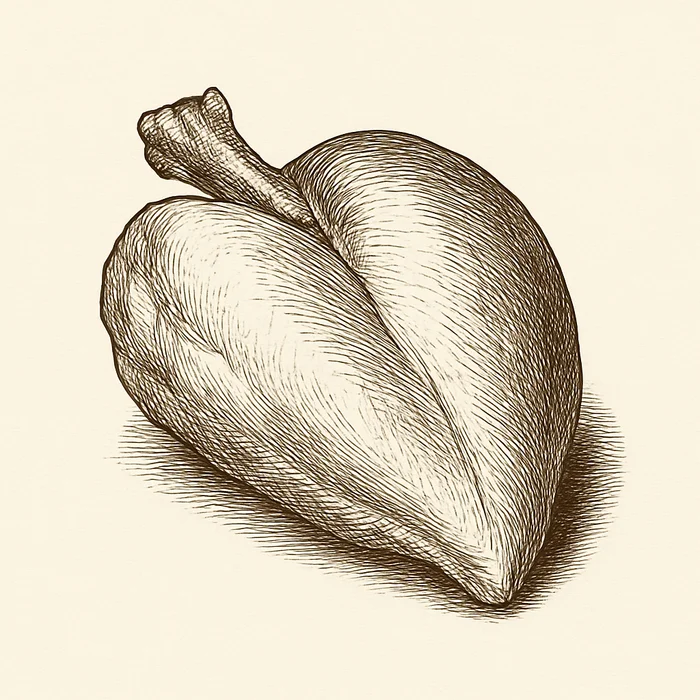
White Meat
White meat (chicken, poultry) is excluded from the core Longevity Diet and associated with elevated IGF-1 when consumed as a primary protein source.
Why It Matters for Longevity
White meat is nutritionally adequate but mechanistically problematic as a longevity food. The concern is not saturated fat — white meat is low in it — but rather the branched-chain amino acid content (especially leucine), which robustly activates mTORC1 and IGF-1 signaling pathways associated with accelerated aging in model organisms.
Levine et al. (2014) analyzed 6,381 adults in NHANES and found that people aged 50–65 with high animal protein intake (including poultry) had a 4× increased risk of cancer mortality and 2× increased all-cause mortality over 18 years compared to low animal protein consumers. Critically, this association disappeared or reversed in those over 65, consistent with Longo's age-stratified recommendation: restrict animal protein 50–65, increase after 65 to prevent sarcopenia.
Dinu et al.'s (2017) meta-analysis of 86 observational and 10 cohort studies found that plant-based dietary patterns are associated with significantly lower BMI, LDL cholesterol, and blood glucose — and lower cardiovascular and cancer mortality — compared to omnivore diets. This supports the Longevity Diet's legume + fish protein model over white meat.
Traditional longevity populations (Okinawans, Sardinians) consumed ~10× less poultry than Americans while maintaining exceptional protein intake through legumes, fish, and small amounts of pork on rare occasions.
How to Use It
Pairs well with lemon, rosemary, garlic. Use as a meat in your daily meals according to the Longevity Diet guidelines. If consuming poultry after age 65 for muscle preservation, pair with legumes and vegetables to mitigate mTOR activation.
What to Pair It With
| Ingredient | Why | Tradition |
|---|---|---|
| lemon | See synergies | Classic Mediterranean roasted chicken preparation |
| rosemary | See synergies | Pollo al rosmarino |
| garlic | See synergies | Universal pairing for poultry |
| legumes | See synergies | Longevity Diet substitution: legumes as primary protein replacing white meat |
Synergies
- Legumes (antagonism): Legumes are the recommended protein replacement for white meat in the Longevity Diet. Legumes provide comparable protein with significantly lower mTOR/IGF-1 activation, additional fiber, and longevity-associated micronutrients.
- Fish (antagonism): Fish is the preferred animal protein in the Longevity Diet over white meat; fish provides omega-3, vitamin B12, and vitamin D that poultry lacks, with a better longevity risk-benefit profile.
Flavor Profile
Taste: mild, savory, clean, neutral. Aroma: roasted, savory, subtle. Texture: lean, firm, tender when cooked properly. Category: protein / main.
The Science
- Levine et al., 2014, Cell Metab: NHANES cohort (n=6,381): high animal protein intake in ages 50–65 associated with 4× higher cancer mortality and 2× all-cause mortality; risk reversed in >65, consistent with age-stratified protein recommendations.
- Dinu et al., 2017, Crit Rev Food Sci Nutr: Systematic review and meta-analysis: vegetarian and vegan diets associated with significantly lower BMI, LDL, glucose, and reduced cardiovascular and cancer mortality compared to omnivore diets.
References
- Levine ME, Suarez JA, Brandhorst S, et al. Low protein intake is associated with a major reduction in IGF-1, cancer, and overall mortality in the 65 and younger but not older population. Cell Metab. 2014;19(3):407-17. PMID: 24606898. doi:10.1016/j.cmet.2014.02.006
- Dinu M, Abbate R, Gensini GF, Casini A, Sofi F. Vegetarian, vegan diets and multiple health outcomes: A systematic review with meta-analysis of observational studies. Crit Rev Food Sci Nutr. 2017;57(17):3640-3649. PMID: 26853923. doi:10.1080/10408398.2016.1138447
Key Nutrients
| Nutrient | Per 100g | Notes |
|---|---|---|
| Complete protein | ~31 g per 100 g chicken breast (cooked) | High digestibility corrected amino acid score (DIAAS ~1.08); all essential amino acids present. Leucine content (~2.7 g per 100 g) is the primary mTOR-activating concern. |
| Niacin (B3) | ~14.8 mg per 100 g cooked chicken breast (74% DV) | Chicken is one of the best dietary sources of niacin; supports NAD+ synthesis and DNA repair pathways relevant to longevity. |
| Selenium | ~27 mcg per 100 g cooked chicken breast (49% DV) | Selenomethionine form from meat is highly bioavailable; selenium is essential for glutathione peroxidase and thyroid hormone metabolism. |