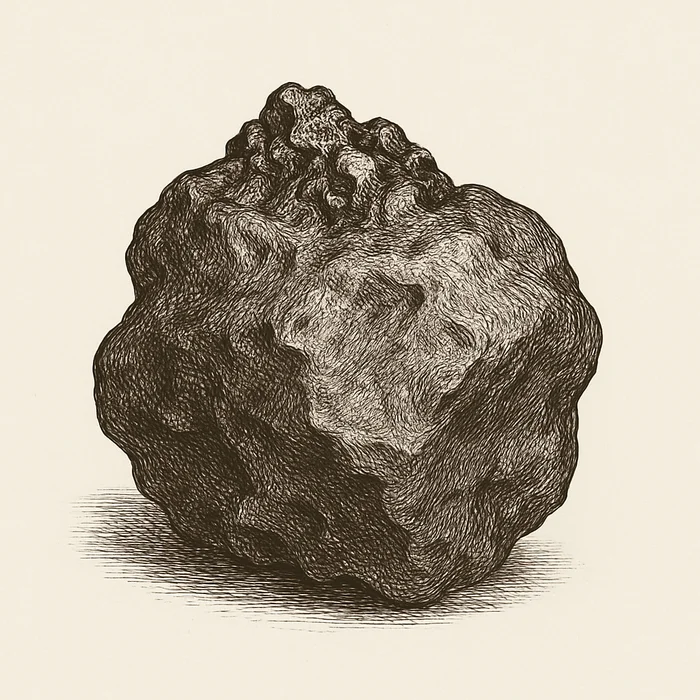
Iron
Iron is important for normal immune function. Ensure adequate intake, especially in plant-based diets where non-heme iron absorption is lower.
Why It Matters for Longevity
Iron is essential for red blood cell hemoglobin synthesis and immune cell proliferation; deficiency impairs lymphocyte and neutrophil function, increasing infection susceptibility. Plant-based longevity diets rely primarily on non-heme iron, which has significantly lower bioavailability (2–20%) than heme iron from meat (15–35%) — making dietary strategy for iron absorption critical.
Iron deficiency is the most common nutritional deficiency worldwide; even mild iron deficiency without overt anemia impairs immune function, cognitive performance, and physical work capacity across all age groups (DeLoughery, 2017, Med Clin North Am).
Vitamin C dramatically enhances non-heme iron absorption — reducing ferric iron (Fe³⁺) to the more bioavailable ferrous form (Fe²⁺) and chelating iron into soluble complexes. This is the primary dietary strategy for iron adequacy on plant-forward longevity diets, with 50 mg vitamin C increasing non-heme iron absorption 3–6 fold (Lane and Richardson, 2014, Free Radic Biol Med).
Critically, iron balance follows a U-shaped curve for longevity: high body iron stores (serum ferritin >200 ng/mL) increase oxidative stress through Fenton chemistry and are associated with elevated type 2 diabetes risk, reinforcing that the goal is adequacy rather than maximization (Rajpathak et al., 2009, Biochim Biophys Acta).
Heme vs. Non-Heme Iron: Mechanisms and Clinical Evidence
The mechanistic distinction between heme and non-heme iron matters for dietary strategy. Non-heme iron must first be reduced by duodenal cytochrome b from ferric (Fe³⁺) to ferrous (Fe²⁺) form before transport across the apical membrane via divalent metal transporter 1 (DMT-1). Heme iron, by contrast, enters enterocytes intact via a separate, largely uncharacterized transporter — bypassing the reduction step and most dietary inhibitors. This explains why non-heme iron absorption is blocked by phytates (in legumes and grains), tannins (in tea and coffee), and calcium, while heme iron absorption is not.
A 2024 systematic review and meta-analysis of randomized controlled trials confirmed the absorption differential and found that children with iron-deficiency anemia showed a mean hemoglobin increase of ~1 g/dL greater with heme iron versus non-heme iron, with a 38% relative risk reduction in total gastrointestinal side effects. Evidence certainty was rated very low due to small trial sizes, but the mechanistic differences are well-established (Gallo Ruelas et al., 2024, Eur J Nutr).
For practical plant-based eating, this means that the ~2–20% absorption range for non-heme iron is not fixed: pairing iron sources with vitamin C, avoiding co-ingestion of tea/coffee, and soaking or fermenting legumes to reduce phytate content can move absorption toward the upper end of that range.
Iron Overload: The Upper Boundary
Excess iron is not benign. Free iron participates in the Fenton reaction (Fe²⁺ + H₂O₂ → Fe³⁺ + •OH + OH⁻), generating hydroxyl radicals that damage DNA, lipids, and proteins. Unlike most micronutrients, the body has no active excretion mechanism for iron; once absorbed, removal depends on blood loss or phlebotomy.
The clearest human evidence comes from hereditary hemochromatosis (HFE gene mutations), where unregulated iron absorption leads to progressive organ iron deposition. In a cohort of 1,085 C282Y homozygotes followed for over 8 years, patients with serum ferritin ≥2,000 µg/L showed dramatically elevated liver-related mortality (standardized mortality ratio 23.9; 95% CI 13.9–38.2) and hepatic cancer risk (SMR 49.1). By contrast, patients with serum ferritin in the normal-to-1,000 µg/L range had lower all-cause mortality than the general population — driven by reduced cardiovascular and extrahepatic cancer deaths — suggesting that mild iron sufficiency is protective while iron excess is harmful (Bardou-Jacquet et al., 2015, J Hepatol).
In population studies not selected for hemochromatosis, serum ferritin is a less reliable biomarker than often assumed: ferritin is also an acute-phase reactant that rises with inflammation independent of iron stores, making it a poor standalone marker. Transferrin saturation provides a more mechanistically specific signal of iron-loading status.
Absorption Inhibitors and Timing
Several dietary factors substantially reduce non-heme iron absorption and should be separated from iron-rich meals by at least one hour:
- Tannins (tea, coffee, red wine): polyphenols bind non-heme iron in the gut lumen, forming insoluble complexes. A single cup of tea can reduce iron absorption by 50–60%.
- Phytate (bran, legumes, seeds): chelates iron; neutralized by soaking, sprouting, or fermentation.
- Calcium (dairy, calcium-set tofu): competes with iron at the DMT-1 transporter; effect is dose-dependent, meaningful above ~300 mg calcium per meal.
- Polyphenols (wine, some vegetables): structurally similar inhibitory mechanism to tannins.
Conversely, meat factor (MFP) — a still-uncharacterized fraction of animal muscle — enhances non-heme iron absorption even from plant foods consumed in the same meal, which complicates pure plant-based iron strategies.
How to Use It
Consume plant iron sources (legumes, leafy greens, fortified grains) alongside vitamin C-rich foods (lemon juice, tomatoes, peppers) at the same meal. Avoid tea, coffee, and calcium-rich foods during iron-rich meals as these inhibit absorption. Serum ferritin 20–100 ng/mL is considered optimal for longevity. Get ferritin checked every 2–3 years if following a plant-heavy diet; post-menopausal women and men rarely develop deficiency but may benefit from periodic monitoring given the absence of menstrual losses.
What to Pair It With
| Ingredient | Why | Tradition |
|---|---|---|
| Lemon | Vitamin C from lemon increases non-heme iron absorption 3–6 fold | The Longevity Diet |
| Kidney beans | Plant-based iron source; pairs with lemon for optimized absorption | The Longevity Diet |
| Lentils | Rich plant iron source; vitamin C co-ingestion essential | The Longevity Diet |
| Mussels | Heme iron source with high bioavailability; complements plant iron | Traditional |
Flavor Profile
Category: micronutrient.
The Science
- DeLoughery, 2017, Med Clin North Am: Iron deficiency is the most common nutritional deficiency worldwide; even subclinical deficiency impairs immune function, cognitive performance, and physical work capacity.
- Lane and Richardson, 2014, Free Radic Biol Med: Vitamin C reduces ferric to ferrous iron and chelates iron into soluble complexes; 50 mg ascorbic acid increases non-heme iron absorption 3–6 fold — the key dietary strategy for plant-based longevity diets.
- Rajpathak et al., 2009, Biochim Biophys Acta: High body iron stores associated with elevated type 2 diabetes risk in humans, supporting the U-shaped relationship between iron status and metabolic longevity outcomes.
- Gallo Ruelas et al., 2024, Eur J Nutr: Meta-analysis of RCTs — heme iron produces ~1 g/dL greater hemoglobin response in iron-deficient children and 38% fewer GI side effects versus non-heme iron; mechanistic basis in DMT-1-independent absorption pathway confirmed.
- Bardou-Jacquet et al., 2015, J Hepatol: Cohort of 1,085 HFE hemochromatosis patients — serum ferritin ≥2,000 µg/L associated with SMR 23.9 for liver death; ferritin in normal-to-1,000 µg/L range associated with lower-than-population mortality, establishing the protective zone for iron status.
References
- DeLoughery TG. Iron Deficiency Anemia. Med Clin North Am. 2017;101(2):319-332. PMID: 28189173. doi:10.1016/j.mcna.2016.09.004
- Lane DJ, Richardson DR. The active role of vitamin C in mammalian iron metabolism: Much more than just enhanced iron absorption! Free Radic Biol Med. 2014;75:69-83. PMID: 25048971. doi:10.1016/j.freeradbiomed.2014.07.007
- Rajpathak SN, Crandall JP, Wylie-Rosett J, et al. The role of iron in type 2 diabetes in humans. Biochim Biophys Acta. 2009;1790(7):671-681. PMID: 18501198. doi:10.1016/j.bbagen.2008.04.005
- Gallo Ruelas M, Alvarado-Gamarra G, Aramburu A, et al. A comparative analysis of heme vs non-heme iron administration: a systematic review and meta-analysis of randomized controlled trials. Eur J Nutr. 2024. PMID: 39708071.
- Bardou-Jacquet E, Morcet J, Manet G, et al. Decreased cardiovascular and extrahepatic cancer-related mortality in treated patients with mild HFE hemochromatosis. J Hepatol. 2015;62(3):682-689. PMID: 25450707. doi:10.1016/j.jhep.2014.10.013
Key Nutrients
| Nutrient | Per 100g | Notes |
|---|---|---|
| Heme iron (animal sources) | varies | 15–35% absorbed; not inhibited by phytates or calcium; enters via DMT-1-independent pathway |
| Non-heme iron (plant sources) | varies | 2–20% absorbed; enhanced by vitamin C; inhibited by phytates, tannins, calcium; requires duodenal cytochrome b reduction to Fe²⁺ before DMT-1 uptake |
| Ferritin (storage form) | N/A | Serum ferritin 20–100 ng/mL considered optimal; ferritin ≥2,000 µg/L in hemochromatosis cohort associated with SMR 23.9 for liver death |