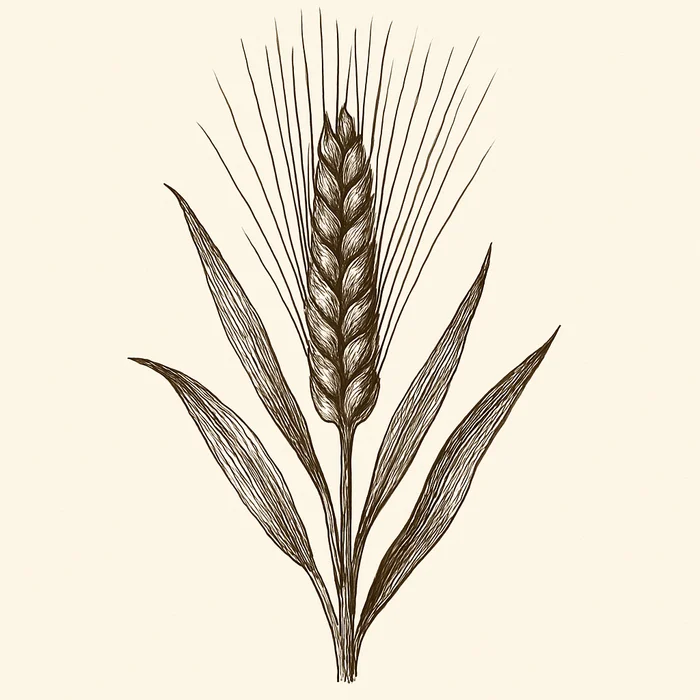
Barley
Barley is one of only two grains (the other being oats) that contain meaningful amounts of beta-glucan -- the soluble fiber that earned an FDA health claim for lowering cholesterol. In a landmark Canadian trial, a food portfolio including barley cut LDL cholesterol by 13%, rivaling statin therapy.
Why It Matters for Longevity
The magic ingredient is beta-glucan, a soluble fiber that forms a viscous gel in your small intestine. That gel physically traps bile acids and cholesterol, forcing your liver to pull LDL from the bloodstream to make more. Hulled barley packs 5-8g of beta-glucan per 100g -- you only need 3g daily to hit the threshold for the FDA-approved cholesterol claim.
A systematic review and meta-analysis (Ho et al., 2016, Eur J Clin Nutr) confirmed the dose-response: barley beta-glucan reliably reduces LDL cholesterol, non-HDL cholesterol, and apolipoprotein B. An EFSA scientific opinion (2011) validated these findings at 3g/day, granting an official EU health claim for barley beta-glucan and LDL reduction -- one of the few foods to earn this.
Beyond cholesterol, barley beta-glucan slows glucose absorption through the same viscous-gel mechanism, reducing both postprandial glucose and insulin responses. For anyone managing blood sugar, barley is a genuinely functional food, not just another carbohydrate.
The broader whole-grain picture is equally compelling. A BMJ meta-analysis of prospective studies (Aune et al., 2016) found that whole grain consumption was associated with reduced risk of cardiovascular disease, cancer, and all-cause mortality in a dose-response pattern. Barley also contains chromium -- some cultivars have ten times more than brewer's yeast -- which plays a role in insulin signalling.
One critical distinction: hulled barley retains its bran and germ, while pearled barley has been stripped of both. Pearling removes much of the beta-glucan, fiber, thiamine, and other B vitamins. Always choose hulled.
Glycemic Control: Beyond Cholesterol
Beta-glucan's viscous-gel mechanism has a second major application: glycemic control. The same physical barrier that traps bile acids also slows glucose absorption from the small intestine, blunting both the glucose and insulin spikes that follow a starchy meal. An earlier meta-analysis of randomized controlled trials (AbuMweis et al., 2010, Eur J Clin Nutr) confirmed that barley products significantly reduced total cholesterol by 0.30 mmol/L and LDL cholesterol by 0.27 mmol/L, establishing the quantitative baseline for the cholesterol-lowering effect and validating the mechanism across different food forms — whole grain barley, barley flour, and isolated beta-glucan concentrate all produced similar results.
For glycemic outcomes, the data from 17 RCTs (212 subjects) showed that barley beta-glucan reduced postprandial glucose area under the curve (G iAUC) by −34.4 min × mmol/L and lowered the glycemic index of test meals by 24.3 units on average, with a parallel reduction in insulin area under the curve of 2,577 min × pmol/L. Hulled barley has a glycemic index of approximately 25–30 — lower than pasta (GI ~45), oats (GI ~55), and brown rice (GI ~68). This is the grain with the lowest GI of any commonly consumed whole cereal.
Gut Microbiome Effects
Beta-glucan is fermented by gut bacteria to produce short-chain fatty acids (SCFAs), particularly butyrate and propionate. In a double-blind RCT (Velikonja et al., 2019, Anaerobe), 43 participants at metabolic risk consumed 6 g/day of barley beta-glucan for four weeks. Propionic acid — the SCFA most directly linked to hepatic cholesterol suppression and appetite regulation via free fatty acid receptor signalling — increased by 43.2% in the treatment group (p = 0.045). Total plasma cholesterol fell significantly (−0.26 mmol/L, p = 0.019). Notably, baseline microbiota predicted response: individuals with higher pre-intervention Bifidobacterium and Akkermansia muciniphila populations showed the greatest cholesterol improvements — consistent with barley beta-glucan acting as a selective prebiotic, shifting the gut ecosystem in a direction that amplifies cardiovascular protection.
This prebiotic dimension is clinically significant. Butyrate and propionate produced from fermented beta-glucan not only suppress hepatic lipogenesis and gluconeogenesis but also activate G-protein coupled receptors (GPR41, GPR43) that increase gut peptide YY and GLP-1 secretion, reinforcing satiety signalling. Barley's position as a longevity food is therefore triangulated from three independent mechanisms: bile acid sequestration, prebiotic SCFA production, and direct viscous blunting of postprandial glucose absorption.
How to Use It
Toast hulled barley in a dry pan until fragrant before simmering in water (1:3 ratio, about 45 minutes). Use it anywhere you would use rice -- risotto, pilaf, grain bowls, or paella. It holds up beautifully in soups and stews without turning to mush. Barley flour works well in bread, adding a nutty, malty character. You can also brew it as barley tea (mugicha), a caffeine-free staple in Japan and Korea.
What to Pair It With
| Ingredient | Why | Tradition |
|---|---|---|
| Mushrooms | Umami depth complements barley's earthy nuttiness | Eastern European (krupnik) |
| Lemon | Acid brightens the grain's malty heaviness | Mediterranean / Middle Eastern |
| Legumes | Complementary amino acids create complete protein | Middle Eastern |
| Extra-virgin olive oil | Fat slows carbohydrate absorption further | Mediterranean |
| Herbs (dill, parsley) | Fresh brightness against chewy grain | Eastern Mediterranean |
Flavor Profile
Nutty and malty with a slight sweetness that deepens when toasted. The texture is plump and chewy -- more substantial than rice, less dense than wheat berries. Hulled barley has an earthy, rustic quality that works equally well in warm winter soups and cold summer salads.
The Science
- Ho et al., 2016, Eur J Clin Nutr: Meta-analysis of 14 RCTs (615 participants) — barley beta-glucan at median 6.5 g/day over 4 weeks reduced LDL cholesterol by 0.25 mmol/L and non-HDL cholesterol by 0.31 mmol/L.
- AbuMweis et al., 2010, Eur J Clin Nutr: Meta-analysis of 11 RCTs — barley products reduced total cholesterol by 0.30 mmol/L and LDL by 0.27 mmol/L regardless of food form (whole grain, flour, or isolated beta-glucan).
- Aune et al., 2016, BMJ: Prospective meta-analysis — whole grain consumption associated with lower CVD, cancer, and all-cause mortality.
- Velikonja et al., 2019, Anaerobe: Double-blind RCT (43 participants, 6 g barley beta-glucan/day, 4 weeks) — propionic acid increased 43.2% (p = 0.045); total cholesterol fell significantly (−0.26 mmol/L, p = 0.019); prebiotic effect enriched Bifidobacterium and Akkermansia.
- EFSA Panel, 2011: Scientific opinion substantiating EU health claim for barley beta-glucan and LDL cholesterol reduction at 3g/day.
References
- Ho HVT, Sievenpiper JL, Zurbau A, et al. A systematic review and meta-analysis of randomized controlled trials of the effect of barley β-glucan on LDL-C, non-HDL-C and apoB for cardiovascular disease risk reduction. Eur J Clin Nutr. 2016;70(11):1236-1245. PMID: 27273067. doi:10.1038/ejcn.2016.41
- AbuMweis SS, Jew S, Ames NP. β-glucan from barley and its lipid-lowering capacity: a meta-analysis of randomized, controlled trials. Eur J Clin Nutr. 2010;64(12):1472-1480. PMID: 20924392. doi:10.1038/ejcn.2010.224
- Aune D, Keum N, Giovannucci E, et al. Whole grain consumption and risk of cardiovascular disease, cancer, and all cause and cause specific mortality: systematic review and dose-response meta-analysis of prospective studies. BMJ. 2016;353:i2716. PMID: 27301975. doi:10.1136/bmj.i2716
- Velikonja A, Lipoglavšek L, Zorec M, et al. Alterations in gut microbiota composition and metabolic parameters after dietary intervention with barley beta glucans in patients with high risk for metabolic syndrome development. Anaerobe. 2019;55:67-77. PMID: 30396006. doi:10.1016/j.anaerobe.2018.10.011
- EFSA Panel on Dietetic Products, Nutrition and Allergies. Scientific Opinion on the substantiation of health claims related to beta-glucans from oats and barley and maintenance of normal blood LDL-cholesterol concentrations. EFSA J. 2011;9(6):2207. PMID: 42016012. doi:10.2903/j.efsa.2011.2471
Key Nutrients
| Nutrient | Per 100g | Notes |
|---|---|---|
| Beta-glucan | 5-8 g (hulled) | FDA health claim at 3g/day; forms viscous gel trapping bile acids |
| Dietary fiber | 17.3 g | Among the highest of any whole grain |
| Chromium | Variable (up to 10x brewer's yeast) | Involved in insulin signaling and glucose metabolism |
| Thiamine (B1) | 0.65 mg (54% RDA) | Lost in pearling; choose hulled barley |
| Selenium | 37.7 mcg (69% RDA) | Cofactor for glutathione peroxidase |