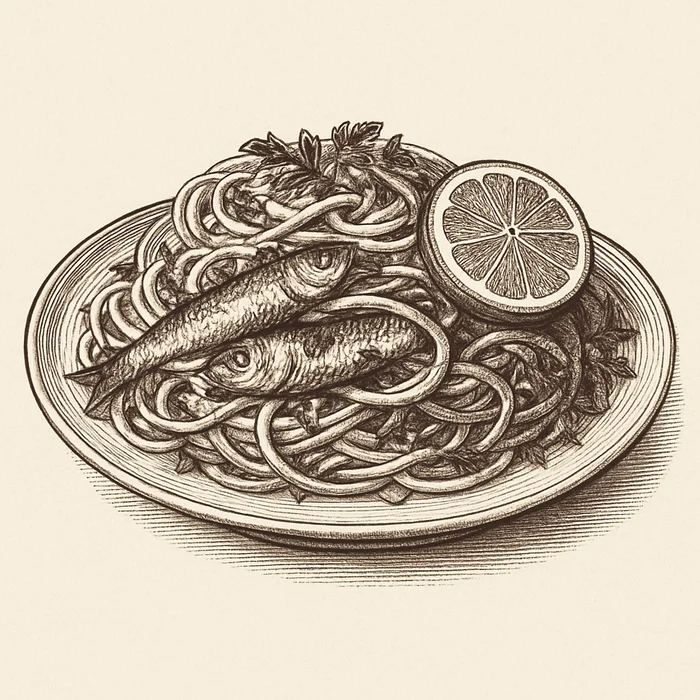
Sardine Spaghetti with Lemon and Olive Oil
A pantry-driven pasta that delivers a serious dose of omega-3 fatty acids alongside oleocanthal from good olive oil -- two anti-inflammatory compounds working through entirely different mechanisms in the same bowl.
Why These Ingredients Together
Sardines are one of the most concentrated food sources of EPA and DHA, the long-chain omega-3 fatty acids that directly reduce inflammatory cytokines like IL-6 and TNF-alpha. Extra-virgin olive oil contributes oleocanthal, a phytochemical that inhibits COX-1 and COX-2 enzymes with a mechanism comparable to low-dose ibuprofen. These two pathways are complementary: the omega-3s dampen inflammatory signaling at the cellular membrane level, while oleocanthal blocks the enzymatic production of prostaglandins downstream. The lemon juice does double duty -- it brightens the dish, and its vitamin C dramatically increases absorption of non-heme iron from both the parsley (which is surprisingly iron-rich) and the whole wheat pasta. Crushing the garlic and letting it rest generates allicin, which adds a third layer of cardiovascular protection through blood pressure reduction.
Ingredients
- 400g whole wheat spaghetti
- 2 tins (240g drained weight) good-quality sardines in olive oil
- 5 tablespoons extra-virgin olive oil
- 6 cloves garlic, thinly sliced (crushed and rested 10 minutes first)
- 1 large lemon, zested and juiced
- 1/2 teaspoon red chilli flakes
- Large handful flat-leaf parsley, roughly chopped
- 1/2 teaspoon flaky sea salt, plus more to taste
- Freshly ground black pepper
Instructions
-
Crush and rest the garlic. Smash the garlic cloves with the flat of your knife, then slice thinly. Set them aside on the cutting board for 10 minutes while you prep everything else. (The enzyme alliinase needs this time to convert alliin into allicin and its stable derivatives. Skipping this step means you get garlic flavor but lose the cardiovascular bioactives.)
-
Cook the pasta in very salty water. Bring a large pot of water to a rolling boil, salt it generously, and cook the spaghetti to one minute short of the package time. Reserve a full cup of starchy pasta water before draining. (Whole wheat pasta has a narrow window between perfectly al dente and mushy -- undercooking by a minute gives you insurance for the pan finish.)
-
Build the sauce while the pasta cooks. In a large, cold skillet, combine the olive oil, rested garlic slices, and chilli flakes. Set the pan over medium-low heat and let everything warm together slowly, about 3-4 minutes, until the garlic is pale gold and fragrant but absolutely not brown. (Starting the garlic in cold oil gives you a much wider window before burning. Gentle heat also preserves more of the heat-stable organosulfur compounds like diallyl disulfide.)
-
Add the sardines. Drain the sardines and add them to the pan. Use a wooden spoon to break them into rough, chunky pieces -- you want some texture, not a paste. Cook for 2 minutes, letting the edges crisp slightly.
-
Bring it all together. Add the drained pasta directly to the skillet along with half the reserved pasta water and all the lemon juice. Toss vigorously over medium heat for 60-90 seconds until the starch, oil, and lemon emulsify into a glossy sauce that clings to the noodles. Add more pasta water if it looks tight. (The starch in the pasta water is the emulsifier here -- it binds the oil and lemon into a cohesive sauce rather than a greasy puddle.)
-
Finish off heat. Remove from the burner. Add the lemon zest, parsley, and a generous amount of black pepper. Toss once more and serve immediately.
What Can Go Wrong
-
Burning the garlic. This is the most common failure mode. If the garlic goes dark brown, it turns acrid and takes the whole dish with it. Use medium-low heat, start in cold oil, and watch it like a hawk. If it starts coloring too fast, pull the pan off the heat entirely.
-
A greasy, broken sauce. If you skip the pasta water or do not toss aggressively enough, you end up with oil sitting on top of noodles rather than coating them. The vigorous tossing and the starch in the water are non-negotiable.
-
Overcooking the sardines. They are already cooked in the tin. You are just warming them through and getting a bit of sear. Two minutes is plenty. Push past that and they turn dry and fishy in the wrong way.
Science Notes
This dish follows a classic Mediterranean diet pattern -- one associated in the PREDIMED trial with significant reductions in cardiovascular events, especially stroke. The dual anti-inflammatory stack of marine omega-3s and oleocanthal represents two of the most evidence-backed food-derived anti-inflammatory compounds. Sardines are also among the lowest-mercury fish available, making them safer for frequent consumption than larger predatory species. The whole wheat pasta contributes meaningful fiber (about 6g per serving), and when combined with the protein from the sardines, produces a meal with a substantially lower glycemic response than refined pasta alone.
Nutrition Highlights
- Omega-3 (EPA + DHA): ~1.5g per serving from sardines, meeting or exceeding the American Heart Association's recommendation for cardiovascular protection
- Oleocanthal: Meaningful dose from 5 tablespoons EVOO split across 4 servings, contributing anti-inflammatory activity comparable to ~10% of a standard ibuprofen dose
- Vitamin C: ~30mg from lemon juice, enough to increase non-heme iron absorption from the parsley and pasta by 2-6x
- Fiber: ~8g per serving from whole wheat pasta, supporting gut microbiome diversity