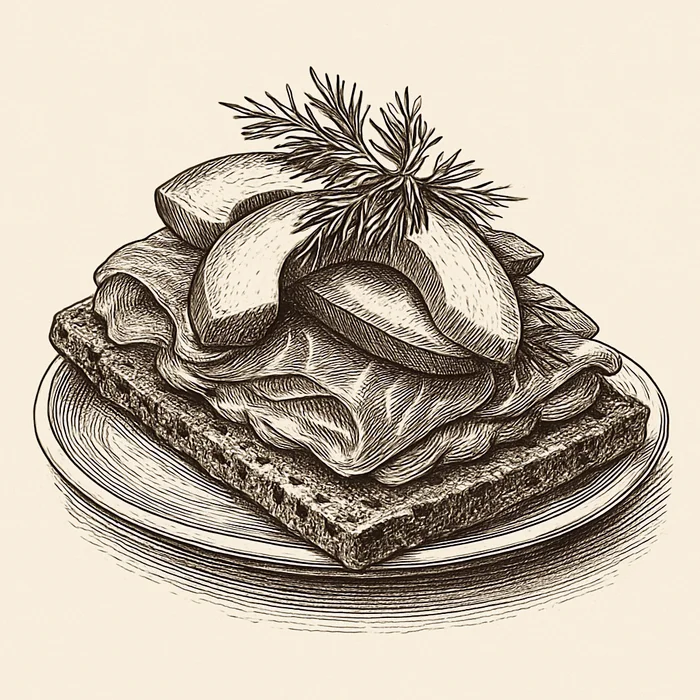
Rye Crispbread with Salmon, Avocado, and Dill
A Scandinavian-Mediterranean crossover that stacks the highest-prebiotic-fiber grain with the most anti-inflammatory fish -- and takes exactly 10 minutes to assemble.
Why These Ingredients Together
Rye is the most fiber-dense grain in regular use: 8-10g of arabinoxylan per 100g, a prebiotic fiber that selectively feeds Bifidobacterium and Lactobacillus populations. Studies show whole rye consumption reduces postprandial insulin by significantly more than equivalent whole wheat, and its alkylresorcinols (unique phenolic compounds) are directly anti-carcinogenic in cell models. The combination of arabinoxylan and beta-glucan in rye creates a viscous gel in the gut that slows glucose absorption and reduces cholesterol uptake simultaneously.
Salmon delivers EPA + DHA at 2-3g per serving in the bioavailable marine form, plus astaxanthin -- the carotenoid responsible for the pink color -- which is the most potent natural antioxidant measured per molecule. Avocado provides monounsaturated fat that serves as a delivery matrix for fat-soluble compounds in both the salmon and rye, and its own oleic acid content moderates inflammation. Lemon's vitamin C stabilizes the omega-3 fats against oxidation and adds brightness that balances the richness.
Ingredients
- 4-6 rye crispbreads (Wasa, Ryvita, or similar)
- 150g smoked or canned salmon, flaked
- 1 ripe avocado, halved and sliced
- 1/2 lemon, juice and zest
- 2 tablespoons extra-virgin olive oil
- Small bunch fresh dill
- 2 tablespoons capers, drained
- Thin red onion slices (optional)
- Black pepper
- Flaky sea salt
Instructions
-
Season the avocado. Slice the avocado and immediately dress with half the lemon juice and a pinch of flaky salt to prevent browning and season it properly.
-
Prepare the salmon. If using canned salmon, drain well and flake gently. If using smoked salmon, tear into rough pieces. Dress with a few drops of lemon juice and black pepper.
-
Assemble the crispbreads. Lay the crispbreads on a board. Layer the avocado slices first -- they act as a cushion that keeps the toppings in place and provides the fat base. Add the salmon on top.
-
Finish and serve. Scatter capers and fresh dill generously. Add red onion if using. Drizzle olive oil over everything. Add lemon zest, a final pinch of flaky salt, and crack black pepper on top.
-
Serve immediately. Rye crispbread softens within a few minutes of being topped with wet ingredients. These are assembled and eaten -- not built ahead.
Variations
- Canned sardines instead of salmon: Even higher omega-3, lower mercury, equally delicious with a squeeze of lemon and a bit of mustard.
- Goat's milk yogurt in place of avocado: A lighter base with probiotic benefit; works beautifully with smoked salmon.
- Mackerel pâté: Blend canned mackerel with lemon juice and a tablespoon of olive oil for a spreadable omega-3 base.
Science Notes
The rye-oily fish combination is one of the most well-supported longevity pairings in Nordic epidemiology. The SMILING study and multiple Scandinavian cohorts consistently find that populations eating rye bread and fatty fish 3+ times per week have significantly lower rates of cardiovascular disease, type 2 diabetes, and colorectal cancer compared to matched populations on wheat-based diets. The mechanisms are distinct and non-overlapping: rye's arabinoxylan reduces glucose and insulin response, while fish omega-3 reduces triglycerides and platelet aggregation through a completely separate pathway involving EPA/DHA's effects on prostaglandin synthesis.
Nutrition Highlights
- Omega-3 (EPA + DHA): ~2.5g per serving from salmon -- full cardioprotective dose
- Arabinoxylan fiber: ~8-10g per 100g rye; highest prebiotic fiber of any grain
- Astaxanthin (salmon): Most potent natural antioxidant per molecule; fat-soluble, absorbed with avocado oil
- Oleic acid (avocado): Anti-inflammatory MUFA; moderates postprandial insulin response
- Vitamin C (lemon): Stabilizes omega-3 against oxidation; enhances iron bioavailability