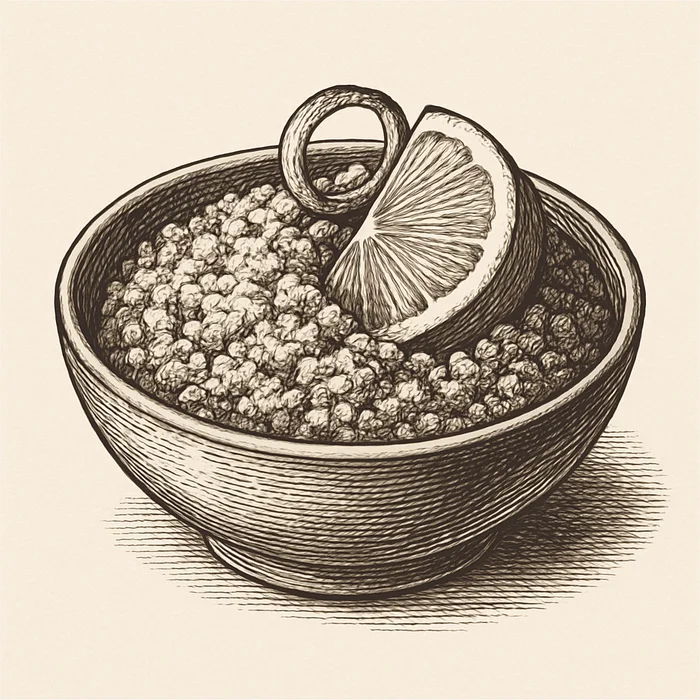
Peruvian Morning Quinoa with Lemon Zest and Honey
In the highlands around Cusco and Puno, quinoa shows up at breakfast long before it shows up in a grain bowl at lunch — simmered soft in milk or water, sweetened with a little honey, and perfumed with cinnamon and citrus peel. It's a smart way to start the day for reasons the Andeans figured out centuries before the nutrition labels caught up: quinoa is the rare plant food carrying all nine essential amino acids in a genuinely complete profile (DIAAS scores rival animal protein), plus around 7 g of mixed soluble and insoluble fiber per 100 g dry, magnesium, iron, and the antioxidant flavonoids quercetin and kaempferol. Pair it with lemon — even just zest and a final squeeze of juice — and you've quietly doubled or tripled the iron you'll actually absorb, because the vitamin C in lemon is the single most potent dietary enhancer of non-heme iron uptake (2–6 fold, per PMID 25048971). The zest adds something the juice can't: d-limonene and hesperidin, lemon's fat-soluble terpene and its anti-inflammatory flavonoid, which mostly live in the peel. The result is a bowl that eats like dessert and metabolizes like a proper breakfast — slow carbs, a solid protein load for a plant dish, and absorbed minerals instead of phytate-bound ones passing through.
Two techniques carry this recipe. First: rinse the quinoa properly — a full 30 seconds under cold water, rubbing the grains between your fingers until the water runs clear. That saponin coat is why unrinsed quinoa tastes like dish soap, and rinsing is also what makes the published research on quinoa's minimal pro-inflammatory effect actually apply to your bowl (PMID 29580532). Second: toast before you simmer. Dry-toast the rinsed, drained quinoa in the pot for two minutes until it smells faintly popcorn-like; this deepens the nuttiness and keeps the grains from going gluey. Then think of the lemon as two ingredients with two timings: fine zest goes in early (it can ride the simmer, the oils bloom into the milk) while juice goes on at the very end, off heat — citric acid curdles dairy and vitamin C degrades with prolonged heat. Zest with a Microplane, not a vegetable peeler, and stop at yellow — the white pith underneath is where the bitterness lives.
Ingredients
- 1 cup (170 g) white or tri-color quinoa
- 2 cups (480 ml) whole milk (dairy or unsweetened oat/almond)
- 1 cup (240 ml) water
- 1 lemon (you'll use all of it: zest + juice)
- 2 tablespoons honey, plus more to taste
- 1 cinnamon stick (or ½ teaspoon ground)
- Pinch of fine sea salt
- ½ cup fresh berries, to serve (blueberries or raspberries work beautifully)
- Optional: a spoonful of toasted sliced almonds or a drizzle of extra-virgin olive oil
Method
- Rinse aggressively. Put the quinoa in a fine-mesh sieve and run cold water over it for 30 seconds, rubbing the grains with your fingertips. Keep going until the water runs completely clear and foam-free. Drain hard — shake the sieve.
- Toast. Set a medium saucepan over medium heat. Add the drained quinoa (no oil) and stir for about 2 minutes, until the grains smell faintly nutty and look dry.
- Zest the lemon now, before juicing. Use a Microplane and go lightly — only the bright yellow surface. Set the zest aside. Halve the lemon and keep it for later.
- Simmer. Add the milk, water, cinnamon stick, salt, and about two-thirds of the lemon zest to the pot. Bring to a gentle boil, then drop the heat to low, cover, and cook for 15 minutes without stirring. The quinoa should absorb most of the liquid and the little white germ rings should have uncurled.
- Rest. Kill the heat, leave the lid on, and let it sit 5 minutes. This finishes the cooking with residual heat and gives you fluffy grains instead of mush.
- Finish off heat. Pull the cinnamon stick. Stir in the honey and the juice of half the lemon (about 1½ tablespoons). Taste — add a little more honey or a few more drops of juice to balance.
- Serve in warm bowls. Top with berries, the reserved lemon zest, and a final whisper of cinnamon. If you're after more satiety and better absorption of the flavonoids, a teaspoon of olive oil or a scatter of toasted almonds on top is classic Andean-meets-Mediterranean.
What Can Go Wrong
- Soapy, bitter quinoa. You didn't rinse long enough. Saponins are the plant's natural pest deterrent and they genuinely taste like detergent. If your rinse water still foams, keep rinsing. Pre-rinsed supermarket quinoa isn't always rinsed enough — give it 30 seconds anyway.
- Mushy porridge. Two usual culprits: stirring during the simmer (which releases starch and breaks the grain structure), or too much liquid and too long a cook. Stick to the 3:1 liquid-to-grain ratio by volume, keep the lid on, and resist peeking.
- Curdled milk. You added lemon juice while the pot was still hot on the burner. Citric acid drops the pH and the milk proteins seize. Always add juice off the heat, after the rest.
- Harsh, bitter lemon flavor. You zested into the pith — that spongy white layer underneath the yellow. Only the colored skin carries the fragrant d-limonene and hesperidin; the pith is pure bitterness. Light, feathery strokes with a Microplane, and rotate the lemon as you go.
- Flat, one-note sweetness. You added all the honey before the acid. Sweet needs tart to read as complex — finish with the lemon juice, taste, then decide if you need more honey. Usually you won't.
- Overcooked zest flavor. If you simmered with all the zest, reserve some fresh zest for the top. The raw zest on the finished bowl is where the citrus aroma really sings — cooked zest mellows into something gentler.