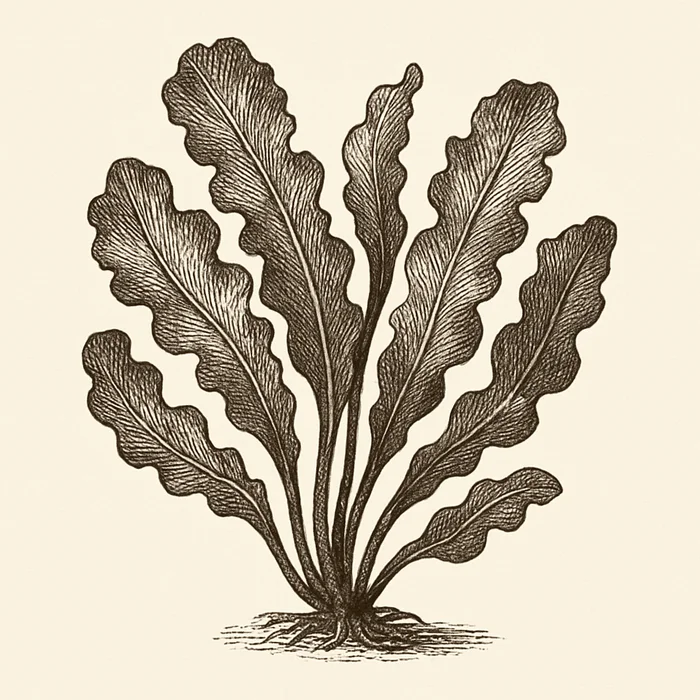
Seaweed
Seaweeds are a traditional staple of the Okinawan diet, associated with extreme longevity, and provide a unique concentration of iodine, iron, and bioactive polysaccharides.
Why It Matters for Longevity
Seaweeds occupy a unique nutritional niche: extraordinarily concentrated mineral sources (especially iodine and iron) combined with bioactive polysaccharides not found in land plants.
Fucoidan from brown seaweed has been shown in cell and animal studies to induce apoptosis and autophagy in cancer cells, with activity confirmed across multiple tumor lines. Hyun et al. (2009) found that fucoidan's antiproliferative activity in human gastric cancer cells involved both apoptosis and the formation of autophagosomes — direct autophagy activation, a key longevity pathway.
Spirulina (a microalgae often grouped with seaweeds) is the top food source of iron at ~28.5 mg/100g dried, and is rich in phycocyanin — a water-soluble antioxidant that inhibits the NF-κB inflammatory pathway. A clinical trial in COPD patients showed spirulina supplementation (500 mg twice daily for 60 days) significantly reduced malondialdehyde, lipid hydroperoxide, and cholesterol while increasing glutathione and vitamin C levels.
Seaweed's association with Okinawan longevity reflects an ancestral dietary pattern; the exact mechanisms are multifactorial, but the combination of iodine, fucoidan, and low caloric density is consistent with longevity biology.
Iodine, Thyroid Function, and the Dose Caution
Seaweed's most pharmacologically active nutrient is iodine, which is essential for thyroid hormone synthesis via the deiodinase enzymes (DIO1, DIO2, DIO3) that convert thyroxine (T4) to the active triiodothyronine (T3). The thyroid requires approximately 150 mcg/day in healthy adults, but iodine content in seaweeds is extraordinarily variable: nori contains roughly 16–43 mcg/100g dried, wakame 40–1000 mcg/100g, and kelp (Laminaria) can exceed 2,984 mcg/100g — well above the tolerable upper intake level of 1,100 mcg/day for adults.
A double-blind, randomized trial by Clark et al. (2003) assigned 36 euthyroid subjects to placebo, low-dose kelp, or high-dose kelp for 4 weeks. TSH increased significantly in both kelp groups (low-dose: p=0.04; high-dose: p=0.002), and total triiodothyronine decreased significantly in the high-dose group (p=0.04), with urinary iodine excretion rising in a dose-dependent manner — demonstrating measurable thyroid axis disruption from over-the-counter kelp supplements even in healthy individuals. Free thyroxine remained within range, suggesting a subclinical shift rather than overt hypothyroidism at these doses, but the directional effect was consistent and statistically significant. Clark et al., 2003, Endocr Pract
A cross-sectional study of 44 habitual seaweed consumers in Norway found median urinary iodine concentrations of 1,200 µg/L (range 370–2,850), far exceeding the WHO's adequacy threshold of 100–299 µg/L. TSH levels in the group were higher than comparable non-seaweed-eating populations, and a pre-post intervention study in 49 habitual consumers showed that stopping seaweed consumption significantly decreased TSH in 34 of 41 participants, with the largest reductions seen in those with the highest baseline iodine intake. Aakre et al., 2020, Nutrients
In clinical practice, the relevant guidance is to prioritize nori and wakame over kelp, and to avoid kelp-based supplements unless supervised. A typical 5g nori sheet provides roughly 25–200 mcg iodine — comfortably within useful range without approaching excess.
Fucoidan and Alginate: Gut and Immune Activity
Beyond iodine, the sulfated polysaccharide fucoidan (4–8 g per 100g dried brown seaweed) has drawn interest for its capacity to activate innate immune signaling, inhibit selectin-mediated cell adhesion, and modulate the gut microbiome. In fermentation studies using human fecal inocula, fucoidan fractions selectively enriched butyrate-producing taxa and generated short-chain fatty acids (acetate, propionate, butyrate), though researchers note that clinical confirmation of these effects requires human intervention trials. Gotteland et al., 2020, Front Nutr
Alginate — the structural polysaccharide making up the cell walls of brown seaweeds — shows prebiotic properties including increased abundance of Bacteroides, Bifidobacterium, and Lactobacillus species in preclinical models, and reduces harmful putrefactive metabolites. Alginate also forms viscous gels in the gut that slow glucose absorption, which may partially explain the blood glucose attenuation observed after seaweed-containing meals. The evidence base is currently more robust for alginate than for fucoidan in terms of consistent fermentation and SCFA output.
Fucoxanthin, the xanthophyll carotenoid that gives brown seaweeds their characteristic color, accumulates selectively in white adipose tissue and has been reported in animal models to upregulate UCP1 (uncoupling protein 1) in mitochondria, increasing thermogenesis and reducing fat accumulation. Human bioavailability data indicate that fucoxanthinol (the primary metabolite) is detectable in plasma after wakame consumption, with bioavailability in humans appearing higher than in rodents. However, the doses associated with metabolic effects in animal studies (~5–10 mg/kg/day of fucoxanthin) have not been reliably replicated in human RCTs at dietary intake levels, so metabolic benefits from typical culinary use remain plausible but unconfirmed.
How to Use It
Pairs well with rice, sesame oil, miso. Use nori sheets for wraps, rehydrate wakame in miso soup, or add dried kelp to dashi stock. Pair with vitamin C sources to enhance absorption of non-heme iron. Consume kelp in moderation due to variable iodine content — excess iodine from kelp can disrupt thyroid function. Nori and wakame are the safest everyday choices; kelp should be treated more like a condiment than a staple.
What to Pair It With
| Ingredient | Why | Tradition |
|---|---|---|
| rice | See synergies | culinary tradition |
| sesame oil | See synergies | culinary tradition |
| miso | See synergies | culinary tradition |
| tofu | See synergies | culinary tradition |
| cucumber | See synergies | culinary tradition |
Synergies
- Lemon Juice (synergy): Vitamin C from lemon significantly enhances absorption of non-heme iron in seaweed/spirulina.
- Sesame Oil (complement): Fat-soluble carotenoids in seaweed are better absorbed with sesame oil's monounsaturated fats.
- Tofu (complement): Traditional pairing in miso soup; together provide complete amino acids, iodine, and calcium.
Flavor Profile
Taste: umami, briny, oceanic, mildly salty. Aroma: marine, oceanic, earthy when dried. Texture: chewy (nori/wakame), slimy when rehydrated, crispy when toasted. Category: sea vegetable.
The Science
- Hyun et al., 2009, J Food Sci: Fucoidan from brown seaweed inhibited human gastric cancer cell proliferation through induction of apoptosis and autophagy (autophagosomes, LC3-I/II conversion, beclin-1 upregulation).
- Ismail & Alattar, 2015, J Food Sci Technol: Spirulina supplementation in COPD patients significantly reduced oxidative stress markers (MDA, lipid hydroperoxide) and improved antioxidant status and lipid profile.
- Clark et al., 2003, Endocr Pract: Double-blind RCT in 36 euthyroid subjects — 4 weeks of kelp supplementation significantly elevated TSH in both low- and high-dose groups; high-dose kelp decreased total T3 (p=0.04), demonstrating dose-dependent thyroid axis disruption.
- Aakre et al., 2020, Nutrients: Cross-sectional study of 44 habitual seaweed consumers in Norway found median urinary iodine of 1,200 µg/L; TSH higher than comparable non-seaweed populations; cessation significantly reduced TSH in 34/41 participants.
- Gotteland et al., 2020, Front Nutr: Systematic review of algal polysaccharides as prebiotics: alginate increases Bacteroides, Bifidobacterium, and Lactobacillus and promotes butyrate production; fucoidan fermentation less consistent; authors recommend human RCTs for clinical confirmation.
References
- Hyun JH, Kim SC, Kang JI, et al. Antiproliferative activity of fucoidan was associated with the induction of apoptosis and autophagy in AGS human gastric cancer cells. J Food Sci. 2009;74(9):H268-74. PMID: 21535865. doi:10.1111/j.1750-3841.2009.01388.x
- Ismail MF, Alattar EM. Effect of spirulina intervention on oxidative stress, antioxidant status, and lipid profile in chronic obstructive pulmonary disease patients. J Food Sci Technol. 2015;52(4):2339-45. PMID: 25685791. doi:10.1007/s13197-014-1293-3
- Clark CD, Bassett B, Burge MR. Effects of kelp supplementation on thyroid function in euthyroid subjects. Endocr Pract. 2003;9(5):363-9. PMID: 14583417. doi:10.4158/EP.9.5.363
- Aakre I, Evensen LT, Kjellevold M, et al. Iodine Status and Thyroid Function in a Group of Seaweed Consumers in Norway. Nutrients. 2020;12(11):3483. PMID: 33202773. doi:10.3390/nu12113483
- Gotteland M, Riveros K, Gasaly N, et al. The Pros and Cons of Using Algal Polysaccharides as Prebiotics. Front Nutr. 2020;7:163. PMID: 33072794. doi:10.3389/fnut.2020.00163
Key Nutrients
| Nutrient | Per 100g | Notes |
|---|---|---|
| Iron (non-heme, spirulina) | 28.5 mg (dried spirulina) | Non-heme iron; pair with vitamin C to enhance absorption ~3-fold |
| Iodine (kelp/nori) | 16–2984 mcg (varies widely by species) | Highly bioavailable; excess iodine (especially from kelp) can disrupt thyroid function |
| Phycocyanin (spirulina) | ~14 g (dried) | Water-soluble antioxidant pigment; inhibits NF-κB inflammatory pathway |
| Fucoidan (brown seaweed) | 4–8 g (dried) | Sulfated polysaccharide; partially absorbed; activates immune and autophagy pathways |
| Fucoxanthin (brown seaweed) | ~0.05–0.1 g (dried wakame) | Xanthophyll carotenoid; detectable in human plasma after wakame intake; UCP1 upregulation shown in animal models |
| Omega-3 ALA | ~0.8 g (nori, dried) | Plant-form omega-3; conversion to EPA/DHA is limited (~5–15%) |