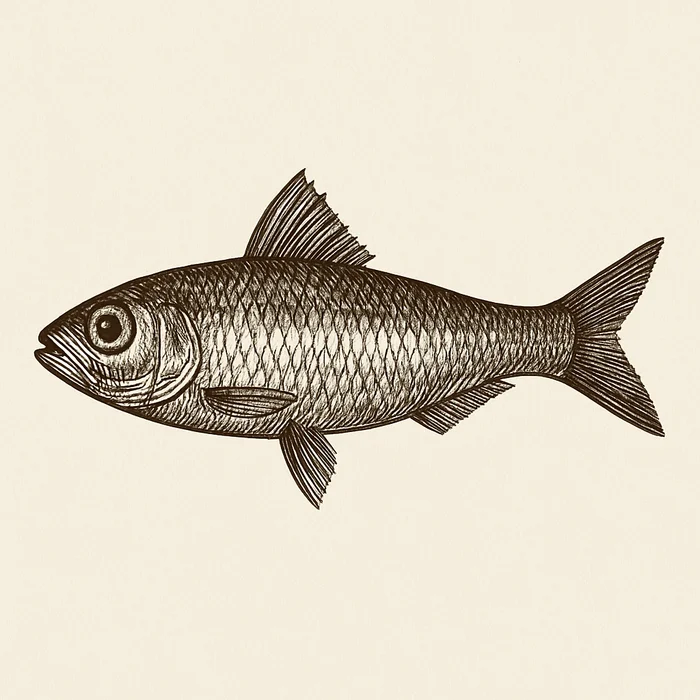
Sardines
Sardines are small pelagic fish that pack an unusually broad nutrient profile into a low-calorie, low-mercury, low-cost package. Eating the whole canned fish — bones and all — delivers bone-building calcium, vitamin D, EPA/DHA, vitamin B12, heme iron, coenzyme Q10, and complete protein simultaneously. That nutrient density ratio is difficult to match in any single other food.
Why It Matters for Longevity
Sardines are recommended in the Longevity Diet as a high omega-3, vitamin D, and vitamin B12 fish. Per 100 g canned (drained, with bones): 1.5 g EPA+DHA, 382 mg calcium, 8.9 mcg vitamin B12, 193 IU vitamin D, 2.9 mg iron, approximately 4 mg coenzyme Q10, and 25 g complete protein. Because sardines are small, short-lived fish at the bottom of the food chain, they accumulate very little methylmercury — the FDA and EPA place them in the "best choice" (lowest mercury) category, safe for consumption multiple times per week.
Cardiovascular and Metabolic Benefits
A randomized pilot trial (Balfegó et al., 2016, Lipids Health Dis) compared a sardine-enriched diet to a standard control diet in drug-naive adults with type 2 diabetes over 6 months. The sardine group showed significant improvements in fasting glucose, serum triglycerides, and HDL cholesterol alongside reductions in inflammatory markers — a multi-pathway cardiovascular benefit attributable to the combined action of EPA/DHA (triglyceride reduction via PPAR-α activation, platelet aggregation suppression), calcium, and phospholipid-bound omega-3s.
A large meta-analysis of 25 prospective cohort studies including over 2 million participants (Jiang et al., 2021, Nutrients) found that each 20 g/day increment in fish consumption was associated with a 4% lower cardiovascular mortality risk (RR 0.96; 95% CI 0.94–0.99), and that marine n-3 PUFA intake specifically reduced CVD mortality risk (RR 0.87; 95% CI 0.85–0.89). A single 100 g serving of sardines provides roughly 1.5 g EPA+DHA — equivalent to the high-end of the dose range at which these protective associations are observed.
Sardines vs. Fish Oil: A Food Matrix Advantage
Whole sardines deliver omega-3s within a food matrix that includes phospholipids, taurine, coenzyme Q10, minerals, and protein — none of which are present in fish oil capsules. This matters for bioavailability and complementary function. A review of the clinical evidence (Santos et al., 2023, Front Nutr) found that consuming 100 g of sardines five days per week for 6 months raised the omega-3 index from 5.3% to 8.0% — a shift from the intermediate-risk into the low-risk zone — while 200 g/week for 12 months raised the index from 6.6% to 7.9%. Equivalent omega-3 index increases from fish oil require doses of 2–4 g/day, and fish oil provides none of the complementary matrix nutrients. The review also noted that phospholipid-bound omega-3s (present in whole fish) are absorbed via a different intestinal pathway than triglyceride-bound omega-3s (in most supplements), with phospholipids showing superior plasma incorporation in head-to-head bioavailability studies.
Bone-in Calcium with Vitamin D Co-Delivery
Canned sardines with bones provide 382 mg calcium per 100 g — approximately 38% of the recommended daily intake — in a matrix that also contains vitamin D (193 IU per 100 g) and phosphorus. The vitamin D present in sardine flesh is fat-soluble and is absorbed alongside the fish's own oil content, making sardines a self-delivering calcium-vitamin D combination. Calcium bioavailability from sardine bones is approximately 30%, comparable to dairy calcium, and vitamin D enhances intestinal calcium absorption via VDR-mediated upregulation of TRPV6 calcium channels. For individuals who consume little or no dairy, bone-in canned sardines represent a practical alternative calcium source.
Vitamin B12 and Methylation
At 8.9 mcg per 100 g, sardines provide more than three times the recommended daily intake (2.4 mcg) of vitamin B12 in a single serving. B12 as methylcobalamin and adenosylcobalamin participates in two enzymatic reactions with direct longevity relevance: the conversion of homocysteine to methionine (with methionine synthase, preventing homocysteine accumulation associated with vascular endothelial damage) and the conversion of methylmalonyl-CoA to succinyl-CoA (entering the TCA cycle for mitochondrial energy production). B12 deficiency is prevalent in older adults due to declining gastric acid production and intrinsic factor secretion — sardines' B12 is present in its bioactive form bound to animal proteins, without requiring gastric processing beyond mild acid.
Coenzyme Q10 and Mitochondrial Function
Sardines contain approximately 4 mg CoQ10 per 100 g, among the higher concentrations found in commonly eaten foods. CoQ10 (ubiquinol form in vivo) functions as an electron carrier in the mitochondrial electron transport chain (Complex I–III), accepting electrons from NADH and FADH₂ and transferring them to cytochrome c. It also acts as a membrane-bound antioxidant, reducing lipid peroxidation. CoQ10 tissue concentrations decline with age; dietary CoQ10 from fatty fish contributes to maintaining mitochondrial efficiency in tissues with high energy demand (cardiac muscle, skeletal muscle, neurons). Being fat-soluble, it is absorbed alongside the sardine's own oil.
How to Use It
Pairs well with tomatoes, lemon, capers, and whole-grain bread. Use as a fatty fish in daily meals according to the Longevity Diet guidelines. Canned sardines in water or olive oil are nutritionally equivalent for omega-3s; olive oil adds polyphenols and calories. Always choose bone-in varieties to capture the calcium benefit. Drain and rinse if reducing sodium.
What to Pair It With
| Ingredient | Why | Tradition |
|---|---|---|
| tomatoes | Lycopene complements omega-3s; acidity brightens flavor | Mediterranean |
| lemon | Vitamin C enhances non-heme iron absorption; brightens briny flavor | culinary tradition |
| capers | Briny polyphenols complement oily fish; classic pairing | culinary tradition |
| whole-grain bread | Fiber slows glucose absorption; B vitamins complement sardine minerals | culinary tradition |
| anchovies | Both small oily fish recommended together in The Longevity Diet; complementary umami | The Longevity Diet |
Synergies
- Anchovies (complement): Both small oily fish recommended together for high omega-3 and low mercury; often used together in pizza toppings in The Longevity Diet
- Lemon Juice (synergy): Vitamin C in lemon enhances non-heme iron absorption from sardines via reduction of Fe³⁺ to Fe²⁺ in the gut
- Olive Oil (synergy): Oleocanthal and oleic acid complement omega-3s with COX-1/COX-2 inhibition; aids absorption of fat-soluble vitamins D and CoQ10 from sardines
Flavor Profile
Taste: savory, briny, umami-rich, slightly oily, robust. Aroma: oceanic, pungent fish, smoky when grilled. Texture: soft, oily, tender flesh, edible bones when canned. Category: small oily fish.
The Science
- Balfegó et al., 2016, Lipids Health Dis: Sardine-enriched diet improved metabolic control, reduced inflammation, and improved lipid profile in type 2 diabetes patients over 6 months.
- Jiang et al., 2021, Nutrients: 25 cohort studies, >2 million participants — each 20 g/day fish increment reduces CVD mortality 4%; marine n-3 PUFA reduces CVD mortality (RR 0.87).
- Santos et al., 2023, Front Nutr: Clinical review — 100 g sardines 5×/week for 6 months raises omega-3 index from 5.3% to 8.0% (intermediate → low risk); food matrix provides bioavailability and nutrient advantages over fish oil.
- Examine.com: Sardines deliver exceptional nutrient density per calorie — whole-bone calcium, heme iron, coenzyme Q10, and complete protein alongside EPA/DHA omega-3s.
- Book claim (Longevity Diet): Sardines recommended as a high omega-3, vitamin D, and vitamin B12 fish; low mercury makes them safe for frequent consumption.
References
- Balfegó M, Canivell S, Hanzu FA, et al. Effects of sardine-enriched diet on metabolic control, inflammation and gut microbiota in drug-naive patients with type 2 diabetes: a pilot randomized trial. Lipids Health Dis. 2016;15:78. PMID: 27090218. doi:10.1186/s12944-016-0245-0
- Jiang L, Wang J, Xiong K, Xu L, Zhang B, Ma A. Intake of Fish and Marine n-3 Polyunsaturated Fatty Acids and Risk of Cardiovascular Disease Mortality: A Meta-Analysis of Prospective Cohort Studies. Nutrients. 2021;13(7):2342. PMID: 34371852. doi:10.3390/nu13072342
- Santos HO, May TL, Bueno AA. Eating more sardines instead of fish oil supplementation: Beyond omega-3 polyunsaturated fatty acids, a matrix of nutrients with cardiovascular benefits. Front Nutr. 2023;10:1107475. PMID: 37143475. doi:10.3389/fnut.2023.1107475
Key Nutrients
| Nutrient | Per 100g | Notes |
|---|---|---|
| EPA + DHA (omega-3) | 1.5 g (canned in oil) | Highly bioavailable marine omega-3s; phospholipid-bound fraction provides superior plasma incorporation vs. ethyl ester supplements |
| Calcium (from bones) | 382 mg (canned with bones) | Bone-derived calcium with ~30% bioavailability; co-present vitamin D enhances uptake via TRPV6 upregulation |
| Vitamin B12 | 8.9 mcg (canned) | Animal-sourced B12 in bioactive form; >3× RDI per 100 g; supports homocysteine-to-methionine conversion |
| Coenzyme Q10 | ~4 mg | Mitochondrial electron carrier and membrane antioxidant; fat-soluble, absorbed with fish oil content |
| Vitamin D | 193 IU (canned) | Fat-soluble; absorbed well with the fish's own oil content; aids calcium absorption |