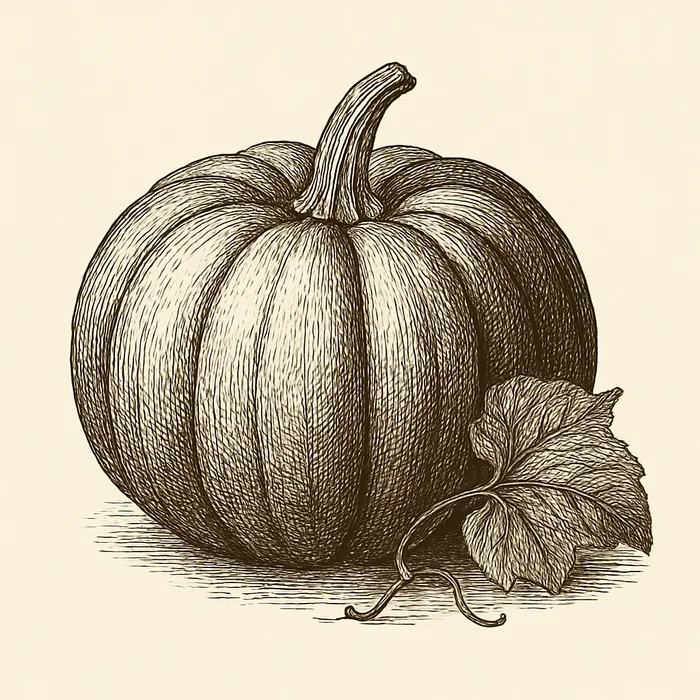
Pumpkin
While most orange vegetables lean on beta-carotene alone, pumpkin delivers alpha-carotene, beta-carotene, lutein, and zeaxanthin together — a broader carotenoid portfolio that provides wider antioxidant coverage and is linked to reduced all-cause mortality in large cohort data.
Why It Matters for Longevity
Pumpkin's longevity profile centers on its carotenoid diversity. Higher serum carotenoids — including the alpha-carotene and beta-carotene abundant in pumpkin — are inversely associated with all-cause and cardiovascular mortality in prospective cohorts, supporting dietary carotenoid intake as a longevity strategy. Its lutein and zeaxanthin protect the retinal macula from oxidative damage, critical for preserving vision with age.
A large cohort study found that higher serum carotenoid levels were significantly and inversely associated with all-cause and cardiovascular mortality, supporting pumpkin's alpha-carotene and beta-carotene content as a longevity mechanism (Zhu et al., 2023, J Am Heart Assoc).
Pumpkin is one of the richest dietary sources of provitamin A carotenoids, and regular consumption is associated with reduced vitamin A deficiency risk; its carotenoid content varies 2–10-fold across cultivars, with deep orange varieties being significantly richer (Buzigi et al., 2022, Crit Rev Food Sci Nutr).
The flesh itself is low in fiber (0.5 g/100 g), but the seeds are a different story at 18 g/100 g. Pumpkin seed oil contains delta-7-sterols which may inhibit DHT production. Deep orange varieties have 2–10x more carotenoids than pale ones.
Beta-Carotene from Food vs. Supplements
A meta-analysis of seven prospective studies — pooling dietary and circulating beta-carotene data — found that the highest dietary intake group had 17% lower all-cause mortality risk (RR 0.83, 95% CI 0.78–0.88), while the highest circulating beta-carotene group had 31% lower risk (RR 0.69, 95% CI 0.59–0.80). No heterogeneity was detected across dietary studies (I² = 1.0%), indicating a consistent, reproducible signal (Zhao et al., 2016, Sci Rep).
This dietary association does not translate to supplements. Randomized controlled trial evidence on beta-carotene supplementation shows no mortality benefit and, at doses above 9.6 mg/day, a statistically significant increase in mortality risk — most likely because the antioxidant mechanism is context-dependent and saturates at physiological doses found in food. The pumpkin case is therefore specifically about whole-food carotenoid intake embedded in a broader dietary pattern.
Lutein and Zeaxanthin: Eye Health at Scale
Pumpkin flesh contains ~1,500 mcg lutein + zeaxanthin per 100 g. These two xanthophyll carotenoids are the dominant pigments in the retinal macula, where they filter short-wavelength blue light and quench singlet oxygen before it can damage photoreceptors. Dietary depletion of lutein and zeaxanthin is one of the modifiable risk factors for age-related macular degeneration (AMD), the leading cause of irreversible vision loss in adults over 60.
A meta-analysis of six longitudinal cohort studies found that higher dietary lutein and zeaxanthin intake was significantly associated with reduced risk of late-stage AMD (RR 0.74, 95% CI 0.57–0.97) and neovascular AMD specifically (RR 0.68, 95% CI 0.51–0.92). Early AMD was not significantly affected, suggesting that intake matters most for preventing progression to advanced disease (Ma et al., 2012, Br J Nutr). Fat co-consumption is essential: lutein and zeaxanthin are fat-soluble, with absorption increasing several-fold when consumed alongside a source of dietary fat.
Pumpkin Seeds: A Different Nutrient Profile
The seeds are compositionally distinct from the flesh. Per 100 g, pumpkin seeds contain roughly 18 g fiber, 30 g protein, and 49 g fat. The oil fraction is dominated by delta-7-phytosterols — a family of sterols structurally similar to cholesterol — which inhibit 5-alpha-reductase activity and modulate the androgen receptor signaling that drives benign prostatic hyperplasia (BPH).
In a randomized, placebo-controlled trial of 1,431 men aged 50–80 with lower urinary tract symptoms (GRANU study, 12 months), pumpkin seed supplementation produced clinically meaningful reductions in International Prostate Symptom Score; 58.5% of men in the pumpkin seed group were classified as treatment responders versus 47.3% in the placebo group (Vahlensieck et al., 2015, Urol Int). This is consistent with the proposed phytosterol and zinc mechanism: seeds are one of the most concentrated whole-food sources of zinc (~7.8 mg/100 g), and zinc accumulates in prostatic tissue where it may inhibit 5-alpha-reductase.
Pumpkin Seeds and Postprandial Blood Glucose
The seeds contribute a glycemic benefit beyond prostate health. In a randomized, single-blind, placebo-controlled crossover trial (n = 15), acute consumption of 65 g of pooled pumpkin seed added to high-carbohydrate mixed meals reduced the postprandial glucose incremental area under the curve (iAUC) by approximately 35% compared with the control condition (p = 0.025) (Cândido et al., 2018, Nutr Res). The proposed mechanism is dual: the seeds' fiber content slows gastric emptying and blunts the glucose absorption rate, while the protein content stimulates insulin secretion and further attenuates the postprandial spike. The trial was acute, not long-term, so the effect should be understood as a single-meal glycemic modulator rather than a treatment for chronic hyperglycemia. Still, for people constructing meals around glycemic control — a relevant concern in longevity contexts given the relationship between postprandial glucose variability and cardiovascular risk — seeds added to a pumpkin-based dish provide a functional glycemic buffer.
Pumpkin Seed Oil vs. Tamsulosin for BPH
A 2021 randomized clinical trial (n = 73, mean age 63.6 years) compared 360 mg pumpkin seed oil twice daily against the standard alpha-1 blocker tamsulosin (0.4 mg nightly) over 3 months in men with BPH-related lower urinary tract symptoms (Zerafatjou et al., 2021, BMC Urol). Both groups recorded significant IPSS reductions. Tamsulosin showed statistically superior efficacy at months 1 and 3 (p = 0.048 and p = 0.020 respectively), though between months 1 and 3 the two groups converged (p = 0.728). The clinically relevant contrast was in adverse events: zero side effects were reported in the pumpkin seed oil group, while tamsulosin produced dizziness (5.9%), retrograde ejaculation (2.9%), and other complaints. This positions pumpkin seed oil as an appropriate first-line option for men with mild-to-moderate IPSS scores who prefer to avoid the sexual side-effect profile of alpha blockers, while accepting somewhat lower efficacy. The phytosterol mechanism in seeds works through inhibition of 5-alpha-reductase — the same enzyme targeted by finasteride — suppressing DHT-driven prostatic smooth muscle proliferation.
How to Use It
Roast wedges with olive oil — fat is essential for carotenoid absorption. Puree into soups with ginger or sage. Add to risotto for a creamy, sweet base. Save and toast the seeds separately for fiber and zinc. Choose deep orange varieties for maximum carotenoid content.
What to Pair It With
| Ingredient | Why | Tradition |
|---|---|---|
| Extra-virgin olive oil | Essential for fat-soluble carotenoid absorption | Mediterranean |
| Sage | Classic Italian pairing (pumpkin ravioli) | Italian |
| Chickpeas | Complementary textures in tagines | North African / Middle Eastern |
| Cinnamon | Warm spice amplifies sweetness; anti-inflammatory | Global |
| Ginger | Anti-inflammatory synergy in soups | Asian / Modern |
| Coconut milk | Fat carrier for carotenoids in curries | Thai / Southeast Asian |
Flavor Profile
Mildly sweet, earthy, nutty, and buttery when roasted. Warm, autumnal aroma. Dense and smooth cooked; creamy when pureed.
The Science
- Zhu et al., 2023, J Am Heart Assoc: Higher serum carotenoid levels significantly and inversely associated with all-cause and cardiovascular mortality — pumpkin's alpha-carotene and beta-carotene content directly supports this mechanism.
- Buzigi et al., 2022, Crit Rev Food Sci Nutr: Pumpkin is a rich source of provitamin A carotenoids; carotenoid content varies 2–10-fold across cultivars, with deep orange varieties significantly richer.
- Zhao et al., 2016, Sci Rep: Meta-analysis of 7 prospective studies — highest dietary beta-carotene intake associated with 17% lower all-cause mortality (RR 0.83, 95% CI 0.78–0.88); circulating levels showed even stronger association (RR 0.69).
- Ma et al., 2012, Br J Nutr: Meta-analysis of 6 cohort studies — highest lutein + zeaxanthin dietary intake associated with 26% lower late AMD risk (RR 0.74) and 32% lower neovascular AMD risk (RR 0.68).
- Vahlensieck et al., 2015, Urol Int: 12-month RCT in 1,431 men — pumpkin seed supplementation produced clinically meaningful IPSS score reductions; 58.5% responder rate vs. 47.3% placebo.
- Cândido et al., 2018, Nutr Res: Randomized crossover RCT — 65 g pumpkin seed added to a high-carbohydrate meal reduced postprandial glucose iAUC by ~35% versus control (p = 0.025); fiber and protein content proposed as dual mechanism.
- Zerafatjou et al., 2021, BMC Urol: 3-month RCT (n = 73) — pumpkin seed oil (360 mg twice daily) produced significant IPSS reductions with zero adverse events, versus tamsulosin's superior efficacy but 5.9% dizziness and 2.9% retrograde ejaculation rate.
References
- Zhu X, Zheng J, Yao J, Qian H, Cao H. Associations of Serum Carotenoids With Risk of All-Cause and Cardiovascular Mortality in Hypertensive Individuals. J Am Heart Assoc. 2023;12(6):e028246. PMID: 36752230. doi:10.1161/JAHA.122.028246
- Buzigi E, Pillay K, Siwela M. Potential of pumpkin to combat vitamin A deficiency during complementary feeding in low- and middle-income countries: barriers and opportunities. Crit Rev Food Sci Nutr. 2022;62(10):2705-2720. PMID: 33683154. doi:10.1080/10408398.2020.1862050
- Zhao LG, Zhang QL, Zheng JL, Li HL, Zhang W, Tang WG, Xiang YB. Dietary, circulating beta-carotene and risk of all-cause mortality: a meta-analysis from prospective studies. Sci Rep. 2016;6:26983. PMID: 27243945. doi:10.1038/srep26983
- Ma L, Dou HL, Wu YQ, Huang YM, Huang YB, Xu XR, Zou ZY, Lin XM. Lutein and zeaxanthin intake and the risk of age-related macular degeneration: a systematic review and meta-analysis. Br J Nutr. 2012;107(3):350-359. PMID: 21899805. doi:10.1017/S0007114511004260
- Vahlensieck W, Theurer C, Pfitzer E, Patz B, Banik N, Engelmann U. Effects of pumpkin seed in men with lower urinary tract symptoms due to benign prostatic hyperplasia in the one-year, randomized, placebo-controlled GRANU study. Urol Int. 2015;94(3):286-295. PMID: 25196580. doi:10.1159/000362903
- Cândido FG, de Oliveira FCE, Lima MFC, Pinto CA, da Silva LL, Martino HSD, Dos Santos MH, Alfenas RCG. Addition of pooled pumpkin seed to mixed meals reduced postprandial glycemia: a randomized placebo-controlled clinical trial. Nutr Res. 2018;56:60-70. PMID: 30055778. doi:10.1016/j.nutres.2018.04.015
- Zerafatjou N, Amirzargar M, Biglarkhani M, Shobeirian F, Zoghi G. Pumpkin seed oil (Cucurbita pepo) versus tamsulosin for benign prostatic hyperplasia symptom relief: a single-blind randomized clinical trial. BMC Urol. 2021;21(1):145. PMID: 34666728. doi:10.1186/s12894-021-00914-2
Key Nutrients
| Nutrient | Per 100g | Notes |
|---|---|---|
| Alpha-carotene | 4,016 mcg | One of the richest dietary sources; serum alpha-carotene inversely linked to mortality in cohort data |
| Beta-carotene | 3,100 mcg | Converted to vitamin A; cooking increases bioavailability; fat essential for absorption |
| Lutein + Zeaxanthin | 1,500 mcg | Protect retinal macula from oxidative damage; RR 0.74 for late AMD in highest intake group; pair with fat |
| Potassium | 340 mg | Supports blood pressure regulation |
| Fiber (seeds) | 18 g/100 g seeds | Flesh is low-fiber; seeds are the fiber source |
| Zinc (seeds) | 7.8 mg/100 g seeds | Accumulates in prostatic tissue; may support phytosterol mechanism for BPH |