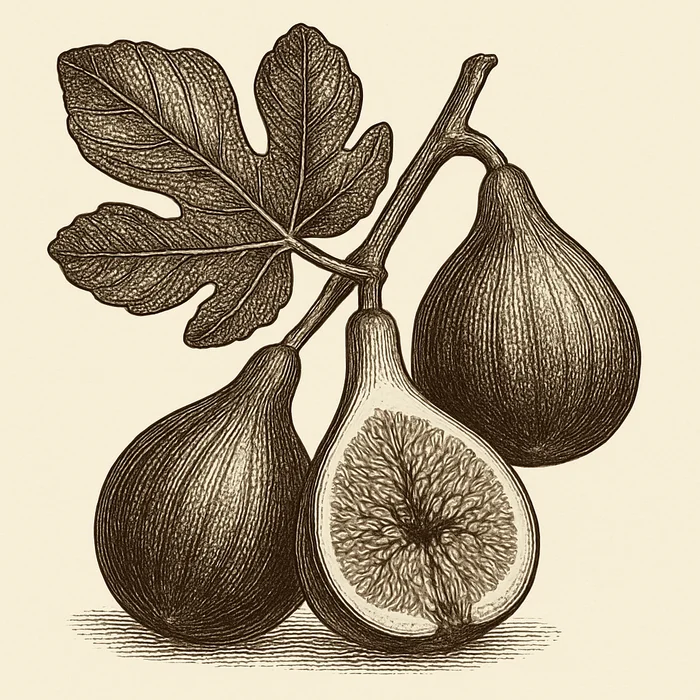
Figs
One of the oldest cultivated fruits and a quiet calcium champion -- dried figs deliver 162 mg per 100 g with bioavailability comparable to milk, making them essential for anyone building bones without dairy.
Why It Matters for Longevity
Fontana flags figs specifically as a dietary calcium source for vegans (Ref 108), and this is their most underappreciated longevity role. At 162 mg calcium per 100 g dried, figs outperform most plant foods. The bioavailability is estimated at 30–40%, roughly comparable to milk calcium, because figs are relatively low in oxalates.
The polyphenol profile of Ficus carica -- particularly gallic acid, catechins, chlorogenic acid, and anthocyanins -- provides substantial antioxidant activity. Chemical analysis of dried Ficus carica fruits confirmed meaningful polyphenol content and demonstrated antioxidant, antimicrobial, and enzyme-inhibitory (acetylcholinesterase, tyrosinase) properties relevant to metabolic and neuroprotective health (Loizzo et al., 2014, J Sci Food Agric).
Dried fruits including figs demonstrate excellent in vitro and in vivo antioxidant activity comparable to or exceeding many fresh fruits on a per-serving basis, supporting their use as year-round sources of antioxidant phytonutrients (Vinson et al., 2005, J Am Coll Nutr).
Polyphenol Chemistry of Figs
The dominant phenolic compounds identified across fresh and dried Ficus carica cultivars are gallic acid, chlorogenic acid, rutin (quercetin-3-O-rutinoside), and epicatechin, with total phenolic content in dried figs ranging from approximately 200–400 mg gallic acid equivalents (GAE) per 100 g depending on cultivar and processing method. Dark-skinned cultivars contain substantially higher anthocyanin concentrations than lighter varieties — comparable in some analyses to blackberries and blueberries. The skin contributes more phenolic compounds than the pulp in all cultivars, and antioxidant capacity correlates directly with phenolic content (Arvaniti et al., 2019, Food Res Int). Chlorogenic acid, one of the key phenolic acids present, inhibits glucose-6-phosphatase and slows intestinal glucose absorption, providing a mechanistic link between fig polyphenols and glycemic modulation.
A 2023 review of literature from 2000–2022 found that regular fig intake in the diet increases select micronutrient intake and is associated with higher overall diet quality. The review identified potential benefits for cardiovascular health, diabetes management, and digestive wellness, and also noted that dark-skinned fig cultivars contain anthocyanins with demonstrated anti-inflammatory properties — mediated through NF-κB inhibition and reduced COX-2 expression in cell and animal models. Human clinical evidence specifically testing fig-derived anthocyanins on inflammation markers remains limited but supports the biological plausibility of the observed associations (Sandhu et al., 2023, Nutrients).
Fiber: Quantity, Quality, and Metabolic Effects
Dried figs contain approximately 9.8 g dietary fiber per 100 g — among the highest of commonly eaten dried fruits — split roughly evenly between soluble (pectin-rich) and insoluble (cellulose and hemicellulose) fractions. The prebiotic soluble fiber in figs supports beneficial gut bacteria, contributing to short-chain fatty acid (SCFA) production that has downstream anti-inflammatory and metabolic effects. The insoluble fraction adds fecal bulk and reduces intestinal transit time.
A randomized crossover trial (n=88, mean age ~56 years) examined the effect of 120 g/day dried California Mission figs consumed for 5 weeks on lipids, mineral status, and dietary displacement. Soluble fiber intake increased significantly during the fig-supplementation phase (12.6 ± 3.7 g/day versus 8.2 ± 4.1 g/day in the usual diet; p<0.0001). Dietary recall data confirmed significantly higher calcium and potassium intake during fig consumption (p<0.05). Body weight did not change despite an additional ~187 kcal/day from figs, suggesting high fiber content contributes to energy compensation. LDL and HDL cholesterol did not change significantly, and total cholesterol showed a modest increase; triglycerides remained stable despite increased sugar intake. The authors noted that elevated VLDL synthesis from higher simple carbohydrates may have counteracted fiber-related lipid benefits, highlighting the importance of how figs are incorporated into the overall diet rather than added on top (Alshaeri et al., 2015, Public Health Nutr).
Calcium, Potassium, and Vascular Function
Dried figs deliver 162 mg calcium and approximately 680 mg potassium per 100 g. The potassium content rivals that of bananas (358 mg/100 g) and dates (~696 mg/100 g dried). Potassium supports blood pressure regulation primarily by promoting urinary sodium excretion and reducing vascular smooth muscle contractility via hyperpolarization of cell membranes. The combination of meaningful calcium and high potassium in a single food is nutritionally relevant for bone and cardiovascular health simultaneously, particularly for individuals on plant-based diets who may underconsume dairy and processed-food sodium simultaneously.
The iron content of dried figs (2.0 mg/100 g) is non-heme, meaning its absorption depends heavily on dietary context. Pairing figs with vitamin C-containing foods (citrus juice, fresh tomato) can increase non-heme iron absorption 2–6x by reducing ferric iron to the more soluble ferrous form before intestinal absorption.
Acetylcholinesterase Inhibition and Neuroprotective Context
The acetylcholinesterase (AChE) inhibitory activity detected in dried Ficus carica extracts is mechanistically notable. AChE breaks down acetylcholine in synaptic clefts; inhibiting it prolongs cholinergic signaling, the same mechanism targeted by pharmaceutical agents used in Alzheimer's disease management. This is an in vitro finding from extract studies rather than clinical evidence from whole fig consumption, but it contributes to the biological plausibility of figs as part of a neuroprotective dietary pattern. The compounds responsible are believed to be gallic acid and epicatechin, both well-characterized in the broader polyphenol literature for CNS-relevant effects.
How to Use It
Three to five dried figs (about 40–60 g) provide meaningful calcium, potassium, and fibre. Chop into oatmeal or yogurt at breakfast. Pair with walnuts or almonds as a traditional Mediterranean dessert. Use fig jam (no added sugar) on whole-grain toast. Fresh figs are best eaten immediately when ripe, halved and drizzled with a little balsamic vinegar or paired with ricotta.
What to Pair It With
| Ingredient | Why | Tradition |
|---|---|---|
| Walnuts / almonds | Complementary mineral profiles; traditional Mediterranean dessert | Mediterranean / Middle Eastern |
| Ricotta / goat cheese | Combined calcium sources; fat aids mineral absorption | Italian |
| Balsamic vinegar | Acidity balances sweetness; polyphenol-rich vinegar adds complexity | Italian |
| Lemon juice / citrus | Vitamin C boosts non-heme iron absorption from figs 2–6x | Mediterranean |
| Yogurt | Double calcium source; probiotics complement fig prebiotic fibre | Mediterranean / Middle Eastern |
Flavor Profile
Fresh figs are honey-sweet and luscious with a jammy, berry-like flavour and soft flesh punctuated by tiny crunchy seeds. The aroma is floral and warm with earthy undertones. Dried figs intensify into chewy, caramel-like sweetness with a mildly musky depth. The skin adds a subtle, pleasant chewiness.
The Science
- Loizzo et al., 2014, J Sci Food Agric: Chemical analysis of dried Ficus carica fruits confirmed polyphenol content including gallic acid, catechins, and chlorogenic acid, with demonstrated antioxidant, antimicrobial, and enzyme-inhibitory activity.
- Vinson et al., 2005, J Am Coll Nutr: Dried fruits including figs demonstrated excellent in vitro and in vivo antioxidant activity, with polyphenol content comparable to or exceeding many fresh fruits per serving.
- Arvaniti et al., 2019, Food Res Int: Review of chemical analysis of fresh and dried figs: gallic acid, chlorogenic acid, rutin, and epicatechin are dominant phenolics; antioxidant capacity correlates directly with total phenolic content; dark cultivars show higher anthocyanin levels comparable to blackberries.
- Sandhu et al., 2023, Nutrients: Review of fig phytochemistry and health benefits (2000–2022): regular intake associated with higher diet quality and micronutrient intake; dark-skinned cultivar anthocyanins demonstrate anti-inflammatory activity via NF-κB inhibition and reduced COX-2 expression.
- Alshaeri et al., 2015, Public Health Nutr: Crossover RCT (n=88): 120 g/day dried figs for 5 weeks significantly increased soluble fiber intake (12.6 vs. 8.2 g/day; p<0.0001) and dietary calcium/potassium; body weight unchanged despite ~187 kcal/day surplus from figs.
References
- Loizzo MR, Bonesi M, Pugliese A, et al. Chemical composition and bioactivity of dried fruits and honey of Ficus carica cultivars Dottato, San Francesco and Citrullara. J Sci Food Agric. 2014;94(11):2179-2189. PMID: 24338976. doi:10.1002/jsfa.6533
- Vinson JA, Zubik L, Bose P, Samman N, Proch J. Dried fruits: excellent in vitro and in vivo antioxidants. J Am Coll Nutr. 2005;24(1):44-50. PMID: 15670984. doi:10.1080/07315724.2005.10719442
- Arvaniti OS, Samaras Y, Gatidou G, Thomaidis NS, Stasinakis AS. Review on fresh and dried figs: Chemical analysis and occurrence of phytochemical compounds, antioxidant capacity and health effects. Food Res Int. 2019;119:244-267. PMID: 30884655. doi:10.1016/j.foodres.2019.01.017
- Sandhu AK, Islam M, Edirisinghe I, Burton-Freeman B. Phytochemical Composition and Health Benefits of Figs (Fresh and Dried): A Review of Literature from 2000 to 2022. Nutrients. 2023;15(11):2623. PMID: 37299587. doi:10.3390/nu15112623
- Alshaeri HK, Natto ZS, Tonstad S, Haddad E, Jaceldo-Siegl K. Effect of dried California Mission figs on mineral status and food replacement. Public Health Nutr. 2015;18(6):1135-1140. PMID: 25156424. doi:10.1017/S1368980014001414
Key Nutrients
| Nutrient | Per 100g (dried) | Notes |
|---|---|---|
| Calcium | 162 mg | Bioavailability ~30–40%, comparable to milk; low oxalate interference |
| Potassium | 680 mg | Rivals dates and bananas; supports blood pressure regulation via urinary Na+ excretion and vascular smooth muscle hyperpolarization |
| Dietary fibre | 9.8 g | Among highest of dried fruits; soluble fraction increases to 12.6 g/day total in controlled RCT diet; seeds add prebiotic bulk |
| Polyphenols | ~200–400 mg GAE | Gallic acid, catechins, chlorogenic acid, rutin; antioxidant capacity correlates directly with phenolic content; dark cultivars add anthocyanins |
| Iron | 2.0 mg | Non-heme; pair with citrus for 2–6x absorption boost |