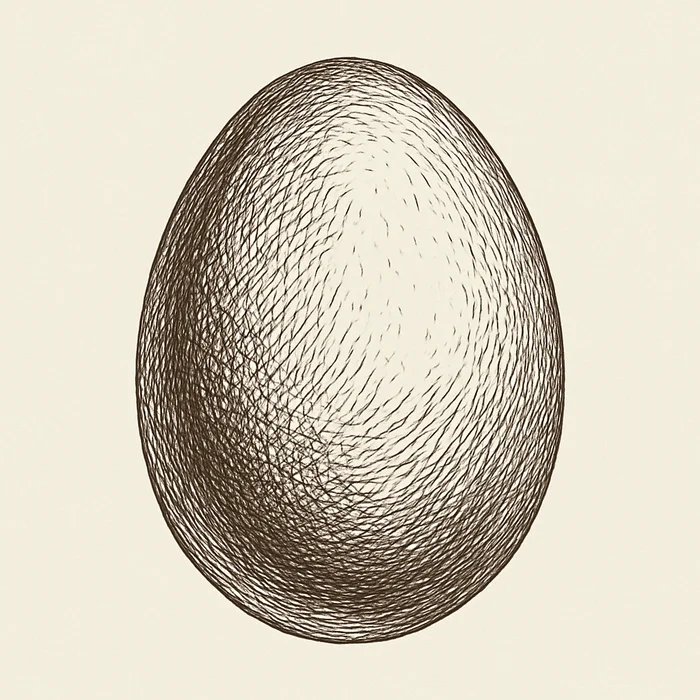
Eggs
Eggs are generally avoided in the Longevity Diet but may be added in small amounts for people over 65 to prevent weight and muscle loss — Emma Morano, the world's oldest person at 117, ate 3 eggs per day.
Why It Matters for Longevity
Eggs are a complete protein containing all essential amino acids, with a high leucine content that stimulates muscle protein synthesis. They provide concentrated choline (primarily in the yolk), B vitamins, vitamin D, and fat-soluble vitamins A and K. The Longevity Diet positions eggs as an exception for adults over 65 at risk of sarcopenia, where the muscle-preservation benefit outweighs concerns about IGF-1 activation.
A dose-response meta-analysis found that egg and dietary cholesterol intake was not significantly associated with all-cause, cardiovascular, or cancer mortality in the general population, supporting the safety of moderate consumption (Darooghegi Mofrad et al., 2022, Front Nutr).
Choline supplementation combined with resistance training preserves lean mass and strength in older adults, directly supporting its role in preventing sarcopenia — the primary reason eggs are included in the Longevity Diet for those over 65 (Lee et al., 2023, Nutrients).
How to Use It
Limit to 2-5 eggs per week if over 65 and losing muscle mass. Prepare hard-boiled, poached, or lightly scrambled with olive oil and vegetables. Avoid frying in saturated fat. The yolk contains the majority of beneficial nutrients — do not discard.
What to Pair It With
| Ingredient | Why | Tradition |
|---|---|---|
| Vegetables | Fat in yolk improves absorption of fat-soluble vitamins (A, K) from vegetables | Mediterranean |
| Extra-virgin olive oil | Preferred cooking fat; provides monounsaturated fats and polyphenols | Mediterranean |
| Legumes | Preferred protein source in the Longevity Diet; eggs are the exception for those over 65 | The Longevity Diet |
Flavor Profile
Rich and savory with neutral aroma when fresh. Whites become firm and opaque with heat; yolk becomes creamy. Cooking method dramatically changes texture from soft-set scrambled to dense hard-boiled. Quality varies enormously with pasture-raising.
The Science
- Darooghegi Mofrad et al., 2022, Front Nutr: Dose-response meta-analysis found egg and dietary cholesterol intake not significantly associated with all-cause, cardiovascular, or cancer mortality.
- Lee et al., 2023, Nutrients: Choline supplementation combined with resistance training improves strength and lean mass in older adults, supporting its role in sarcopenia prevention.
References
- Darooghegi Mofrad M, Namazi N, Larijani B, Mozaffari H. Egg and Dietary Cholesterol Intake and Risk of All-Cause, Cardiovascular, and Cancer Mortality: A Systematic Review and Dose-Response Meta-Analysis of Prospective Cohort Studies. Front Nutr. 2022;9:878979. PMID: 35711545. doi:10.3389/fnut.2022.878979
- Lee CW, Chung T, Kim S, Suk MH, Ha MS. The Effect of Choline and Resistance Training on Strength and Lean Mass in Older Adults. Nutrients. 2023;15(18):3874. PMID: 37764658. doi:10.3390/nu15183874
Key Nutrients
| Nutrient | Per 100g | Notes |
|---|---|---|
| Complete protein | 13 g | Highest PDCAAS among common foods; all essential amino acids including high leucine |
| Choline | 294 mg | Primarily in yolk; supports liver health, neurological function, and muscle mass preservation |
| Vitamin D | 82 IU | Located in yolk; enhanced by pasture-raising |
| Vitamin B12 | 1.1 mcg | Animal-sourced B12; highly bioavailable |