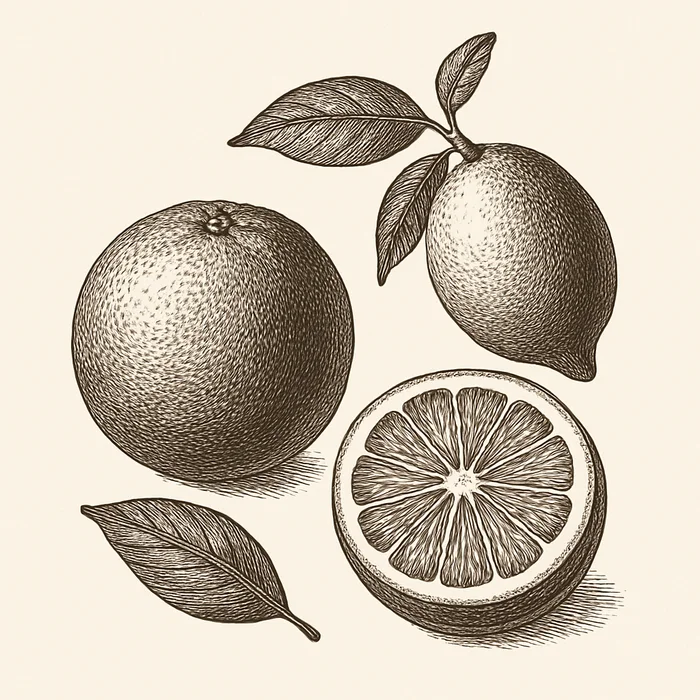
Citrus Fruits
Nature's mineral absorption hack -- squeeze lemon on your lentils and iron uptake jumps 2-6x, while a meta-analysis of 95 studies linked citrus consumption to dose-dependent reductions in cardiovascular disease, stroke, and cancer.
Why It Matters for Longevity
Citrus fruits play a dual role in a longevity diet: they deliver their own protective compounds and they unlock nutrients from everything else on the plate.
The direct benefits start with vitamin C, which Fontana highlights as a key antioxidant that neutralises free radicals and prevents LDL oxidation (Refs 22-24). But the broader citrus story goes well beyond vitamin C. Oranges and grapefruits are rich in flavanones -- hesperidin and naringenin respectively -- that improve endothelial function, reduce blood pressure, and lower inflammatory markers in human trials. Limonene, concentrated in the peel, promotes phase II detoxification enzymes and has shown anti-cancer properties in animal models.
The epidemiological data is consistent. A meta-analysis of 95 prospective studies (Aune et al., 2017, Int J Epidemiol) found fruit and vegetable consumption associated with reduced risk of cardiovascular disease, total cancer, and all-cause mortality in a dose-dependent manner. A prospective cohort study (Cassidy et al., 2012, Stroke) found that higher dietary flavonoid intake -- including flavanones from citrus -- was associated with significantly lower stroke risk in women.
But Fontana's most practical citrus insight is the mineral absorption effect. Vitamin C reduces ferric iron to the more absorbable ferrous form and chelates zinc, making it dramatically more bioavailable. For anyone eating a predominantly plant-based diet -- where non-heme iron is bound by phytates and fibre -- this is not optional, it is essential. A squeeze of lemon on legumes, grains, and greens can multiply iron absorption 2-6x. The book recommends the juice of one lemon daily, specifically with meals containing legumes and vegetables (Refs 101, 102).
One important caveat: whole citrus segments beat juice, just as with other fruits. The fibre, pectin, and food matrix in whole fruit moderate sugar absorption. The pith and membranes that most people discard contain the highest pectin concentrations and meaningful flavanone content.
How to Use It
Squeeze fresh lemon or lime over legumes, salads, and grain dishes at every meal. Eat whole orange segments rather than drinking juice. Use citrus zest liberally -- it concentrates limonene and flavonoids. One lemon's juice daily is Fontana's specific recommendation. Grapefruit is excellent but interacts with many medications (statins, calcium channel blockers) via CYP3A4 inhibition -- check with your doctor if taking prescriptions.
What to Pair It With
| Ingredient | Why | Tradition |
|---|---|---|
| Legumes | Vitamin C multiplies iron absorption 2-6x from beans and lentils | Global |
| Leafy greens | Enhances non-heme iron and zinc uptake from plant greens | Mediterranean |
| Green tea | Vitamin C stabilises catechins, improving EGCG absorption up to 6x | Asian-inspired |
| Olive oil | Fat improves flavanone absorption; classic vinaigrette base | Mediterranean |
| Fish | Acidity brightens flavour; traditional preparation (ceviche, grilled fish) | Mediterranean / Latin American |
Flavor Profile
Sharp and bright with a sour-sweet spectrum that ranges from intensely tart (lemon, lime) to balanced sweet-acid (orange, mandarin) to bitter-sour (grapefruit). The aroma is immediately recognisable -- volatile essential oils from the peel deliver a sharp, fresh, floral lift before you even taste the fruit. Texture is juicy and pulpy, with each juice vesicle bursting individually. The pith adds a pleasant bitterness that rounds out the flavour in whole fruit.
The Science
- Aune et al., 2017, Int J Epidemiol: Meta-analysis of 95 prospective studies — fruit and vegetable intake associated with dose-dependent reductions in CVD, cancer, and all-cause mortality.
- Cassidy et al., 2012, Stroke: Prospective cohort in women — higher dietary flavonoid intake, including citrus flavanones, significantly associated with lower ischaemic stroke risk.
- Vitamin C from citrus dramatically increases iron and zinc absorption from plant foods — a squeeze of lemon on legumes can multiply non-heme iron absorption 2–6x.
References
- Aune D, Giovannucci E, Boffetta P, et al. Fruit and vegetable intake and the risk of cardiovascular disease, total cancer and all-cause mortality — a systematic review and dose-response meta-analysis of prospective studies. Int J Epidemiol. 2017;46(3):1029-1056. PMID: 28338764. doi:10.1093/ije/dyw319
- Cassidy A, Rimm EB, O'Reilly ÉJ, et al. Dietary flavonoids and risk of stroke in women. Stroke. 2012;43(4):946-951. PMID: 22363060. doi:10.1161/STROKEAHA.111.637835
Key Nutrients
| Nutrient | Per 100g | Notes |
|---|---|---|
| Vitamin C | ~30-90 mg | Nearly 100% bioavailable at dietary doses; oranges and lemons ~53 mg |
| Hesperidin | ~20-43 mg (oranges) | Gut bacteria convert to hesperetin; improves vascular function |
| Naringenin | ~10-30 mg (grapefruit) | Caution: inhibits CYP3A4 (drug interactions). Anti-inflammatory |
| Limonene | ~2-5% of peel | Concentrated in zest; promotes detoxification enzymes |
| Pectin | ~1.8-2.4 g fibre | In pith/membranes; fermented to SCFAs by gut bacteria |