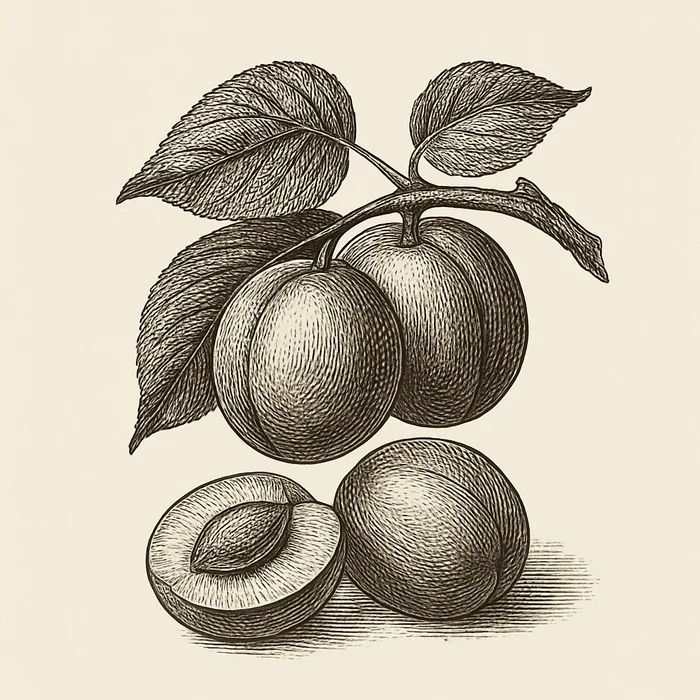
Apricots
Dried apricots are recommended as a dessert in the Longevity Diet -- a concentrated source of provitamin A (beta-carotene), potassium, and prebiotic fibre in a naturally sweet, low-sugar package.
Why It Matters for Longevity
Apricots provide their longevity value primarily through beta-carotene, a fat-soluble carotenoid that converts to vitamin A in the intestine and acts as an antioxidant in its unconverted form. Beta-carotene protects against oxidative damage to lipids and DNA -- two pathways directly implicated in aging and cancer.
Dried apricots have a moderate glycaemic index (~31), dramatically lower than most sweetened snacks, because the fibre (7.3g/100g) and cell-wall structure slow sugar release. The concentrated potassium (1,162 mg per 100g) supports blood pressure regulation and cardiovascular health. A large meta-analysis (Aune et al., 2017, Int J Epidemiol) confirmed dose-dependent associations between fruit consumption and reduced all-cause mortality -- each additional daily serving of fruit associated with ~6% lower mortality risk.
The Longevity Diet pairs dried apricots with walnuts: walnuts' fat dramatically enhances beta-carotene absorption (fat-soluble vitamins require dietary fat for bioavailability), and the protein and fat lower the glycaemic impact of the natural sugars.
Carotenoids and Cardiovascular Mortality: Serum Evidence
The most direct prospective evidence linking apricot-relevant carotenoids to clinical outcomes comes from a Japanese population-based cohort of 3,061 adults followed for 11.9 years. Higher serum levels of alpha-carotene, beta-carotene, and lycopene were each significantly associated with lower hazard ratios for cardiovascular disease mortality across 80 CVD deaths in the cohort. The protective association held after adjustment for age, sex, and other confounders (Ito et al., 2006, J Epidemiol). This is serum carotenoid data -- reflecting habitual dietary intake over months -- rather than supplementation, which is an important distinction. Randomized trials of isolated beta-carotene supplements have not replicated the dietary benefit, and in high-risk smokers supplemental beta-carotene has been associated with increased lung cancer risk. The evidence supports eating carotenoid-rich whole foods, not supplementing individual carotenoids.
Potassium: Stroke and Blood Pressure Reduction
Dried apricots deliver 1,162 mg potassium per 100 g -- nearly a third of the WHO-recommended intake of 3,510 mg/day in a typical serving. A systematic review and meta-analysis of 22 RCTs (n=1,606) and 11 cohort studies (n=127,038) found that increased potassium intake reduced systolic blood pressure by 3.49 mmHg (95% CI 1.82–5.15) and diastolic blood pressure by 1.96 mmHg (95% CI 0.86–3.06), with a 24% lower risk of stroke (RR 0.76; 95% CI 0.66–0.89) in the cohort studies (Aburto et al., 2013, BMJ). The mechanism is renal: potassium promotes sodium excretion via natriuresis, reduces vascular smooth muscle contraction through membrane hyperpolarization, and improves endothelial function. The effect on blood pressure was most pronounced in adults with existing hypertension, but the stroke-risk reduction was observed across populations.
Chlorogenic Acid: Blood Pressure via Nitric Oxide
Fresh apricots contain approximately 150 mg chlorogenic acid per 100 g, placing them among the more concentrated fruit sources of this hydroxycinnamic acid polyphenol. A meta-analysis of 5 RCTs (n=364) found that chlorogenic acid reduced systolic blood pressure by a mean of 4.31 mmHg (95% CI −5.60 to −3.01) and diastolic blood pressure by 3.68 mmHg (95% CI −3.91 to −3.45) (Onakpoya et al., 2015, J Hum Hypertens). The mechanism involves chlorogenic acid metabolites reducing oxidative stress in the arterial vasculature, improving nitric oxide bioavailability, and thereby relaxing endothelial tone. Chlorogenic acid content is substantially lower in dried apricots compared to fresh, as the compound is heat- and light-sensitive, but fresh apricots in season offer this benefit alongside beta-carotene.
Fat Absorption and Bioavailability
Beta-carotene is fat-soluble: without co-ingested dietary fat, intestinal uptake is minimal. Pairing dried apricots with walnuts or almonds (as the Longevity Diet prescribes) increases beta-carotene bioavailability 3–5x compared to consuming the fruit alone. The fat content facilitates incorporation of carotenoids into mixed micelles in the small intestine, enabling uptake by enterocytes via the SR-BI scavenger receptor. This pairing also shifts the meal's glycaemic response: the fat and protein in walnuts delay gastric emptying and blunt the postprandial glucose peak from the fruit's natural sugars.
How to Use It
3–5 dried apricots as dessert, paired with a small handful of walnuts or almonds. Choose unsulphured varieties (darker in colour) to avoid sulphur dioxide preservatives, which destroy thiamine and may trigger reactions in sensitive individuals. Fresh apricots in season are excellent raw or poached; at peak ripeness they require nothing but eating out of hand. When using fresh apricots in cooking, pair with olive oil or nuts to maintain carotenoid bioavailability.
What to Pair It With
| Ingredient | Why | Tradition |
|---|---|---|
| Walnuts | Fat enhances beta-carotene absorption; protein buffers sugar | Longevity Diet |
| Almonds | Complementary minerals; fat improves provitamin A bioavailability | Mediterranean |
| Yogurt | Probiotic supports carotenoid metabolism | Global |
| Rosemary | Aromatic pairing in Moroccan tagines | Moroccan |
| Olive oil | Fat dramatically increases beta-carotene bioavailability | Mediterranean |
Flavor Profile
Sweet, tart, and honeyed when dried -- more concentrated and complex than fresh. Fresh apricots are floral and delicately sweet with a slight tartness. Aroma is fruity, slightly musky, and stone-fruit forward. Texture: chewy and dense when dried, soft and velvety when fresh.
The Science
- Aune et al., 2017, Int J Epidemiol: Meta-analysis of 95 prospective studies -- each additional daily serving of fruit associated with ~6% lower all-cause mortality risk.
- Ito et al., 2006, J Epidemiol: Prospective cohort (n=3,061, 11.9-year follow-up) -- high serum alpha-carotene, beta-carotene, and lycopene each significantly associated with lower cardiovascular disease mortality.
- Aburto et al., 2013, BMJ: Systematic review (22 RCTs, 11 cohorts, n=127,038) -- increased potassium intake reduced systolic BP −3.49 mmHg; 24% lower stroke risk (RR 0.76; 95% CI 0.66–0.89).
- Onakpoya et al., 2015, J Hum Hypertens: Meta-analysis of 5 RCTs (n=364) -- chlorogenic acid reduced systolic BP −4.31 mmHg and diastolic BP −3.68 mmHg; mechanism via improved nitric oxide bioavailability.
- Beta-carotene absorption is fat-dependent: pairing with walnuts or olive oil increases bioavailability 3–5x.
- Glycaemic index of dried apricots ~31 (low); fibre and cell-wall structure slow sugar absorption.
References
- Aune D, Giovannucci E, Boffetta P, et al. Fruit and vegetable intake and the risk of cardiovascular disease, total cancer and all-cause mortality -- a systematic review and dose-response meta-analysis of prospective studies. Int J Epidemiol. 2017;46(3):1029-1056. PMID: 28338764. doi:10.1093/ije/dyw319
- Ito Y, Kurata M, Suzuki K, Hamajima N, Hishida H, Aoki K. Cardiovascular disease mortality and serum carotenoid levels: a Japanese population-based follow-up study. J Epidemiol. 2006;16(4):154-160. PMID: 16837766.
- Aburto NJ, Hanson S, Gutierrez H, Hooper L, Elliott P, Cappuccio FP. Effect of increased potassium intake on cardiovascular risk factors and disease: systematic review and meta-analyses. BMJ. 2013;346:f1378. PMID: 23558164.
- Onakpoya IJ, Spencer EA, Thompson MJ, Heneghan CJ. The effect of chlorogenic acid on blood pressure: a systematic review and meta-analysis of randomized clinical trials. J Hum Hypertens. 2015;29(2):77-81. PMID: 24943289.
Key Nutrients
| Nutrient | Per 100g | Notes |
|---|---|---|
| Beta-carotene (provitamin A) | 2163 mcg (dried) | Fat-soluble; absorption significantly enhanced by co-ingested fat; associated with lower CVD mortality in prospective cohorts |
| Potassium | 1162 mg (dried) | Highly bioavailable; reduces systolic BP −3.49 mmHg and stroke risk 24% per meta-analysis |
| Dietary fibre | 7.3 g (dried) | Soluble and insoluble; supports gut microbiome and slows sugar absorption; underlies GI of ~31 |
| Chlorogenic acid | ~150 mg (fresh) | Anti-inflammatory polyphenol; reduces BP via nitric oxide pathway; largely lost on drying |
| Iron (non-heme) | 2.7 mg (dried) | Pairing with vitamin C significantly improves absorption |